Across cultures and eras, men have used hair enhancements to change their look, regain lost volume, or express a particular identity. Whether prompted by medical necessity, aesthetic choice, performance needs, or convenience, people often ask why do men wear wigs? This article explores the many motivating factors, practical considerations, and modern innovations that explain why hairpieces for men are both common and increasingly accepted in mainstream fashion.
One of the most straightforward answers to why do men wear wigs is medical: illness and treatments can cause temporary or permanent hair loss. Chemotherapy, alopecia areata, scalp injuries, and certain dermatological conditions can lead men to seek full-coverage solutions. For many patients, a well-fitted hair system restores a sense of normalcy and dignity during difficult times. In addition, wigs and partial hair systems provide practical benefits such as warmth, sun protection, and an even scalp surface that helps with the application of topical treatments or sunscreen.
Men facing temporary shedding—seasonal changes, medication side effects, or stress-related loss—may prefer detachable solutions that feel natural but are not permanent. Conversely, those with long-term conditions might invest in bespoke capabilities like custom lace or monofilament bases that are made to last and integrate with their routine. The key difference often answers the implied question: why do men wear wigs? It's about reclaiming appearance now while choosing the right level of commitment.
Not all hairpiece wearers have medical justifications. Style-driven reasons are a major category. Men who want a dramatic transformation—changing color, length, or volume overnight—choose hairpieces to experiment without committing to dye or surgery. Actors, musicians, and influencers use wigs to create personas, period-accurate looks, or stage-ready images. Even within everyday fashion, a hairpiece can be a finishing touch that elevates an outfit and signals confidence. SEO-conscious readers often search why do men wear wigs because they want style tips that are practical and modern.
Just as women have used wigs and extensions for centuries to express style, men do likewise. In subcultures such as drag, costume, and theatrical performance, hair is an instrument of identity. Contemporary men who break gender norms may wear wigs to explore femininity, and men in fashion-forward urban scenes mix textured units with tailored clothing for bold statements. The answer to why do men wear wigs often intersects with personal storytelling and creative risk-taking.
Understanding the diverse taxonomy of hairpieces clarifies many of the reasons people adopt them. Options range from simple clip-in toppers to advanced full-lace or poly base systems. Each type balances realism, breathability, ease of application, and price.
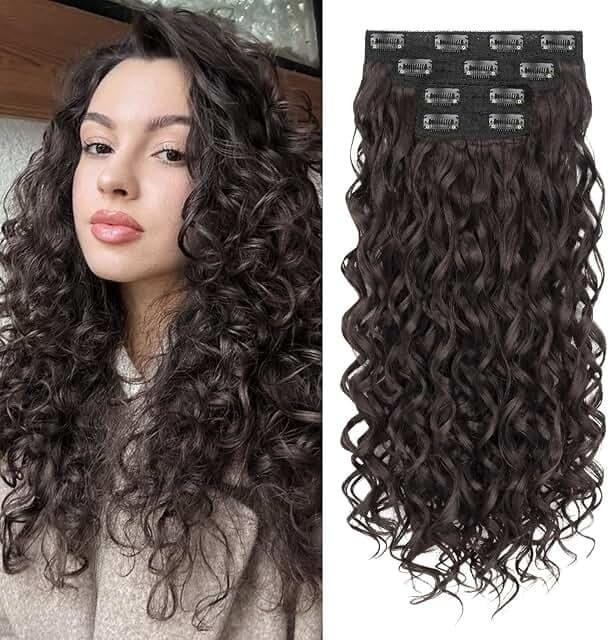
Choice of base matters: lace bases provide natural hairlines; monofilament tops let hair move naturally; polyurethane perimeters allow secure adhesion. These technical differences directly answer why someone might select one solution over another when asking why do men wear wigs.
Comfort and maintenance cycles are decisive. Many men choose wigs because they simplify grooming: a styled unit removes the need for daily styling and saves time. Others prefer the convenience of a removable system that can be washed and restyled at home. Budget is another important dimension; initial investment for a custom human-hair unit can be significant, but so can lifetime costs of repeated salon treatments or expensive surgical options. For readers comparing options, the question why do men wear wigs often resolves into a cost-benefit analysis between permanence, price, and lifestyle fit.
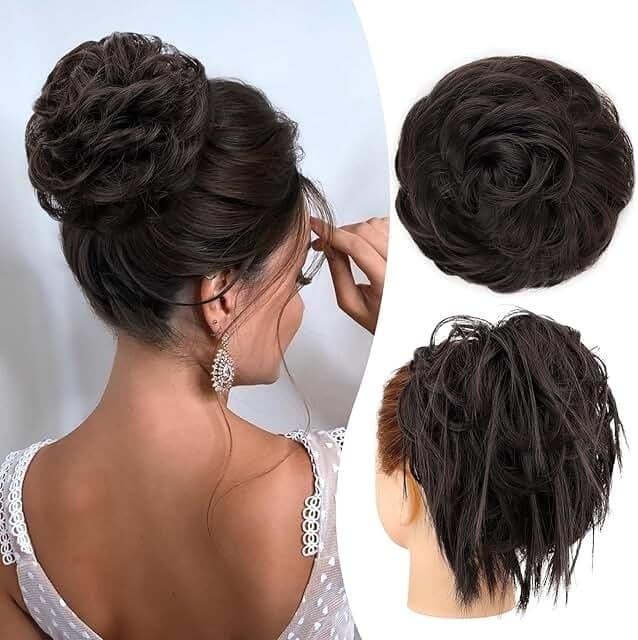
Security is a common concern. Modern adhesives, tapes, and clip systems provide confidence for active lifestyles, swimming, or stage use. A properly fitted base—sized and trimmed by a professional—eliminates many anxieties. Warranties, repair services, and regular maintenance (such as cleaning, fiber conditioning, and reattachment) are part of the long-term calculus for anyone asking why do men wear wigs as a practical solution rather than a daily experiment.
Beyond the physical benefits, hairpieces often affect mental health and self-perception. For men experiencing thinning or visible loss, a quality unit can restore social confidence and reduce anxiety in professional or intimate contexts. Therapists and support groups acknowledge that appearance-related distress is real; access to an effective hair solution can be therapeutic. When people query why do men wear wigs, the emotional dimension—feeling whole, present, and empowered—is frequently the most honest answer.
Historically, wigs have signified status, ritual, and profession. From powdered wigs in judicial and aristocratic circles to culturally specific head coverings, hairpieces reveal social codes. Today’s adoption of male wigs also reflects shifting cultural norms: as male grooming expands, society increasingly accepts cosmetic choice for any gender. The historical backdrop helps modern readers see that the question why do men wear wigs is not new; it has evolved with technology and social values.
When deciding whether to invest in a hairpiece and what kind, consider these factors: realistic density to match age and facial proportions; hairline style (softened or sharp); base type for breathability; attachment method for activity level; and matching hair color and texture. Testing multiple units, consulting skilled stylists, and asking for return policies are practical steps. Frequent searches for why do men wear wigs indicate users want actionable, step-by-step advice—so here it is: try before you buy, prioritize fit, and plan for maintenance.
Men in public roles—teachers, media personalities, and sales professionals—frequently choose hairpieces to maintain a consistent public image. Athletes and performance artists choose secure systems for stage presence. Men undergoing medical recovery find temporary relief and restored dignity. Celebrities have normalized hair enhancements by openly using them, reducing stigma and making the practice more visible. All these real-world examples feed into commonly searched queries like why do men wear wigs, offering tangible scenarios that help others choose.
Advances in materials science, 3D scanning for perfect fittings, and AI-driven color matching have made modern wigs more natural, comfortable, and accessible. Breathable bases and ultra-thin lace create undetectable hairlines; micro-ventilated designs allow long wear without discomfort. As technology progresses, affordability improves and we can expect even broader acceptance. This technical optimism addresses the question why do men wear wigs by highlighting that many barriers—comfort, visibility, stigma—are shrinking.
Some myths persist: that wigs always look fake, are only for dramatic cases, or signal insecurity. In reality, quality units can be indistinguishable from natural hair, and many men use them as one of several grooming tools. Another misconception is that wigs are high-maintenance; while top-tier units require care, many modern synthetic pieces are low-maintenance and remarkably resilient. Clearing up these false beliefs helps readers form realistic expectations when they search why do men wear wigs.
Styling a men’s hairpiece involves core steps: blending the hairline, texturizing to match personal hair, using the right adhesives or clips, and trimming to flatter facial shape. Consult a hairstylist experienced with systems to create a tailored look. Use products designed for the fiber type (synthetic-safe sprays vs. human-hair serums). For daily wear, gentle brushing, proper storage on a stand, and periodic professional adjustments will prolong lifespan and maintain realism.
At a high level, answers to why do men wear wigs fall into four buckets: medical necessity, aesthetic experimentation, practical convenience, and identity expression. Each person’s path is unique, and modern solutions are flexible enough to accommodate a wide range of needs. Whether your interest is cosmetic, medical, or creative, understanding options and working with professionals yields the best result.
Start by identifying the core reason you are considering a unit: coverage, style, or both. Seek clinics or salons with verified experience in male solutions, check reviews, and ask about aftercare. Many suppliers offer online consultations and custom color-matching—use these resources to make an informed decision. If cost is a concern, explore rentals or entry-level synthetic options before committing to custom human hair systems.
For readers who repeatedly Google why do men wear wigs, the practical takeaway is simple: evaluate needs, test options, and prioritize fit and comfort. A confident, well-designed piece can be transformative.
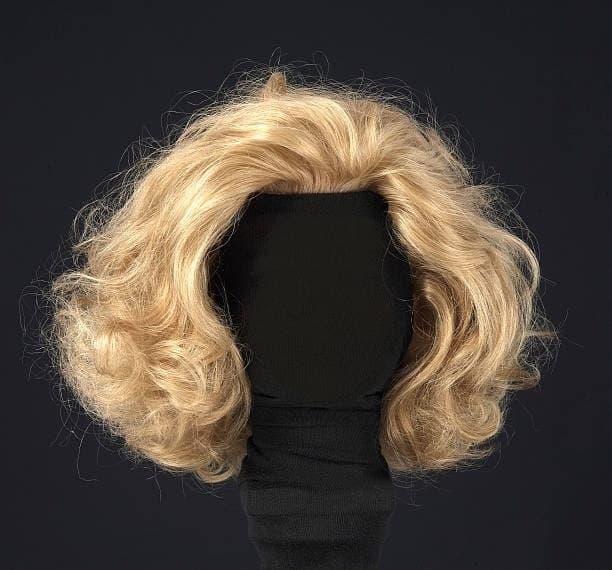
 When fitted correctly and maintained, wigs are safe. Allow the scalp to breathe, follow cleaning schedules, and consult a professional for long-term wear advice.