Short answer: can u dye synthetic wigs? In most cases, traditional salon hair dye will not work on regular synthetic fibers because these fibers are made from plastics such as polyester, acrylic, or kanekalon and they do not take water-based oxidative dyes the way human hair does. However, the question deserves nuance: there are several approaches—some safe, some risky—that can change or tint synthetic hair. This guide examines professional expectations, safe techniques, DIY methods, common pitfalls, and long-term care so you can make an informed decision.
The chemistry behind hair color is important. Permanent and demi-permanent hair dyes are formulated to penetrate the cuticle layer of human hair and oxidize inside the cortex; synthetic fibers lack that structure. When you apply professional permanent dye, you typically get surface staining or no effect at all. Additionally, harsh chemicals can degrade synthetic fibers, causing melting, matting, stiffness, or loss of luster. Because of this, asking can u dye synthetic wigs must be followed by the question: which fiber and which method?
One of the most reliable consumer-level options is polyester-targeted dyes such as iDye Poly or Rit DyeMore (formulated for synthetics). These products are intended for dyeing polyester and nylon and require high heat and careful handling. Typical process: pre-wash the wig, dissolve dye in boiling water, slowly submerge the wig and keep it moving, monitor color development, rinse in cool water until clear, and condition gently. Pros: more permanent than surface stains; consistent results on compatible fibers. Cons: high heat can deform caps and glue; color choices and mixing are limited; may shorten wig life if done repeatedly.
There are industrial pigments and direct dyes made for synthetic textiles that professionals may use. If you have a premium wig, consider sending it to a colorist specializing in synthetics. They often use low-water immersion techniques, temperature control, and colorfast finishes to protect the cap and lace.

These provide surface color and creative options such as ombre or highlights. Alcohol inks and diluted acrylics can be applied with an airbrush, sponge, or brush. Pros: great for custom effects, no extreme heat needed. Cons: surface application can feel stiff, and durability varies; repeated washing may fade or flake.
Quick fix solutions include fabric markers, temporary color sprays, and color-depositing products. They’re ideal for cosplay or one-off events. They are low commitment but tend to wash out quickly.
Bleaching to lighten synthetic fiber is generally not recommended. Chemical bleaches designed for human hair work by stripping natural pigment from protein-based fibers; they will not work effectively on plastics and will often damage the fiber irreversibly. If you want a much lighter base, buy a wig in the lighter shade or consult the manufacturer.
You can mimic these effects without full immersion: use an airbrush with textile dye for synthetics for gradual blending; dilute alcohol inks and spray in layers for seamless transitions; or use soft-colored markers and blend sections with a wide-tooth brush. When crafting highlights, always start lighter and add depth gradually because it’s harder to lift color from synthetic fibers.
If the wig is expensive, vintage, or integral to a brand identity or performance, consult professionals who specialize in wig dyeing. They have access to textile dyes, vacuum dye machines, and color-correcting finishes that significantly reduce risks. Professionals can also advise about the wig’s fiber composition and whether custom coloring is advisable.

After you color, maintenance matters: use sulfate-free, silicone-free shampoos and conditioners designed for synthetic hair or gently for colored textiles; wash infrequently; detangle with a wide-tooth comb; store away from sunlight to reduce fading; and avoid heat unless the fiber is heat-friendly. If you used a surface application, use a light sealer spray to minimize color transfer.
Outcomes range widely depending on method: immersion with polymer dye can be relatively permanent (months to years with careful care) while surface methods like sprays and airbrushing may fade within a few washes or days. Remember to perform wash tests and lightfastness checks on a hidden sample before applying a technique to the whole wig.
Dyeing at home with consumer dyes can be inexpensive, but potential mistakes that ruin a wig could be costly. Professional services are more expensive but worth it for valuable pieces. Weigh the wig’s purchase price, sentimental or brand value, and the cost of replacement when deciding.
Myth: "Any dye works if you leave it longer." Reality: time does not help dyes formulated for hair bond to plastics; increased time often increases fiber damage. Myth: "You can bleach synthetics to go lighter." Reality: bleaching agents designed for protein fibers don't reliably remove pigment from plastics and will often ruin texture.
Dispose of dye baths according to local chemical waste guidelines. Avoid pouring concentrated dye down household drains. Use gloves and eye protection and keep pets and children away during processing.
If you want a temporary color for a night or event, use sprays, chalks, or markers. If you want more permanent color and the wig is polyester or heat-resistant, consider professional polymer dyeing or carefully executed immersion with a polyester dye kit. If the wig is cheap and replaceable, experimenting at home carries less risk—still, perform patch tests.
Many cosplayers achieve pastel or vibrant looks using alcohol inks and airbrushes, finishing with a fabric sealant. Wigs dyed in iDye Poly baths have held color for months when rinsed correctly and cared for, whereas acrylic paint airbrushes provided excellent color but required flexibilizing agents to prevent stiffness. High-sheen fashion fibers sometimes rejected surface pigments, producing a faded or metallic cast rather than true saturation.
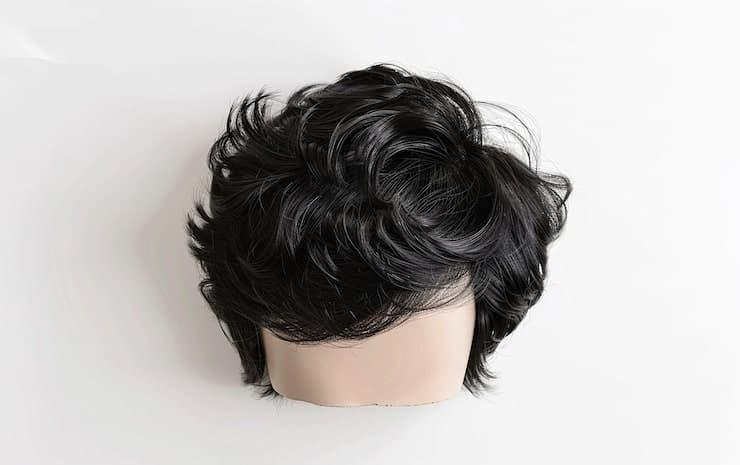
Answering the central question can u dye synthetic wigs: yes, but with qualifications. Success depends on fiber composition, the dyeing method, and your tolerance for risk. Prioritize testing, start with temporary methods if unsure, and seek pro help for expensive or beloved pieces. When in doubt, purchase the color you want or use non-destructive alternatives.
If you plan to experiment, start small, document your steps, and treat each wig as an individual project—what works for one fiber or brand may not work for another. Good luck and color safely!