If you want a believable, camera-ready, long-lasting result, learning how to maintain and style a honey blonde wig lace front is essential. Whether you're new to wigs or you already own several custom pieces, this guide covers practical, expert-backed methods for creating a natural hairline, protecting delicate fibers, and optimizing the lifespan of your lace front investment. The tips below balance technical steps with easy daily habits so that your honey blonde wig lace front always looks soft, full, and lifelike.
Start by appreciating the anatomy of a lace front wig. The thin lace along the front mimics the scalp where individual hairs are ventilated (knotted) into the lace. This creates an ultra-natural hairline when applied correctly. For a realistic motion and appearance: select lace that matches your skin tone, choose an appropriate cap size, and pick the right density. A medium density avoids an overly bulky look while maintaining fullness for styling versatility. A professional or well-instructed DIY customization of the hairline is the key to transforming a manufactured piece into something bespoke and natural.
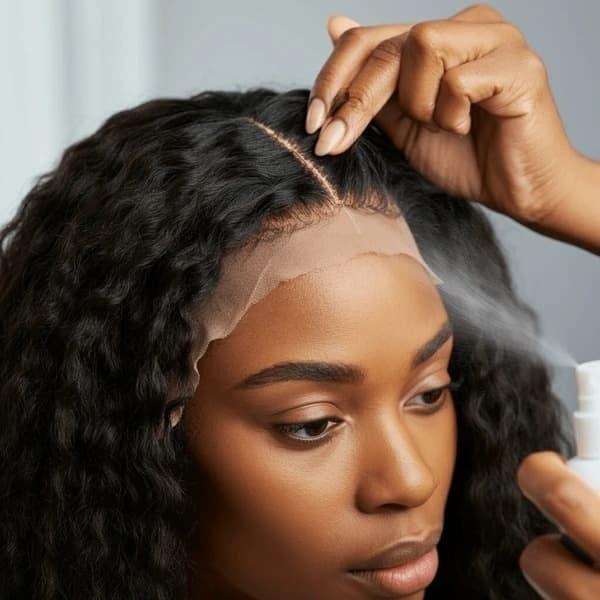
Styling a honey blonde wig lace front to look natural involves the following ritual: secure, blend, smooth, and finish. Start by prepping the scalp or wig cap to create a flat base; if you use tape or glue, ensure the scalp is oil-free. When applying the lace, press down gently and melt the lace into your skin with a low-heat tool or with a concealer matched to your skin tone along the part to make the scalp illusion convincing.
Choose adhesives based on intended wear time. For daily removal, a strong double-sided tape is safe and efficient; for extended wear, use medical-grade glue applied in a thin layer. Remove adhesives with an appropriate remover to avoid damage to both lace and skin. Always follow manufacturer guidance and test adhesives on a small skin patch to check for sensitivity.
Use concealer or foundation that matches your scalp within the part line to create depth. A mousse or light styling gel can keep baby hairs and flyaways in place. For additional realism, add a few fine baby hairs along the hairline with a razor or special blade, then style them with gel or wax for a delicate, lived-in look.
Most high-quality human hair lace front wigs tolerate heat, but it's essential to follow temperature guidelines. For heat-safe synthetic or human hair wigs, keep your flat iron or curling wand to medium heat and always apply a heat protectant. For a honey blonde palette: preserve luminosity by using purple or violet toning products sparingly to neutralize brassiness, and always use color-safe, sulfate-free shampoos and nourishing conditioners. Deep-conditioning masks (formulated for color-treated hair) help maintain softness and reduce breakage.
Washing frequency depends on wear patterns: weekly for daily wearers, biweekly to monthly for occasional use. When cleaning, follow these steps: gently detangle from ends to roots, immerse in lukewarm water with a mild shampoo, move the wig gently—do not rub or twist—rinse thoroughly, apply a richly moisturizing conditioner and leave for a few minutes, rinse with cool water, and blot with a microfiber towel to remove excess water. Avoid wringing. If you wish to maintain wave patterns, apply a leave-in conditioner and scrunch. Always let the wig air dry on a mannequin head or stand to preserve shape and avoid cap distortion.
Start from the ends and work up in short, patient strokes. Use wide-tooth combs for wet hair and a high-quality paddle brush or a loop brush for dry styling. Brushing too aggressively causes shedding and reduces the lace's life expectancy. For curly or wavy honey blonde wig lace front styles, detangle while damp with a conditioning spray and finger-comb to keep the curl pattern intact.
When not wearing your wig, store it on a head stand or mannequin to maintain its shape. For travel, use a protective case and gently wrap the hair in a silk or satin scarf. At night, if you sleep in your wig, tie it loosely in a low bun or braid and sleep on a silk pillowcase to reduce friction. Heat and humidity can cause adhesive failure; keep your wig in a cool, dry place away from sunlight when stored long-term.
A well-selected honey blonde wig lace front is a styling playground. Try these looks: soft beach waves with a barrel wand, a sleek low ponytail with wrapped elastic, a half-up top knot that shows off the natural hairline, or a deep side part to emphasize face framing. Use light-hold sprays and non-sticky serums to keep hold without weighing the hair down. For an updo, make sure the base is secure with wig tape and style edges carefully to maintain the illusion of natural growth.
To increase realism, add a subtle root shadow with a root-stroking powder or a semi-permanent dye technique that leaves a soft depth at the lace root area. Root shadowing reduces the "worn-on" look and increases the perception of new growth, especially useful for honey blonde shades which can look flat without dimension.

Even with excellent care, lace and cap components will age. Consider professional re-lacing or partial re-ventilating every 12–24 months for frequent wearers. A skilled technician can replace lace sections, tighten the cap, and refresh hair placement to give your wig a second life.

Before wearing your honey blonde wig lace front out, run through this quick checklist: matching lace to skin, trimmed lace and plucked hairline, secure adhesive application, blended part with concealer, and a final mist of light-hold spray. Take photos under different lighting to confirm how the shade reads in sunlight and indoor light—this helps you decide if tone adjustments are necessary.
For stylists: invest in fine ventilation tools and practice micro-plucking to preserve density while creating a believable hairline. For enthusiasts: learn to create micro-baby hairs and slightly uneven parting—perfection often looks unnatural. When customizing bleach or toner, always prioritize hair integrity: better a slightly warmer shade than damaged, brittle strands. When injecting personality into a honey blonde wig lace front, small asymmetries and subtle frizz at the root are signs of realism, not flaws.
Rotate leave-in treatments: use hydrating masks monthly and protein recovery treatments quarterly. If you expose the wig to pool or beach, rinse immediately with freshwater and follow with a deep condition. If knots start lifting, minimal re-knotting by hand or sealing with an appropriate sealant helps avoid further shedding.
Density impacts perceived volume and weight. For round faces, choose medium density with long layers to elongate the face. Oval faces can carry denser looks, while delicate features may benefit from softer density and loose, face-framing layers. Experiment with center, side, and deep-part styles using a light concealer in the part for added scalp realism.
When investing in a premium honey blonde wig lace front, inquire about sourcing practices and whether hair was ethically collected. High-quality ethical sourcing often correlates with long-term durability, better fiber integrity, and a more sustainable industry overall.
To keep your honey blonde wig lace front looking its best, blend careful initial customization, sensible washing and styling routines, and periodic professional maintenance. Small details—like matching lace to skin, gentle detangling, moderate heat use, and correct adhesive handling—deliver outsized impact. With the right habits, your lace front will continue to look soft, natural, and fresh for months or even years.
FAQ:
