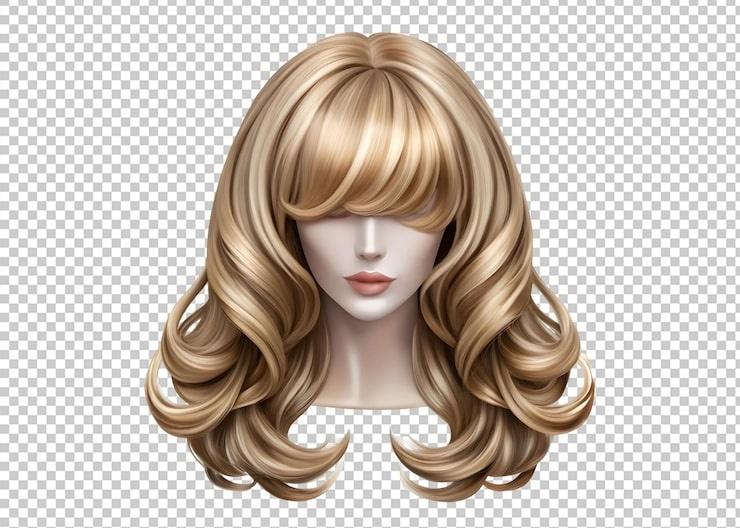
If you're exploring options for a polished, natural look, one of the most flattering choices is a wig that combines authentic texture and versatility: human hair wigs with bangs. This long-form guide dives into the why, how, and what to consider when selecting, styling, and maintaining human-hair fringe styles. Whether you want a soft curtain, blunt micro bangs, or wispy side-swept fringe, a real-hair wig gives you the most realistic movement and the best styling flexibility compared to synthetic alternatives.
Real-hair pieces are prized because they can be heat-styled, colored, and cut like natural hair. When searching for human hair wigs with bangs , you prioritize authenticity: individual strands that reflect light naturally, tactile softness, and the ability to change the look over time. The fringe element frames the face, can soften features, and adds style dimension without permanent changes to your natural hair.
There are several constructions to consider when choosing human hair wigs with bangs. Each offers different levels of realism, comfort, and styling potential:
Fit is crucial. A well-fitted cap keeps the bangs laying naturally and prevents slippage. If prone to heat, prioritize breathable caps or ventilated lace to reduce sweat and protect hair integrity.
One of the prime advantages of human hair wigs with bangs is the ability to use heat tools and professional styling methods. Below are step-by-step tips to create polished looks and maintain healthy strand condition.
Essential tools: a wide-tooth comb, fine-tooth tail comb, quality blow dryer with nozzle, round brushes (various diameters), flat iron with precise temperature control, heat-protectant spray, lightweight styling cream, and flexible-hold hairspray. Before applying heat, always detangle gently from ends up to avoid breakage.
For curtain or long side bangs, a round brush blowout gives movement: start with damp hair, apply heat protectant, use medium heat and a medium brush to lift at the roots and curl ends under slightly. Finish with a cool-shot to lock shape.
Set the flat iron to a lower temperature (250–320°F / 120–160°C) for 100% human hair that has been dyed or processed; higher temps only when hair is virgin and heat-tolerant. For blunt bangs, glide slowly and keep plates parallel. For wispy texture, twist small sections slightly as you glide the iron to create soft bends.
Light layering across the fringe can prevent a heavy, helmet-like look. If unsure about cutting bangs on a full wig, seek a professional wig stylist or request a stylist-installed tweak from the vendor. If cutting at home, always cut conservatively—start longer and trim gradually.
Human strands accept color treatments similarly to natural hair, which means human hair wigs with bangs can be dyed, highlighted, or toned. However, take precautions: color processed wigs should be handled by a professional colorist experienced with wigs. Balayage or subtle root shading enhances realism and reduces the visual contrast between lace base and hairline.
For lace front pieces, consider root shading and lightly bleached knots for an invisible appearance at the hairline. Such customizations significantly elevate realism, especially for close-up photos or on-camera wear.
Maintaining the health of human-hair strands on a wig is the difference between a fresh look and a frizzy, worn-out appearance. Use sulfate-free shampoos, protein-balanced conditioners, and occasional deep-conditioning masks. Aim to wash only when necessary: frequent washing strips natural oils and shortens lifespan.
Use a detangling spray and a wide-tooth comb. Lightweight oils (argan, camellia) can add shine to ends but use sparingly around the bangs to prevent limpness. Avoid heavy waxes near the hairline to maintain a natural movement.
Store wigs on stands or mannequins to preserve shape, especially for pieces styled with specific bang contours. For travel, use a padded wig case, and tuck the bangs under a soft satin scarf to protect them from flattening.
When shopping, consider four primary factors: lace quality, hair density, cap construction, and return policies. Vendors that provide multiple photos, videos of the lace hairline, and clear density measurements help set realistic expectations. Popular densities for natural-looking bangs hover between 120% and 180%, depending on the desired fullness.
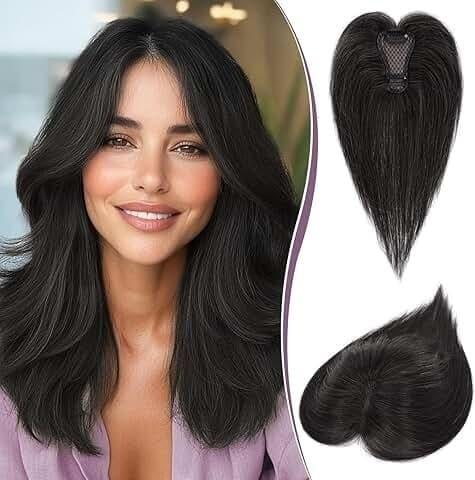
Higher investment often yields superior strand selection (Remy hair), better lace, and professional pre-styling. If budget is a constraint, prioritize lace front and Remy or unprocessed hair over ultra-low-cost options that may tangle or shed aggressively.
Keeping human hair wigs with bangs pristine means a maintenance routine: light conditioning every 3–4 wears, deep treatment monthly, and refresh styling as needed. For daily users, rotate two wigs to reduce wear on a single piece and extend overall lifespan.
Signs a wig needs professional re-style or replacement include excessive shedding, persistent matting at the nape, or lace deterioration. High-quality human-hair wigs with thoughtful care can remain beautiful for a year or longer; aggressive wear may shorten this timeframe.
Bangs can transform face proportions. Soft side-swept bangs and curtain fringe flatter round faces by creating the illusion of length; blunt bangs or micro bangs accentuate bone structure on oval or heart-shaped faces. Tailor the fringe density and length to suit your desired balance—consult a stylist if uncertain.
Draw inspiration from icons who often sport fringe variations: face-framing curtain bangs reminiscent of 70s silhouettes, glam blunt fringe for a modern editorial vibe, or feathered wisps for a relaxed everyday aesthetic.
When curating a shortlist of options for human hair wigs with bangs, evaluate: lace transparency, hair origin (Remy vs mixed), density measurements, available customization services, and clear return policies. Fit and comfort features like adjustable straps and breathable ear tabs improve everyday wearability.
| Feature | Why It Matters |
|---|---|
| Type of Lace | Determines hairline realism |
| Hair Origin | Impacts styling longevity and texture |
| Density | Affects how heavy/realistic bangs appear |
| Cap Construction | Comfort and parting options |
For those who enjoy DIY, small trims and subtle layering can be done at home, but major reshaping, bleaching lace knots, or creative color blends are best left to professionals. If the vendor offers pre-cut bang services, this can remove risk and deliver a ready-to-wear finish.
Use sharp hairdressing scissors, section the fringe into small vertical slices, and point-cut for softness rather than cutting straight across. Trim with the wig on a mannequin head for better perspective on length and fall.
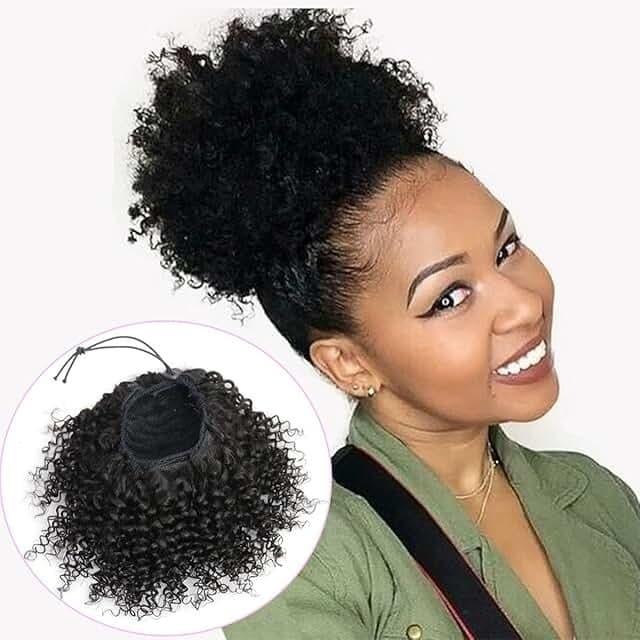
Consider brands with ethical sourcing practices. Remy hair collected humanely and vendors transparent about sourcing often yield higher quality and fairer labor practices. This matters when investing in a long-term piece like a prioritized-cornerstone wig with bangs.
For events, book a stylist who understands wig styling: they can shape the bangs, blend the hairline with subtle adhesives, and create flexible updos that accommodate fringe without flattening it. For photoshoots, ensure lighting tests to verify natural-looking shadows and highlights around the bangs.
Choosing and maintaining human hair wigs with bangs marries artistry with care: the right selection and routine will keep a piece looking natural, bouncy, and flattering for months. From lace choices to cut techniques and conditioning strategies, a little knowledge goes a long way in preserving beauty and maximizing styling potential.
Rotate, protect, and hydrate: alternating wigs, using silk-lined storage, and deep-conditioning occasionally preserves texture and minimizes tangling in the fringe.
With thoughtful selection, careful maintenance, and occasional professional attention, the versatility and realism of human hair wigs with bangs make them a compelling choice for anyone seeking a transformative yet manageable look that feels and behaves like natural hair.