Understanding what are the different types of wig caps and why cap choice matters
Choosing the right cap is as important as selecting hair color, cut, or fiber. For anyone exploring wigs—whether you are new to wigs, seeking a more natural look, coping with hair loss, or a stylist looking to recommend options—knowing what are the different types of wig caps provides a foundation for comfort, realism, and longevity. This detailed, practical guide dissects construction, pros and cons, suitability for various lifestyles, and actionable tips on how to pick the best cap for your unique needs. Expect clear comparisons, maintenance advice, and decision-making checkpoints so you can quickly match a cap type to priorities like breathability, realistic parting, heat styling compatibility, budget, and secure fit.
Why cap structure changes everything
When someone asks what are the different types of wig caps, they are really asking how the base of a wig will influence look, movement, and comfort. The cap determines how hair seems to grow from the scalp, how easily you can style or part the hair, how it sits against your head, and how well it breathes. Key factors to consider include ventilation, hairline realism, parting options, weight, and how the cap is attached or secured. Below we examine each popular cap type and offer real-world guidance about who will benefit most from each.
Common cap constructions explained
The industry uses a variety of construction terms. Knowing them helps you compare features and read product descriptions accurately:
- Lace front: A sheer lace at the front creates a delicate, undetectable hairline; great for off-the-face styling and natural-looking parting near the forehead.
- Full lace: The entire cap is made of lace, allowing versatile parting and realistic scalp appearance across the whole head; ideal for complex updos and deep parting.
- Monofilament: A soft, breathable mesh—often placed at the crown or parting area—creates the illusion of hair growing from the scalp because each hair is hand-tied to the mesh.
- Hand-tied: Each hair is individually knotted into the cap, producing natural movement and excellent comfort; often found in premium wigs with lightweight feel.
- Machine-made / Wefted: Rows of hair are machine sewn into the cap (wefts). These caps are typically more affordable, durable, and have increased volume but can be less natural at the hairline and part.
- Capless: A variation of wefted caps with open wefts for maximum breathability; good for hot climates and those seeking lighter weight.
- Silk top (or silk base): A silk-like layer (often a polyurethane or silk fabric) conceals knots to mimic a scalp; offers a very realistic part and less visible knots than lace.
- Polyurethane (PU) / Anti-slip bases: Smooth and sometimes skin-like strips at the perimeter provide grip for adhesives and create a seamless look but can reduce breathability.
- Open weft: Similar to capless; provides cooling air flow, making these wigs suited for extended wear.
Specialty caps
Beyond the common types, speciality caps address medical needs, petite or large sizes, and specific aesthetic goals:
- Children’s caps scaled down for smaller heads.
- Medical/oncology caps built for sensitive scalps, often with softer materials and minimal seams.
- Glueless caps with adjustable straps, silicone strips, and combs for secure wear without adhesives.
- Hybrid caps that combine lace front with monofilament crown for a mix of realism and durability.
Detailed pros and cons: matching cap features to lifestyle
To answer the practical side of what are the different types of wig caps, here are scenario-based recommendations:
- Everyday comfort and breathability — Capless or open wefted constructions. Pros: lightweight, cool, budget-friendly. Cons: visible wefts can show under thin hair and less realistic hairline.
- Maximum realism for natural hairline and parting — Lace front or full lace and silk top. Pros: undetectable hairline, versatile styling. Cons: higher cost, more delicate care, needs careful handling when washing and styling.
- Natural movement and scalp illusion — Monofilament or hand-tied caps. Pros: soft parting effect, less bulk, comfortable against sensitive scalps. Cons: usually more expensive and can be delicate.
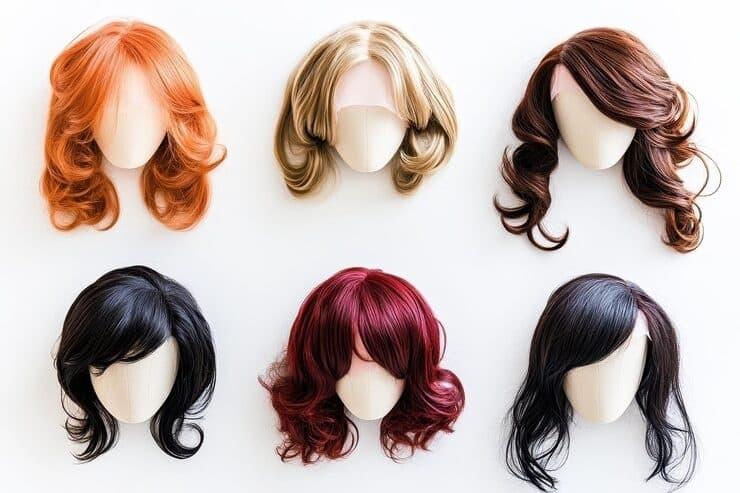
- Styling and heat tolerance — Check fiber type first (human hair vs heat-friendly synthetic); cap type like full lace or monofilament supports creative parting but choose heat-safe fibers for heat styling.
- Budget and durability — Machine-made or wefted wigs. Pros: durability, lower cost, easier maintenance. Cons: less natural hairline and limited parting options.
How to choose the best cap: step-by-step decision guide
Follow these checkpoints to choose a cap that aligns with your priorities:
- Define your primary need: realism, cost, comfort, or styling versatility?
- Measure your head for cap size: small, average, large. A correct fit reduces slippage and increases comfort.
- Consider lifestyle: active users need secure, breathable caps; performers may prioritize realism and strong adhesives; everyday wearers may want glueless comfort.
- Think about parting and hairline: if you want off-the-face styles, prioritize lace front or full lace. If you want a simple center or side part, monofilament top may suffice.
- Decide on hair type: human hair offers styling flexibility but requires more care; synthetic saves time but check heat tolerance if you plan to use styling tools.
- Try on different constructions when possible; tests include how the hair moves, whether the hairline blends with skin, and if straps or combs cause irritation.
Measuring and fit tips
Accurate measurement improves comfort: use a soft tape measure to record front hairline to nape, ear to ear across forehead, and circumference. If between sizes, use adjustable straps or opt for custom-made caps for best fit. Also check cap depth—shallow caps sit differently than deeper ones and can affect the look around the temples.
Maintenance and longevity by cap type
Different caps require different care routines:
- Lace front/full lace: Gentle handling when cleansing; avoid scrubbing lace. Use mild sulfate-free shampoos, lay flat to dry on a wig stand, and detangle from ends up. Re-lace or reinforce edges when needed.
- Monofilament/hand-tied: Hand-wash with extra care, avoid aggressive styling near the hand-tied zones to prevent pulling out knots.
- Machine-made/wefted: More robust; can often tolerate gentle machine washing (check manufacturer) but air-dry to maintain shape.
- Silk top: Clean carefully to preserve the silk illusion; avoid heavy oils that can darken the base fabric.
Securing methods and comfort enhancers
How you keep a wig secure affects the perceived realism and your confidence. Common methods include:
- Adjustable straps and combs built into the cap for moderate security.
- Wig tape or medical-grade adhesives for lace front or full lace wigs to create undetectable hairlines—use with skin-friendly products to avoid irritation.
- Wig grip bands and silicone strips for glueless but secure wear.
- Clips and bobby pins when some natural hair is available to anchor the wig.
Material considerations: fibers and scalp health
Choosing between human hair and synthetic fibers influences care and cap selection:
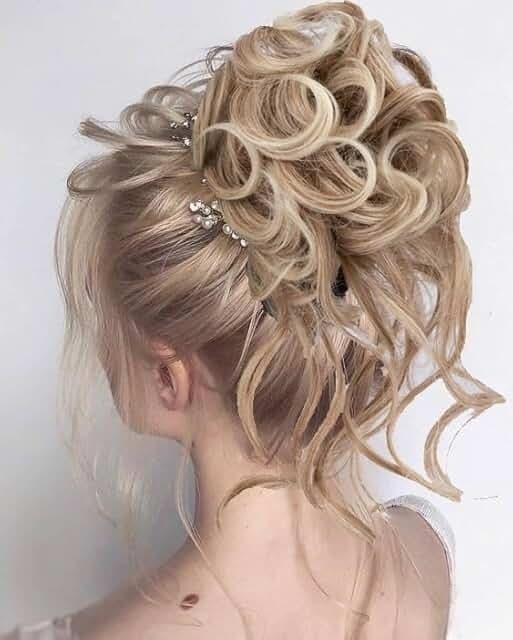
- Human hair
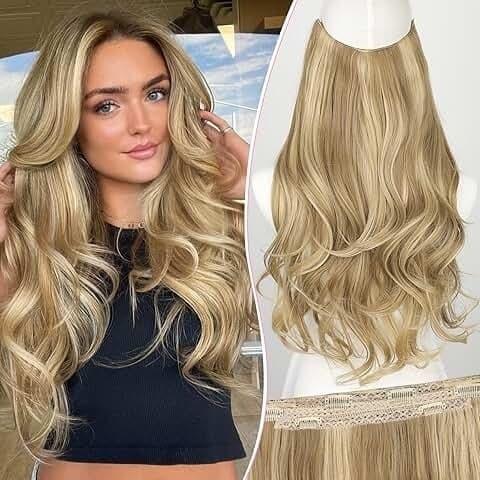 : Most realistic and heat-friendly. Often paired with premium caps like hand-tied or monofilament for lifelike movement. Higher maintenance and cost.
 - Synthetic: Low-maintenance and pre-styled; excellent for budget or convenience. Newer heat-friendly synthetics can be styled at low temperatures. Synthetic wigs often come in machine-made caps.
- Blend fibers: Offer compromise between look and price.
Common myths and pitfalls
There are widespread misconceptions about cap types that can mislead buyers. Myth: lace is always fragile—while lace requires gentler care, high-quality lace is durable if maintained. Myth: machine-made wigs look fake—modern wefting techniques can produce natural-looking volume and movement when paired with the right hair density and styling. Avoid basing decisions solely on price; consider long-term value, fit, and maintenance time.
Customization and professional alterations
You can often modify caps to match your needs: ventilating extra hair into a cap for a bespoke hairline, trimming lace to match your hairline, adding combs or adjusting strap placement, or adding a silk top for a more realistic part. Working with a wig specialist or stylist helps achieve a fitted, natural result and often extends the wig's wear life.
Best picks by user scenario
To make selection easier, here are quick recommendations:
- Cosplayers and performers: Lace front or full lace for styling freedom and realism under stage lights; use strong adhesives or professionally fitted bases.
- Everyday comfort seekers: Capless or wefted open weft for breathability; consider glueless options with adjustable straps to avoid adhesives.
- Those with medical hair loss: Monofilament or hand-tied caps for gentleness and natural scalp look; consult medical wig services for sensitive scalp materials.
- Budget-conscious buyers: Machine-made wefted wigs provide volume, durability, and low maintenance for daily use.
Shopping checklist
Use this checklist when evaluating options: 1) Cap type matches your styling goals, 2) Size fits with adjustment room, 3) Material suits your heat and care preferences, 4) Hair density appears natural for your face shape, 5) Securement options are suitable for activity level, 6) Return policy and trial options are available.
DIY fixes and quick alterations
Small adjustments can transform a wig: trimming the lace carefully after application, thinning the hairline for a softer look, customizing parting with a hot comb on human hair, or sewing in additional weft for more density. For lace repairs, use specialized adhesive removers and consider professional re-lacing for major fixes.
Where to try and buy
Purchasing options include boutique salons, online specialty retailers, and general marketplaces. Trying in person helps assess fit and hairline realism; online purchases should prioritize retailers with clear return policies, accurate photos, and detailed cap construction descriptions. Reviews that mention cap type, comfort over long wear, and hairline visibility are especially informative.
Price vs value: how to budget
Expect to pay a premium for hand-tied, monofilament, or full lace constructions combined with human hair. Synthetic and machine-made caps range widely but are more budget-friendly. Consider total cost of ownership: styling tools, adhesives, professional fittings, and maintenance. Investing more upfront in a cap that fits your lifestyle often saves money and frustration over time.
Top maintenance checklist
To protect your investment: wash as recommended, store on a wig stand, protect lace during sleep with silk scarves or sleep caps if advised, avoid excessive heat on non-heat-friendly fibers, and schedule professional cleanings or adjustments for high-end caps.
Quick recap: matching priorities to cap type
Answering the core question of what are the different types of wig caps becomes simple when you align the cap features with priorities: choose lace for hairline realism, monofilament for natural parting and sensitive scalps, hand-tied for movement, and machine-made/wefted for budget and durability. Hybrid caps offer middle-ground solutions combining two advantages such as lace front with monofilament crown.
Final tips before purchase
Always test how the wig sits, ask about custom options if your head shape is unique, and verify the cap materials for allergies. Request close-up photos of the hairline and parting when shopping online. If possible, consult a wig stylist for personalized recommendations and fitting. Keep a record of the cap type and any adjustments done for future reference and reorders. Embrace experimentation—trying a few cap types will quickly teach you which features feel and look best for your daily routine.
Summary: Understanding what are the different types of wig caps empowers you to make an educated purchase that prioritizes comfort, realism, and the styling flexibility you need. Whether you prioritize cost, breathability, or the most natural hairline, there's a cap built to match your priorities. Research cap construction, measure accurately, and don't hesitate to seek professional customization for best results.
Additional resources and next steps
Bookmark trusted wig retailers and styling tutorials tailored to the cap you choose. Consider joining wig communities or forums to read real-life experiences on specific brands and cap options. If you wear a wig for medical reasons, seek suppliers specializing in scalp-sensitive materials and professional fitting services to ensure long-term comfort and confidence.
FAQ
- Q: How do I tell if a wig cap will be comfortable for daily wear? A: Check cap construction—open wefts and capless designs are more breathable; monofilament and hand-tied caps are softer at pressure points. Also verify adjustable features and measure your head to the manufacturer’s sizing chart.
- Q: Can I switch cap types after buying a wig? A: Major changes like converting a machine-made wig to a lace front typically require professional re-construction. Minor adjustments like adding combs or modifying straps are relatively simple.
- Q: Which cap is best for natural-looking parting on a budget? A: Look for wigs with a monofilament top or a synthetic silk top; they combine more natural parting with mid-range pricing.
- Q: Are lace fronts suitable for active lifestyles? A: Yes, especially when paired with strong but skin-safe adhesives or a secure glueless system, though lace does require attention to avoid snagging.
