Wearing a wig well begins long before you place it on your head. Whether you are a beginner or experienced wig wearer, understanding practical methods to tuck and smooth your own hair can make the difference between an obvious wig and a believable, natural hairline. This guide focuses on actionable, step-by-step techniques about how to hide hair under wig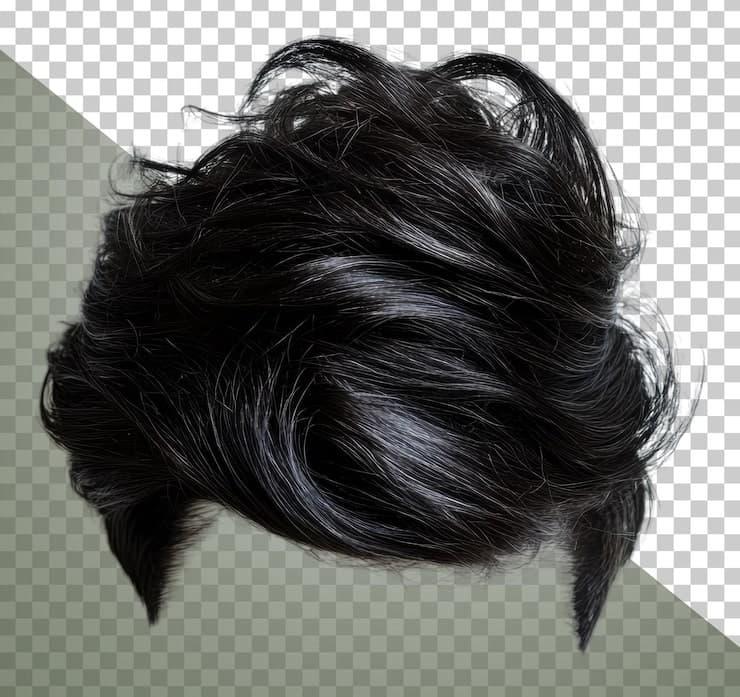 while maximizing comfort, scalp health, and a long-lasting hold. Read on for in-depth tips, product suggestions, and troubleshooting advice that will help you achieve a flawless finish.
Properly hiding hair under a wig is not only cosmetic; it improves fit, reduces bulk, prevents shifting, and protects your natural hair and scalp. People often rush to the wig cap or the lace without addressing the foundation — the way your hair is arranged under the cap. Correct techniques reduce pressure points, prevent bumps, and avoid tension that can lead to hair breakage. The methods described here work for all hair types and lengths, from thin, fine strands to thick, curly hair or hair affected by medical treatments.
Start with a gentle shampoo and conditioner. Remove product buildup so the wig cap adheres well and your hair lies flat. Pat dry with microfiber towel to avoid frizz.
Completely dry hair prevents mildew and unwanted lumps. Detangle with a wide-tooth comb and apply a small amount of smoothing serum if hair is coarse. Avoid heavy creams that add weight.
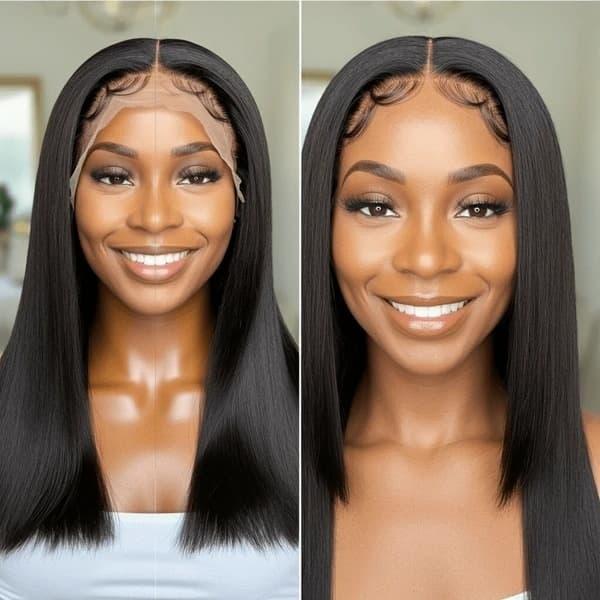
For medium-long hair, create neat cornrows parallel to the hairline. If your hair is short, use flat twists or pin it close to the scalp with bobby pins, smoothing any flyaways with a brush and gel.
Place a snug wig cap over the braids or smoothed hair. Double-cap for thinning hair: a nylon cap to flatten and a breathable cap above to sit the wig on. Tuck ends neatly and use hair grips to secure stray pieces.
Each head is unique. Here are targeted solutions:
Key products include a selection of caps, grip bands, low-profile foam inserts, medical tape, skin-safe adhesives, lace tint, and a high-quality edge control. For concealment, a thin nylon cap plus a breathable mesh cap works across most wig types. If you prefer how to hide hair under wig methods that are non-adhesive, prioritize wig grips, combs sewn into the cap, and adjustable straps.
Glue offers the flattest finish for lace front wigs but requires careful skin testing and removal. Glue-less methods (wig clips, combs, and elastic bands) are safer for daily use and for those with sensitive scalps. Combine methods: use a wig band and double-sided tape at the temples for added security without full-time adhesives.
Create a believable hairline: style baby hairs, blend with light makeup along the lace, and slightly pull the wig forward to sit over the forehead, not on top. Avoid super tight updos that expose the cap edge; instead, opt for low buns or side sweeps. In windy conditions, clasp the wig inside with small wig pins hidden in the hair to prevent lifting.
Wearing a wig for long periods can trap heat. Choose caps with breathable mesh at the crown and lightweight wefts. Rotate wigs to relieve pressure on specific scalp areas and sleep with a satin bonnet to protect the wig and your natural hair.
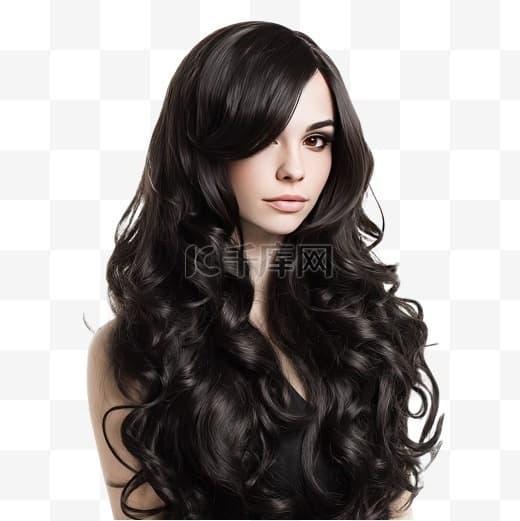
Clean your wig regularly based on wear frequency. Store on a mannequin head or wig stand to keep shape and prevent creases. Wash caps monthly and replace adhesive tapes as needed. Rotate between 2-3 wigs if worn daily to extend life for each piece.
For lace customization, professional plucking, or scalp concerns, visit a licensed stylist. A pro can tint lace to match your skin tone, ventilate hairlines for realism, and recommend adhesives suitable for your skin type.
Before you step out, check these items: clean cap, flat braids/twists, smooth cap placement, wig grip applied, hairline blended with baby hairs, edges laid, and ends secured. Carry a small kit for touch-ups: bobby pins, small comb, edge gel, and a travel-size adhesive remover.
If you notice a bump after placing the wig, remove it, reframe the braids, and reapply the cap. If the lace shows, apply a thin layer of foundation or lace tint and lightly press the lace to the skin. For itching, use a breathable cotton cap and an anti-itch scalp spray formulated for wig wearers.
Throughout this article we mentioned how to hide hair under wig several times because the technique is central to comfort and realism. Experiment gradually, documenting what works for your head shape, hair density, and lifestyle. If one method isn’t comfortable, try another—there is no single right way, only the right way for you.
The art of hiding your natural hair under a wig combines preparation, the right tools, and thoughtful styling. Attention to small details — cap choice, braid pattern, edge work, and adhesive selection — yields a natural, long-lasting look. Practice these steps until they become routine, and your wig will look like it’s growing right from your scalp.
A: Yes. Use a low-profile nylon cap, smooth with a brush and gel, and secure with wig grips. Short hair can be very comfortable under wigs if you ensure the cap fits snugly.
A: Not always. Adhesive gives a flatter finish for lace fronts but many wearers prefer glue-less solutions like wig grips and tape for daily comfort and scalp health.
A: Re-braid or re-twist hair to lie flat, use foam inserts strategically, and don’t overstuff the cap. A breathable cap and correct braid pattern go a long way.
By following these comprehensive tips and experimenting with the combinations that suit your hair, you will become proficient at how to hide hair under wig in a way that preserves your natural hair and enhances confidence in every wear.
