If you love the warm glow of a honey shade but crave bounce and texture, mastering the art of a honey blonde wig curly look can transform your daily routine and boost confidence. This guide explores practical styling techniques, care tips, and ten curated looks that celebrate movement, dimension, and the health of your wig fibers. Whether you're new to wigs or refining your approach, the following advice balances aesthetic detail with longevity and comfort.
Honey blonde tones offer a flattering mix of golden warmth and soft contrast that suits a broad range of skin tones. Choosing a honey blonde wig curly enhances natural light reflection within curls, creating depth without harsh highlights. Curly textures add instant volume and hide less-than-perfect cap lines, making them ideal for quick glam or everyday chic. The combination of color and texture also lends itself well to low-maintenance styling because curls tend to hold shape and disguise minor tangles when properly cared for.
Choosing the perfect honey blonde wig curly involves evaluating cap construction, fiber type, density, and curl pattern. Clip-in pieces are convenient, but a quality lace front or monofilament cap provides the most realistic hairline and parting. Human hair offers superior styling flexibility, whereas high-grade heat-resistant synthetic fibers deliver consistent curls with less upkeep. Decide on density based on your desired fullness—130% density is natural-looking while 180% gives more dramatic body.
Below are ten distinctive looks tailored to different occasions and maintenance levels. Each entry contains styling steps, product suggestions, and tips to keep your wig looking fresh and full.
This relaxed, shoulder-length look balances structure and softness—perfect for everyday elegance. To create: gently shake out pre-styled curls, apply a lightweight mousse to the mid-shaft, then finger-scrunch to enhance definition. Use a wide-tooth comb only at the ends to prevent frizz. Finish with a flexible-hold spray and scrunch slightly for natural volume. Ideal density: 130-150%.
Long curls with a subtle root shadow make the wig appear like natural grown-in color. Apply a root-touch powder or spritz a matte spray at the part to deepen the roots. Loosen curls with fingers and create subtle bends with a low-heat wand if needed. For longevity, avoid heavy oils that weigh down ends. This style benefits from honey blonde wig curly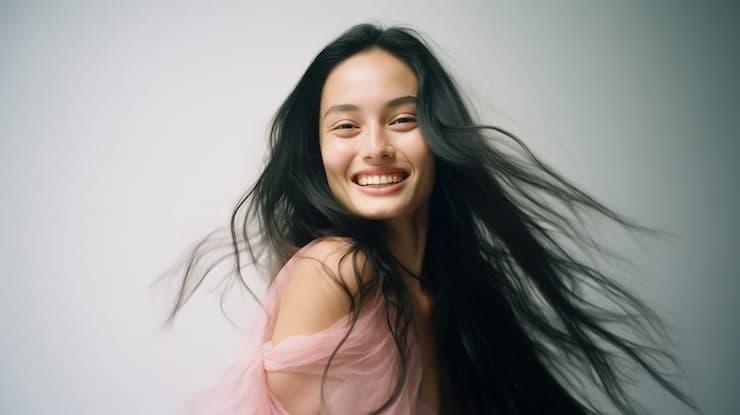 color gradation to avoid monotone flatness.
A bob cut in a curly texture maximizes volume at the crown. Use a volumizing foam and clip the roots with light pressure to set height. Define ringlets with small-section curling tools or finger-coaxed styling for texture. Keep ends slightly layered to prevent triangular shapes. Maintenance tip: store on a form or mannequin to preserve curl pattern.
Effortless beach waves with spiral tendencies require minimal heat. Twist damp synthetic-friendly wigs into braids overnight or use Velcro rollers for human hair versions. When dry, separate spirals and mist with a salt-spray for texture and hold. This is a classic looking use of a honey blonde wig curly to create an undone, youthful vibe.
A half-up style adds height at the crown while allowing curls to cascade. Tease the crown gently through the wig cap, secure a top knot or small bun, and leave face-framing curls defined. Use bobby pins that match the base color to secure without visibility. This look pairs well with lower densities at the nape to keep the crown prominent.
For special occasions, sweep defined curls to one side and pin hidden sections behind the ear. Use smoothing serum sparingly on the top layer for shine but avoid contact with roots to preserve volume. A light misting of medium-hold hairspray will maintain shape while keeping movement natural.
A short curly wig in honey tones offers playful volume and requires a different approach: use a thickening paste or cream on the roots to lift, then define small curls with your fingers. This style is low-maintenance and great for showcasing facial features while keeping a honey blonde wig curly statement.
Introduce lighter honey highlights and subtle lowlights to create dimension. Use large barrel curling techniques to produce uniform S-shaped waves and brush gently into softness for a Hollywood-inspired finish. This style visually amplifies the warmth of honey blonde while preserving ample volume.
Add small braids at the temples or crown to enhance texture and disable the need for constant restyling. Braids also protect strands and reduce friction that causes tangles. Keep curls loose and lightly mist with detangling conditioner when needed.
For formal events, gather curls into a low chignon or twisted bun, leaving small tendrils to frame the face. Pin sections strategically and use a medium-hold spray. The curls’ texture hides pins and helps the style maintain volume without appearing flat.
Achieving natural volume with a honey blonde wig curly focuses on root lift, curl memory, and fiber-friendly products. Below are foundational techniques used by stylists:
Routine care preserves both the honey tone and the curl structure. Always detangle from ends to roots using a wide-tooth comb or your fingers. When washing, use a sulfate-free, color-safe shampoo and a deep conditioner focused on moisture retention rather than heavy oils that collapse curl volume. For synthetic wigs, use specialized synthetic wig cleansers and conditioners to avoid fiber loosening.
Air-dry on a wig stand to maintain shape; avoid rough towel-drying. For storage, a breathable bag or a mannequin head preserves curls better than folding. When traveling, use a satin-lined travel bag and secure the wig gently to prevent compression.
Protect honey blonde tones from harsh sunlight to prevent brassiness; use UV-protectant sprays and minimize chlorinated water exposure. For human hair wigs, tone with low-volume purple or blue treatments if brassiness appears. For synthetic pieces, replace periodically if color fading becomes irreparable.
Equip your toolkit with a mix of heat tools, staging accessories, and gentle styling products. Must-haves include a low-heat curling wand (for human hair), a diffuser attachment for gentle drying, wide-tooth combs, foam rollers, satin scrunchies, and a selection of lightweight mousses and sprays labeled for color-treated hair. When the product claims “lightweight” and “non-greasy,” it often works best for maintaining the airy quality of honey blonde wig curly hair.
Avoid heavy serums near the roots; apply a minimal amount to mid-lengths and ends to boost shine without sacrificing lift.

If you want a truly natural look, seek a stylist who can slightly thin dense wefts, create face-framing layers, and adjust the lace for a seamless hairline. Subtle root-tints or a balayage technique applied to wig fibers can mimic natural regrowth and enhance three-dimensional color depth. Customization also includes trimming bangs and shaping the nape to ensure the wig sits naturally and supports volume where you want it.
Many people unintentionally flatten curls by overbrushing, overusing oils, or applying heavy products. Resist the urge to comb curls regularly; instead, refresh with water and a leave-in or curl-activating spray. Heat tools should be used sparingly and at the lowest effective setting for human hair wigs. For synthetic wigs, avoid anything hotter than the recommended temperature or risk fiber damage.
Develop a 5-10 minute refresh routine: spritz with a water-based curl revive spray, scrunch curls to reactivate shape, pinch the roots for lift, and apply a light mist of flexible-hold hairspray. Keep a brush-free approach; your fingers are the best tool for preserving curl integrity and creating organic volume.
SEO note:Throughout this article we highlighted practical steps and styling approaches to enhance a honey blonde wig curly appearance. For search visibility, incorporate the keyword naturally within product descriptions, alt tags on images, and header elements when publishing on your site to reinforce topical relevance for queries related to curly honey-toned wigs and volumizing techniques.
Wash frequency depends on wear and activity; typically every 10-15 wears for synthetic wigs and 7-10 for human hair wigs if products are used. Use gentle, color-safe formulas and avoid over-washing to preserve curl and color vibrancy.
Only use heat tools on synthetic wigs labeled as heat-resistant and follow manufacturer temperature limits. For most synthetic fibers, steam styling or low-heat tools specifically designed for wigs are safer. For human hair versions, low to moderate heat with protective spray works best.
130-150% density offers a natural fullness while maintaining a realistic profile. If you prefer a statement look with bigger volume, choose 160-180% but be mindful of additional weight and maintenance needs.
Limit sun exposure, use UV-protectant sprays, and for human hair wigs occasionally tone with purple-based products to neutralize warm undertones. For synthetic wigs, replace or re-dye with professional-grade dyes if brassiness appears.
