Taking care of a synthetic wig properly extends its lifespan, preserves its style, and keeps the fibers looking glossy and healthy. In the sections below you'll find a clear, practical, and search-friendly explanation about how to clean synthetic wigs and how to restore shine without expensive salon products. This guide is designed for beginners and experienced wig wearers alike, focusing on safe at-home techniques.
Unlike natural hair, synthetic fibers are manufactured plastic-based materials engineered to hold shape and color. Because of this, aggressive heat, harsh chemicals, and rough handling can cause irreversible damage. When you learn how to clean synthetic wigs properly, you protect the fiber integrity, avoid frizz, and prevent tangling. Frequent, gentle maintenance is better than sporadic deep-cleaning that may stress the fibers.
There are two basic maintenance approaches: light routine care and a deeper wash when needed. Routine care involves detangling, brushing, deodorizing, and preserving style between wears. Deep cleaning is a full wash and condition cycle done less often depending on use, heat exposure, styling products, and environmental pollutants. Knowing when to perform which is a key part of mastering how to clean synthetic wigs.
Signs you should deep-clean include visible oiliness, product buildup that resists light spritzing, unusual odor, a sticky or stiff hand-feel, or flattened styling that won’t spring back. If you are wondering how to clean synthetic wigs to remove both oil and residue without harming fiber, follow the step-by-step method below.
Before starting, prepare a clean basin or sink reserved for wig care, cool or lukewarm water (never hot), a mild shampoo designed for synthetic wigs or a gentle sulfate-free baby shampoo, a lightweight conditioner or synthetic wig conditioning product, and a soft towel. You will also need a wig stand or an airy area where the wig can dry naturally.
Restoring shine involves cleaning plus restoring surface smoothness so the fibers reflect light. Here are safe shine-boosting tactics that pair with the washing routine above:
If your wig appears dull despite a clean, consider these targeted fixes: dilute a small amount of fabric softener in water and mist lightly, use a professional synthetic wig shine spray, or for tangles apply a specially formulated detangler and let it rest. Always test treatments on an inner, inconspicuous area of the wig cap to ensure compatibility. These options are useful when you need additional recovery after environmental exposure or product misuse.
Problem-solving is a key part of mastering how to clean synthetic wigs. Below are common complaints and practical remedies that preserve fiber quality.
For oil-heavy situations, pre-treat with a small amount of gentle shampoo directly on the oily spots and let it sit briefly before soaking. Alternatively, sprinkle a touch of cornstarch or baby powder on the oily area, let it absorb oil for 20–30 minutes, then brush out and proceed to a full wash.

Smoke or other odors often cling to synthetic fibers. A longer soak with a cup of white vinegar mixed into the wash water can help neutralize smells (follow with a thorough rinse). Another option is an enzymatic deodorizing spray formulated for fabrics and synthetic hair.
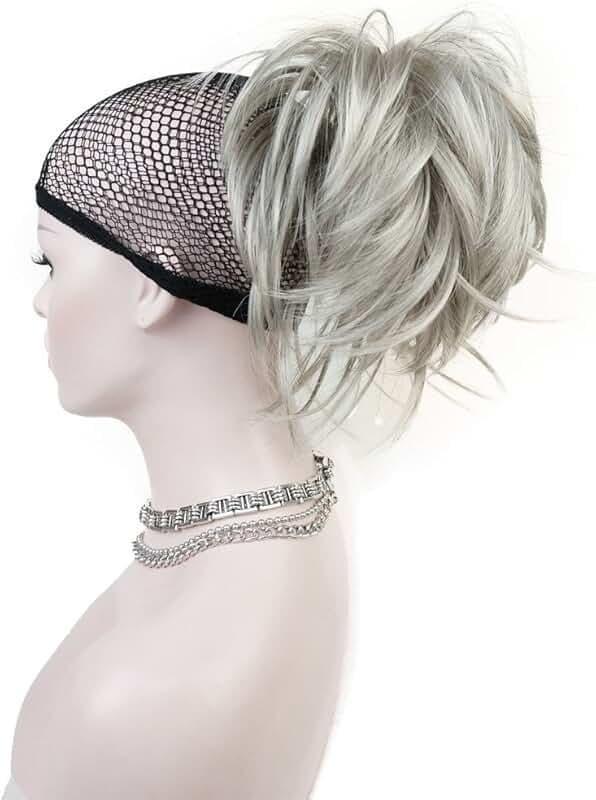
Use a detangling spray and a wide-tooth comb, working from tips to roots. Frequent gentle brushing and nightly storage on a wig stand prevents the knots from becoming knots you can't undo. Avoid sleeping in a synthetic wig unless it is specifically made for overnight wear.
A few well-chosen tools help you perform each step efficiently: a wide-tooth comb, a soft-bristle brush designed for synthetics, a mesh laundry bag for washing cap pieces (for machine-washable synthetics only), a mild shampoo without sulfates, a conditioner formulated for synthetic fibers, and a quality wig stand for drying and storage. When choosing products, check labels for wording such as 'suitable for synthetic fibers' to avoid damage.
Once the wig is fully dry, restyle with tools labeled safe for synthetic hair if heat styling is intended. Many modern synthetic wigs are heat-tolerant at specified temperatures; always consult manufacturer instructions. For non-heat styling, rollers and braiding can create texture without heat. Remember that each styling session adds wear, so limit intense sessions to preserve the fiber's life.
Proper storage prevents dust accumulation, loss of shape, and tangling. Keep cleaned wigs on a ventilated stand or in a breathable bag in a cool, dry place out of direct sunlight. If storing for long periods, loosely braid long wigs to reduce tangles and place tissue inside the cap to maintain form. Routine checks and light brushing before wear keep a wig ready and fresh, reducing the need for frequent deep washes.
Myth: Heat is always OK for synthetics. Reality: Only select heat-friendly synthetics can tolerate styling tools at specific temperatures. Myth: Shampooing frequently improves longevity. Reality: Too-frequent washing can dry out and stiffen fibers; balance is essential. Myth: Any fabric conditioner works. Reality: Ordinary fabric softeners can leave residues; use products made for synthetic wigs.
When disposing of rinse water and chemical solutions, follow local guidelines. Many wig-friendly products are water-safe, but avoid pouring concentrated chemical treatments into drains. Choose eco-friendly products when possible and store chemicals away from children and pets. For allergy-sensitive wearers, select hypoallergenic shampoos and test new products on a small patch.

Throughout this guide you encountered central phrases designed to help you find reliable advice online: "how to clean synthetic wigs", synthetic wig washing, synthetic wig conditioning, restoring synthetic wig shine, and safe wig drying. Repeating these targeted terms in headings and content helps both human readers and search engines discover the most useful sections quickly.
Consistency and gentle techniques win when caring for synthetic hair. If you're wondering how to clean synthetic wigs in a way that balances performance and longevity, start with the light routine steps, escalate to deep cleaning only when necessary, and choose products designed for synthetics. Small daily habits—like storing on a stand and avoiding heavy sprays—prevent many common issues and keep your wig looking as natural and shiny as possible.
Beginner schedule: Wash every 8–12 wears or once a month with light daily detangling.
Frequent-user schedule: Wash every 4–6 wears and use protective products between wears if you live in a polluted environment.
Salon-level care: Every 3–6 months, consider professional cleansing and reshaping if the wig has complex styling or permanent waves.
If a wig has suffered heat damage, severe fiber breakdown, or cap disintegration, professional repair or replacement may be the best option. A reputable wig stylist can sometimes recondition and restyle advanced pieces. For high-value wigs, periodic professional maintenance can extend serviceable life and retain value.
Learning how to clean synthetic wigs well is less about complicated procedures and more about using the right products, gentle techniques, and a predictable routine. Treat your synthetic hairpieces with the care they require and they will stay vibrant, soft, and shiny for far longer. Consistent, gentle cleaning, smart storage, and selective styling are the keys to a beautiful, natural-looking synthetic wig.
