If you've ever wondered can you use hairspray on a wig and what the safest way to do it might be, this comprehensive guide is designed for you. Whether you're styling a synthetic piece for cosplay, refreshing a human-hair wig for daily wear, or learning how to maintain lace fronts and monofilament caps, understanding the interaction between hairspray and various wig fibers is essential. This article breaks down the science, the risks, the best practices, and alternatives so you can achieve lasting styles without damaging your investment.
Wigs are constructed from two primary fiber types: synthetic fibers and human hair. Each reacts differently to styling products and heat. Synthetic fibers can be heat-sensitive and coated with a finish that affects how hairspray adheres. Human-hair wigs behave like natural hair and are usually more tolerant of conventional styling products, but they still require special care because of the wig's construction and the adhesives used at the cap or hairline.
Hairsprays differ by hold level, alcohol content, resin or polymer types, and humidity resistance. Typical components include polymers that form a film to lock hair in place, volatile solvents (often alcohol) that evaporate after application, and conditioning agents or UV filters in higher-end formulas.
When asking can you use hairspray on a wig, the answer largely depends on the formulation: alcohol-heavy sprays can dry out human hair over time and may cause synthetic fibers to become brittle or attract residue. Flexible-hold sprays, lightweight mists, or sprays formulated for synthetic hair exist and often provide a safer result.
Short answer: yes, but with caution. The recommended approach varies by wig type and intended style. For human-hair wigs, traditional hairsprays can be used sparingly, ideally those with lower alcohol levels and with finishing treatments that condition. For synthetic wigs, use products designed specifically for synthetics or low-residue flexible mists. Regardless of material, always test a small, inconspicuous section first.
Follow these steps to reduce risk and prolong the life of your wig:
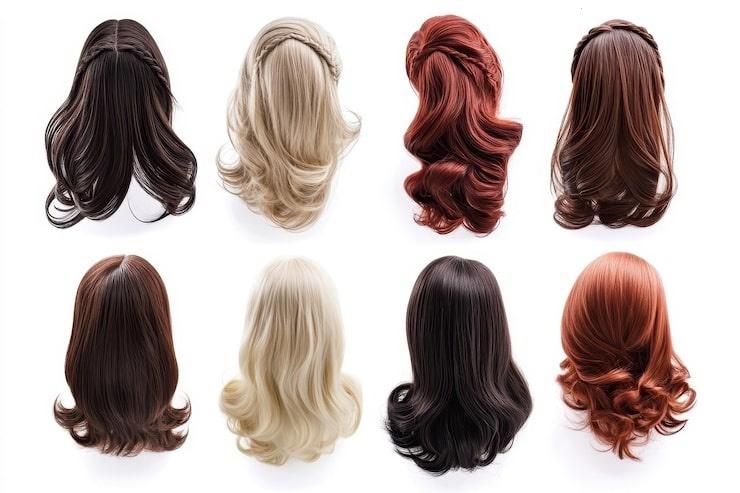 : Use the spray for specific hold needs—roots, flyaways, or final finishing—rather than saturating the entire wig.
Use a light mist of flexible hairspray or a tiny amount of water-based styling gel. For human hair wigs, a little anti-frizz serum on the palms then smoothed over the surface works well. For synthetics, avoid oil-based products which show as greasy spots.
For volume at the crown, apply a volumizing spray at the roots and backcomb gently. Backcombing on wigs should be done sparingly and against the grain of the cap to avoid long-term tangling.
If creating an elaborate updo for a performance, consider using a staging product—some professional wig stylists use lightweight polymer sprays labeled for theatrical or broadcast use. These are formulated to wash out more easily and are less likely to leave a crusty finish.
Proper removal ensures longevity. For synthetic and human-hair wigs, follow manufacturer washing instructions. In general:
Look for these product features to reduce harm:
A few practical suggestions: lightweight flexible-hold mists for finishing, theatrical styling sprays for stage performance, and specific synthetic wig sprays available from wig suppliers. Avoid aerosol overuse; pump-spray or bottle sprays sometimes offer more controlled application.
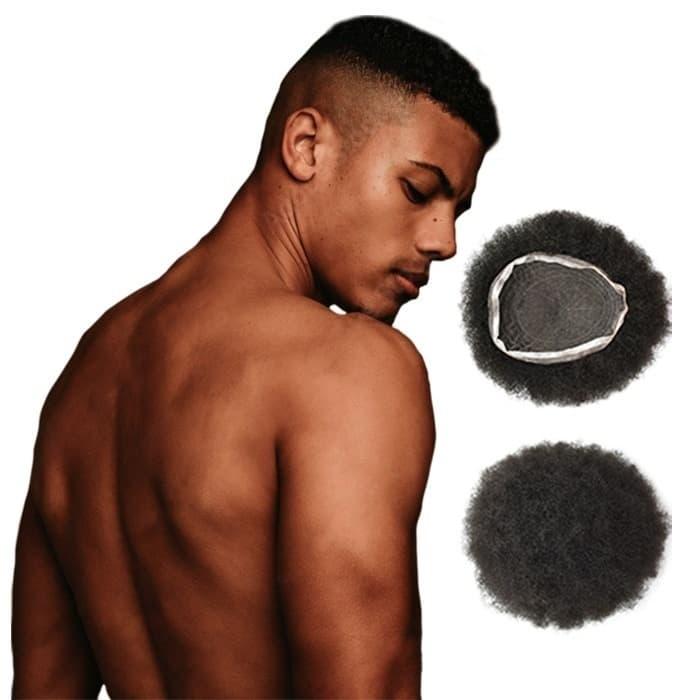
If you're hesitant to use hairspray, try these alternatives that can deliver hold without excessive polymer buildup:
Pro tip: Keep a small travel-size synthetic-safe spray in your kit for quick touch-ups—it's easier to refresh with small amounts than to strip heavy product later.
Seasoned stylists often follow these rules: minimal product at the cap, preference for stage-grade finishing sprays that wash out more easily, and always sealing delicate lace areas with a barrier sheet or fine shield. They also recommend rotating wigs to avoid daily product accumulation and scheduling periodic deep cleans to strip built-up polymers.
For frequent wearers, plan a light cleanse every 6–8 wears and a thorough cleaning monthly, depending on product use and environmental exposure. This prevents polymer buildup from making the wig look dull and brittle.
Answering the central SEO-friendly question—can you use hairspray on a wig—requires nuance: yes in many cases, but the method, product selection, and frequency determine whether you'll preserve the wig's look and longevity. Emphasize testing, targeted application, proper aftercare, and choosing formulas meant for the fiber in question. When in doubt, consult the wig manufacturer or a professional stylist for product recommendations tailored to your specific piece.
Short answer: usually no, if you use the right product and avoid over-application. Permanent damage is more likely from high heat or solvent exposure. Residue can build up but is removable with the correct cleaning method.
Yes, but choose low-alcohol, flexible-hold formulas and avoid daily heavy use. Deep-condition regularly to prevent drying.
Wash with a gentle wig shampoo or a clarifying product recommended by the wig maker. For synthetic wigs, use synthetic-specific cleaners. Avoid scrubbing; soak and rinse thoroughly.
Yes—many brands produce synthetic wig sprays, theatrical finishing sprays, and wig conditioners. These are often labeled for wig use and are safer for caps and fibers.
Final note: thoughtful styling extends the life of your wig. Keep lightweight, fiber-appropriate products on hand, practice controlled application, and maintain a cleaning schedule. With the right knowledge and tools, you can achieve the looks you want while protecting your wig investment and answering your own version of can you use hairspray on a wig confidently and safely.