
This in-depth guide explores everything you need to know about finding, styling, and maintaining a short hair wig that complements your lifestyle, face shape, and personal aesthetic. Whether you're new to wigs or updating your look, this resource provides practical, search-optimized advice that highlights the most important considerations when shopping for a short hair wig. The content emphasizes usability, real-world styling tips, and long-term care so that your investment looks natural, fresh, and wearable every day.
Short hair looks can be liberating — they are low-maintenance, versatile, and often bold. A short hair wig offers the same benefits without the commitment of a haircut. For people transitioning from long styles, or those seeking a chic, modern silhouette, a short wig provides instant transformation. Beyond fashion, short wigs help with breathability in warmer months and can make styling routines faster, which is a major selling point for busy professionals and active lifestyles.
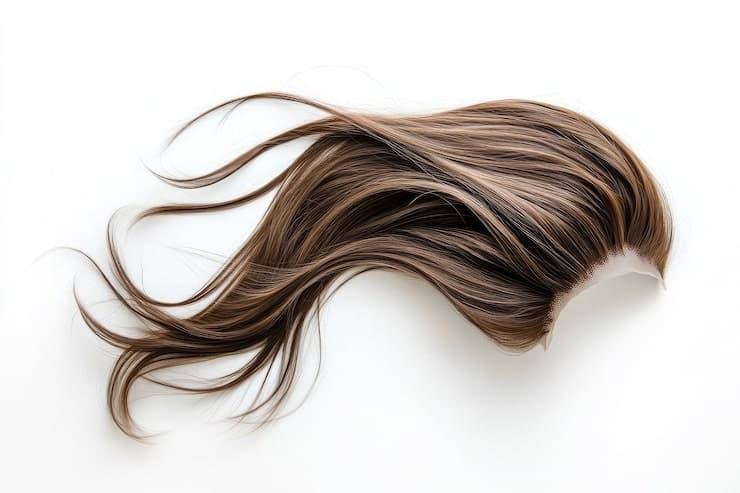
The world of short wigs includes several popular silhouettes: micro pixies, textured crops, sleek bobs, layered shags, and tapered cuts with longer fringe. When considering a short hair wig, think about texture (straight, wavy, curly), density (fullness), and length at the nape and sides. Those three variables determine whether a particular short wig flatters your facial features and integrates with your natural hairline for a seamless appearance.
Choosing the right cap construction is essential for comfort, durability, and realism. For a convincing short look you should weigh options like lace front, full lace, monofilament, and basic machine-wefted caps. Lace-front caps, for instance, create a natural-looking hairline ideal for styles with side parts or bangs. Monofilament tops allow for multi-directional parting and look especially natural with short, textured styles that expose the scalp in places.
Measure your head across three dimensions: circumference, front-to-nape, and ear-to-ear over the top. Most manufacturers provide size ranges (small, medium, large), but a custom measurement ensures the best fit. A properly fitting short hair wig should sit snugly without pressure points and should not move when you shake your head. Adjustable straps and silicone-lined edges can enhance grip for daily wear.
Color choice is a pivotal step when selecting a short hair wig. Skin tone, eyebrow color, and desired contrast all influence your final decision. Neutral browns, soft blacks, warm blondes, and modern grays each produce different impressions: warm tones can soften features, cool tones can look striking and editorial. When ordering online, request color swatches or high-resolution photos. For the most natural results, consider custom rooting or a two-tone blend where the roots are darker and the ends lighter, which mimics natural growth and reduces the appearance of a "wiggy" cap.
Adding subtle highlights or lowlights enhances depth and movement in short styles. Root shading or hand-tied root techniques add realism and reduce the need for frequent color maintenance. If you choose a vibrant fashion color, plan for more frequent care and specialized cleansing routines to preserve color intensity on synthetic or human-hair short hair wigs.
Short wigs open a wide range of styling options. Because strands are shorter, less heat and product are required to achieve shape. Below are concrete techniques to help you craft multiple looks with a single wig.
A single short hair wig can offer multiple personas: sleek and polished, tousled and casual, or soft and romantic. Use simple adjustments like tucking behind one ear (secure with wig tape if needed), adjusting the part line, or clipping in micro-extensions for added fringe length. Wigs with lace-front construction allow for flexible parting that supports side-swept bangs or a faux-undercut effect when styled strategically.
Proper maintenance extends the life of any wig. Clean according to fiber type: synthetic wigs need sulfate-free, wig-specific shampoos; human-hair wigs can handle professional-quality cleansing and conditioning products. Avoid abrasive scrubbing; instead, gently immerse the wig in cool to lukewarm water, work product through with your fingers, and gently blot to remove excess moisture.
Air-dry wigs on a wig stand to preserve shape and prevent cap distortion. For short styles, a stand helps set volume and maintains parting. If you must use a blow dryer, choose a low-heat setting and use a diffuser or a comb attachment designed for wigs.
Store wigs on a breathable stand away from direct sunlight to prevent fading. While traveling, pack a short wig in a breathable bag or a travel case with padding to minimize crushing. Carry a small styling kit — a comb, travel-size wig spray, and a few bobby pins — to refresh your look mid-day.
Each fiber type offers distinct advantages. Synthetic short hair wigs excel in retaining style after washing, are budget-friendly, and often come pre-styled. Human-hair wigs offer unmatched realism, can be heat-styled repeatedly, and accept chemical color treatments, making them ideal for users who prefer long-term styling flexibility.
Consider how often you'll wear the wig. Synthetic options are excellent for occasional wear, theme events, or fashion experimentation. If you plan daily use, investing in a high-quality human-hair short hair wig often pays off due to longer lifespan and superior appearance. Maintenance commitment should also inform your choice: human-hair wigs require more care, conditioning, and sometimes salon visits.
When buying a short hair wig, inspect the product description for cap type, fiber content, head size guidelines, and styling versatility. Read customer reviews focused on fit, color accuracy, and how the wig holds up over time. If possible, purchase from retailers that offer return policies and color swatches. Custom or bespoke wigs deliver the best fit and hairline realism but require longer lead times and higher budgets.
Set a budget that balances immediate needs with long-term value. Allocate funds for a quality cap, and if you choose human hair, remember the additional cost for maintenance products and occasional professional styling. Consider buying a secondary, budget-friendly synthetic short wig for days when you want to preserve your premium piece.
Accessories enhance both comfort and style. Wig liners and grips reduce slippage and protect sensitive scalps. Wig clips and tape secure lace-fronts for active lifestyles. For added realism, integrate pre-plucked frontlines or micro hand-tied sections that simulate baby hairs. Use minimal jewelry and scarves to complement a short hair wig without overpowering the hairstyle.
Human hair wigs can be customized with balayage, lowlights, or root shading. If you prefer ready-to-wear convenience, many manufacturers offer factory-rooted colors and multi-tonal blends that look exceptionally natural on short styles. Always consult with a color professional familiar with wigs to ensure dyeing or bleaching won't damage the hair or cap.
Start with subtle contrasts to test how different colors and textures suit your face. Practice applying the wig at home before wearing it publicly: positioning the cap, adjusting the straps, and securing the frontline will build confidence. Carry spare clearance products like a small mirror, a few bobby pins, and a mini brush. For sensitive scalps, breathable wig liners provide a soothing barrier and reduce irritation.

Consider a professional stylist when you need a custom cut, color correction, or advanced installation like ventilation or custom hand-tied caps. Professionals can also adjust the hairline and integrate creative effects while preserving the integrity of the cap.
Choosing and caring for a short hair wig is both an art and a practical skill. With attention to cap fit, color realism, and proper maintenance, a short wig becomes an empowering tool for self-expression. Whether you value convenience, dramatic fashion change, or everyday wearability, short styles deliver a concise, modern silhouette that can be adapted to many identities and routines.
Look for video tutorials from wig professionals, join online communities for real-user feedback, and consult manufacturer care guides to extend the life of your short hair wig. Industry glossaries and how-to videos can speed up your learning curve and reveal techniques for advanced styling.