Practical answer: can i wash a wig with regular shampoo?
Short answer: Yes, but with important caveats and careful technique. Whether you can safely clean a wig with a standard household shampoo depends on the wig type, the shampoo ingredients, and how you perform the wash. This guide explains in detail when it's acceptable to use a regular shampoo, when to avoid it, and a step-by-step routine that minimizes damage while maximizing longevity and appearance. You will find expert tips, ingredient checks, and troubleshooting advice so you can confidently care for your wig at home.
Why the question “can i wash a wig with regular shampoo” matters
Wig wearers frequently ask, "can i wash a wig with regular shampoo" because it seems convenient to use products already in the bathroom. However, wigs—especially high-quality human hair and synthetic blends—have unique needs. A wrong product or method can strip color, roughen fibers, cause frizz, or shorten the lifespan of the piece. Understanding differences between regular shampoos and wig-safe formulations is critical to making the right decision.
Types of wigs and how they change the answer
- Synthetic wigs: Most synthetic fibers are sensitive to heat, some detergents, and harsh sulfates. Many synthetic wigs are pre-styled and a household shampoo with strong surfactants may make them look dull or cause tangling.
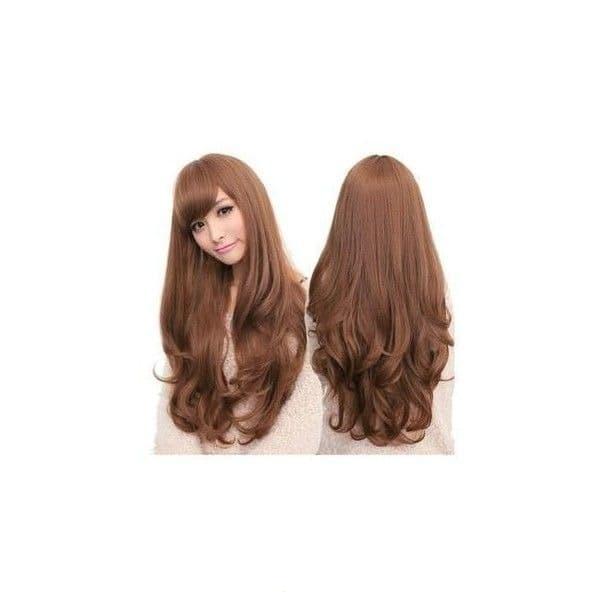
- Human hair wigs: These are closer to natural hair so regular shampoo can be used if it's gentle, sulfate-free, and color-safe. Still, human hair wigs lack the natural scalp oils and may respond differently to long exposure to detergents.
- Blended wigs: For mixes of human and synthetic, the safest approach is to treat them according to the more delicate component (usually the synthetic fibers).
Key ingredients to check before you use a regular shampoo
Before you decide "can i wash a wig with regular shampoo", examine the ingredient list. Avoid shampoos that contain high concentrations of sulfates (e.g., sodium lauryl sulfate, sodium laureth sulfate), strong alcohols (like isopropyl alcohol in high concentration), and heavy conditioning silicones if you want to avoid build-up. Instead, look for sulfate-free, mild surfactants, and lightweight conditioning ingredients. Clarifying shampoos are useful for heavy product build-up but should be used sparingly as they can be drying.
Acceptable regular shampoos (when used correctly)
- Sulfate-free, gentle daily or moisturizing shampoos.
- Shampoos labeled color-safe for human hair wigs with a neutral pH.
- Baby shampoos or gentle formulas that avoid harsh detergents (use cautiously on synthetic wigs because they may not rinse residues as easily).
When not to use a regular shampoo
Do not use regular shampoo when:
- You own a heat-sensitive synthetic wig and the shampoo contains denaturing agents that can alter synthetic fiber texture.
- The wig has cold-permanent styles or special coatings; a dedicated wig shampoo preserves these finishes better.
- Your regular shampoo contains heavy oils or waxes that leave residues and change the wig's movement.
Step-by-step: How to wash a wig using regular shampoo (safe method)
This is a conservative, safe routine you can follow when you choose to use a regular shampoo. It minimizes stress on fibers and ensures better results than a quick sink-dunk.
Preparation
- Brush the wig gently with a wide-tooth comb or wig brush to remove tangles starting from the tips and working up to the roots.
- Fill a sink or basin with lukewarm water (not hot). Heat can damage synthetic fibers and cause human hair wigs to lose shape. For synthetic wigs, cooler water is preferable.
- Add a measured small capful (or a teaspoon for a basin) of a gentle, sulfate-free shampoo; mix until well-dispersed. You only need a small amount—wigs do not require the same volume of product as natural hair.
Washing
- Submerge the wig gently and swish; avoid twisting, rubbing, or scrubbing. Let the shampoo soak for 2–5 minutes for light cleaning; for heavier residue, allow up to 10 minutes but monitor closely.
- Do not agitate the wig excessively. For lace-front wigs, avoid aggressive movement near the lace to prevent loosening of knots.
- After soaking, rinse thoroughly with cool to lukewarm running water until the water runs clear. Inadequate rinsing leads to residue and stiffness.
Conditioning (recommended for human hair and some heat-resistant synthetics)
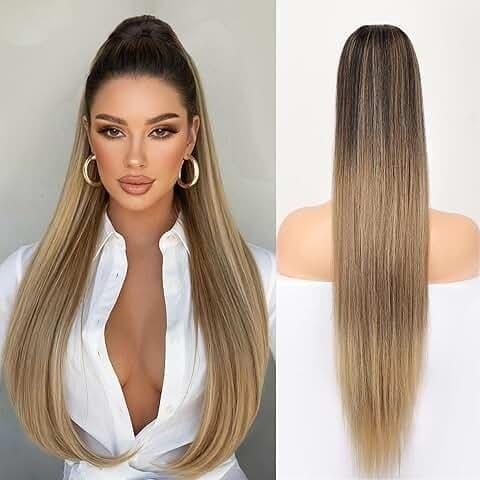
If you use regular shampoo, follow with a lightweight conditioner or a specially formulated wig conditioner. Apply conditioner mainly to the mid-lengths and ends—avoid the base of a wig cap if you want to preserve the ventilation and adhesive areas. Leave the conditioner for 1–3 minutes and rinse with cool water.
Drying
- Pat the wig with a towel gently; never wring or twist. Use blotting and gentle squeeze techniques.
- Place the wig on a wig stand or mannequin head to air dry. For synthetic wigs that are not heat-friendly, avoid blow dryers altogether. For human hair wigs, use a low-heat setting if you must use a dryer, but air drying is preferred.
- Do not expose the wig to direct sunlight for extended periods while drying—this can fade color.
Styling after wash
For human hair wigs, detangle with a wide-tooth comb and style when the wig is mostly dry to avoid stretching or changing the curl pattern. For synthetic wigs, use products and tools designed for synthetics; high-heat styling tools can melt fibers unless the wig is explicitly heat-friendly.
Frequency of washing
How often you wash depends on wear habits: light daily wear with minimal styling products might only require washing every 8–12 wears. Heavy product users or those who sweat more might need to wash more often. Over-washing can dry out human hair fibers and remove the styling of synthetic wigs.
Tips to improve results when using regular shampoo
- Perform a patch test on a hidden area or a sample strand if available to ensure no color fading or texture change.
- Prefer neutral-pH, sulfate-free formulas; these are less likely to strip natural oils and wig treatments.
- Rinse longer than you think necessary—residue is a common cause of dullness.
- Use a leave-in conditioner sparingly on human hair wigs to maintain softness without weighing the piece down.
- For synthetic wigs, consider using a mild fabric softener diluted in rinse water for added softness—but test first because residues can attract dust.
Common mistakes to avoid
- Using hot water—this is one of the fastest ways to damage synthetic fibers and shrink cap materials.
- Over-applying shampoo—wigs need far less than natural hair due to smaller surface area and fewer natural oils.
- Rubbing or wringing—this causes tangles, friction damage, and may loosen hand-tied knots in lace caps.
- Applying heavy oils or waxy products at the base—this can clog cap ventilation and interfere with adhesives and scalp comfort.
Alternatives to regular shampoo
While many people can use a gentle regular shampoo carefully, you may prefer specialized options:
- Wig shampoo: Specifically formulated to clean wigs without stripping finishes or harming fibers.
- Color-safe, sulfate-free human hair shampoos: Good for higher-end human hair wigs.
- Dry shampoos / cleansing sprays: Useful for refreshing between washes and reducing frequency.
Maintenance products that extend lifespan
After washing with an appropriate shampoo, use wig conditioners, detangling sprays, and heat-protection serums (only for heat-resistant human or synthetic wigs). Store wigs on stands, in breathable bags, and away from dust and sunlight.
Special considerations for lace-front and monofilament caps
Be gentle around fragile areas. Avoid tugging and keep cleansing solutions away from the base of lace where adhesives or knotting can be weakened. When in doubt, use a mitt or soft cloth to dab gently rather than immersing the cap fully.
Troubleshooting: Common issues if you used regular shampoo
- Dullness: Likely caused by residue; rewash with mild shampoo and ensure thorough rinsing.
- Excess tangling: Use a detangler and allow the wig to rest on a stand before brushing; avoid brushing wet synthetic wigs aggressively.
- Frizz or fiber roughness: Deep condition human hair wigs or use a specialized synthetic conditioner for synthetic pieces; avoid heat unless the wig is heat-safe.
Checklist before you decide to use regular shampoo
Ask yourself: Is my wig synthetic or human hair? Does my shampoo contain sulfates or heavy silicones? Am I comfortable performing a strand/patch test? If you answered "yes" to the wig being human hair and “no” to harsh ingredients, you can often proceed with care. If your wig is delicate or expensive, a wig-specific product is a safer investment.
Practical do's and don'ts summary
Do: use lukewarm water, rinse thoroughly, apply conditioner to mid-lengths and ends, air-dry on a stand, choose sulfate-free shampoos where possible, and store properly. Don't: use hot water, overuse shampoo, rub and twist, use heavy waxy products at the base, or expose to excessive heat.
Key phrase to remember for SEO and practical use: can i wash a wig with regular shampoo
Keep this phrase in mind as a simple checklist trigger: If you ask "can i wash a wig with regular shampoo", answer the question by checking wig type and ingredient list, then follow gentle washing steps. Use that question as your decision point for every wash session.
Extra advanced tips
- For colored human hair wigs, use a dedicated color-protecting regimen and reduce washing frequency to preserve dye vibrancy.
- Avoid cliff-edge chemical mixes: never combine clarifying shampoo and deep conditioning in one aggressive cycle—clarify first, then follow with a gentle conditioning treatment.
- Consider professional wig cleaning for luxury or medical-use wigs to maintain warranty and structural integrity.
By balancing convenience and care, you can often clean a wig with a regular shampoo when done mindfully; that preserves both appearance and longevity while avoiding unnecessary wear. The rule is simple: when in doubt, be gentler and test first.
FAQ
Q: Will regular shampoo remove styling on synthetic wigs?
A: Yes, many regular shampoos can strip pre-set styles from synthetic wigs. Use gentle washes and avoid vigorous agitation. If you need to preserve a synthetic curl, use a wig shampoo or spot-clean with a damp cloth.
Q: Can I use conditioner after regular shampoo on a human hair wig?
A: Yes, a lightweight conditioner helps restore softness and manageability. Apply to mid-lengths and ends, not to the base of the cap, and rinse thoroughly.
Q: How do I test if my regular shampoo is safe for my wig?
A: Perform a patch test on an inconspicuous section or a sample strand. Apply diluted shampoo, rinse, and inspect for color change, texture loss, or unwanted residue. If it looks and feels fine after drying, it’s likely safe for occasional use.
