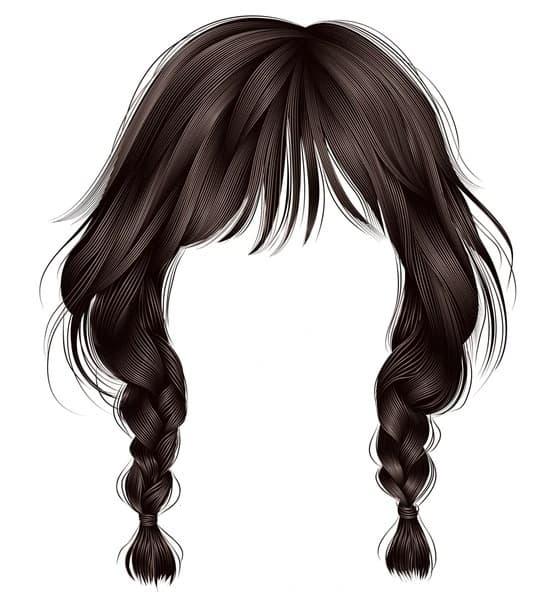
If you are exploring a simple, versatile, and fast way to transform your appearance, the headband wig concept deserves close attention. In this comprehensive guide we walk through creative ideas, practical styling tips, and maintenance secrets that make the headband wig an essential item for anyone who values convenience and style. Whether you are new to wig wearing or a seasoned pro, these techniques will help you refresh your look while preserving hair health and achieving professional finishes every time.
The appeal of the headband wig lies in its effortless installation and its capacity to blend comfort with fashionable finishes. Unlike traditional glued lace fronts, a headband wig rests securely with an integrated elastic and a decorative or plain band. This reduces scalp tension, avoids glue-related irritation, and allows for fast exchanges between styles throughout the week. For women and men seeking low-maintenance elegance, the headband wig delivers on three core promises: speed, variety, and natural appearance.
Choosing a headband wig begins with identifying your lifestyle needs and aesthetic goals. Human hair headband wigs offer realistic texture and allow for heat styling, while high-quality synthetic headband wig units deliver budget-friendly, low-maintenance options with beautiful pre-styled shapes. Consider cap types—stretch caps, adjustable straps, and full caps—and decide how much volume and scalp exposure you prefer. Shorter lengths like bob headband wigs are perfect for a chic, modern vibe; long layers provide romantic, flowing looks.
The secret to a believable finish with a headband wig is treating it like you would a custom style: position, secure, and refine. Start with clean, flat natural hair—braids or wrapped hair are ideal. Place the wig cap or wig over your head, align the band along your desired hairline, and tuck any edges beneath the band so the perimeter looks seamless. Adjust the tension with built-in straps, and if desired, use a thin boar-bristle brush to smooth the band and hair for a snug fit.
For daily wear choose neutral bands or thin braided bands. Tuck a few baby hairs around the forehead for a lived-in look. Use lightweight styling foam or curl-defining cream to enhance natural waves on synthetic blends. For human hair, a few soft curls at the ends create volume without heavy styling.
Opt for sleek finishes: a smooth low pony or a straight lob with a minimalist band in black or dark brown. The headband wig can deliver a polished silhouette that remains office-appropriate while being instantly restyled for after-hours events.
Swap to embellished bands for a glam upgrade. Layered waves or deep side parts pair beautifully with bold bands. Consider adding clip-in fringe or face-framing highlights to emphasize cheekbones under evening lighting.
Changing color with ombre, balayage, or baby-light techniques can instantly modernize any headband wig. If you prefer to avoid chemical processing, select a wig already pre-colored with lived-in tones that mimic natural sun-kissed hair. Cut-wise, a blunt bob with a thick headband reads fresh and youth-forward, while long soft layers with curtain bangs offer a romantic, soft-focus effect.
Understanding face shape helps you match the headband wig style to your best features. For round faces, create vertical lines with longer layers and a center part to elongate the face. For oval faces, most styles suit well, so experiment with dramatic bands and textures. Square faces benefit from soft waves and side parts that soften angles, while heart-shaped faces look great with chin-length bob options and tapered ends that balance a wider forehead.
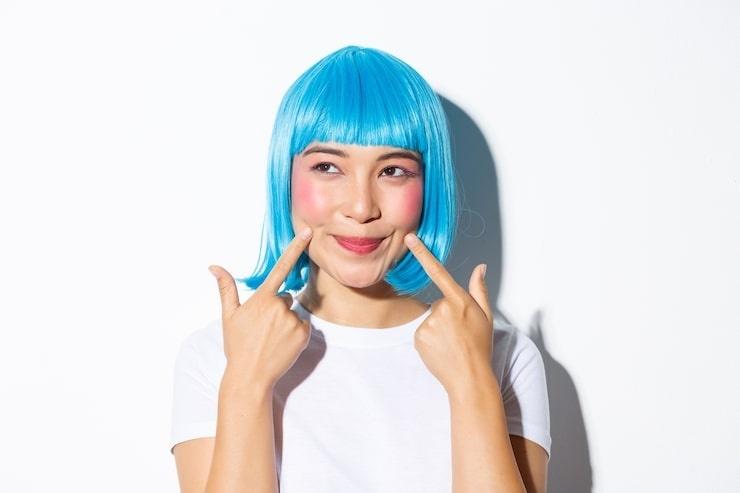
A narrow headband can elongate the face; a wide, padded band adds balance to narrow foreheads and provides a bold fashion statement.
Speed is a major advantage of the headband wig. Learn a few quick techniques that produce pro-level results in minutes: use dry shampoo at the roots to add texture; employ a 1-inch curling iron to create beach waves; use hairpins to secure decorative bands for high-movement activities; and apply a shine serum sparingly to avoid a greasy look under camera lights.
Care routines differ by fiber type, but every headband wig benefits from gentle handling. For human hair, shampoo with sulfate-free products, condition lightly, and deep-condition monthly. For synthetic fibers, use a detangling spray and avoid heat unless the fiber is heat-friendly. Store the wig on a form or soft hanger and shield it from dust with a breathable cover. Rotate between multiple headband wigs to extend longevity.
The band is the personality of a headband wig. Consider a variety of bands: athletic elastic for workouts, silk for sensitive scalps, embellished bands for parties, or hand-knitted options for cozy winter looks. You can also create illusion parts by placing a sheer headpiece or attaching lace inserts at the front for enhanced realism.
In summer choose breathable caps with light bands to avoid overheating. In winter, embrace knitted bands and layered textures for warmth and a seasonal aesthetic. For special events like weddings or festivals, use floral bands, jeweled accents, or metallic threads to complement formal attire.
The headband wig is ideal for travel: pack several bands instead of multiple wigs to create varied looks with one base. Secure the wig in a travel case and bring a mini brush, dry shampoo, and a small spray bottle for on-the-go touch-ups.
Users sometimes worry about slippage, unnatural hairlines, or limited styling. Most concerns are solvable: adjust tension straps for slippage, add a tiny amount of adhesive tape for extra security in performance settings (if you want extra hold), conceal transitions with strategic baby hair styling, and use heat-safe techniques on human hair headband wigs for diverse looks.
For a salon-like finish, consult a stylist to customize the perimeter or to add face-framing layers that enhance realism. A small trim or re-shaping can make a ready-made unit look bespoke.

Prioritize cap comfort, band material, hair density, and return policies. Read reviews focusing on longevity and real-user photos. For first-time buyers, order a neutral color close to your natural shade and choose a moderate density to avoid a bulky look. If color experimentation appeals to you, try temporary clips or extensions first before committing to a permanent dyeing process on human hair units.
The wig industry is increasingly offering sustainable options. Seek out responsibly sourced human hair, recycled synthetic fibers, and manufacturers with transparent supply chains. Extending the life of a headband wig through proper care is both cost-effective and eco-friendly.
Keep a compact kit: a soft-bristle brush, a small bottle of leave-in conditioner, a few spare bands, and a couple of hairpins. In five minutes you can loosen or tighten the band, refresh texture with a finger-comb, adjust the part, and add an accessory to match your outfit. The headband wig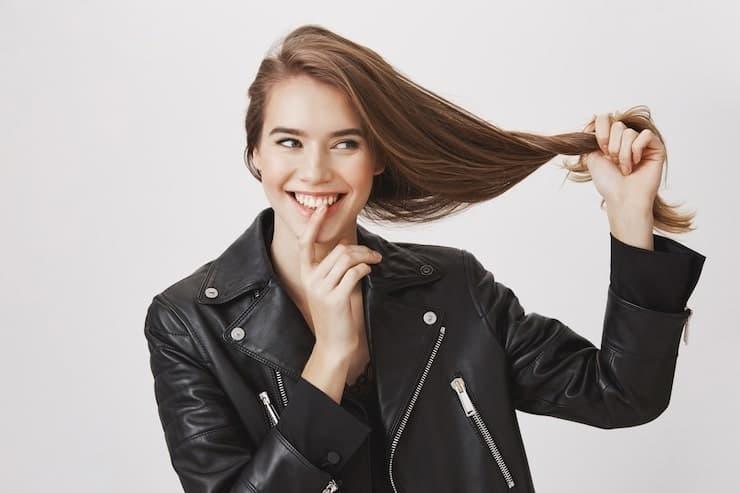 is designed for these quick transformations, making it ideal for modern, dynamic lifestyles where looks need to adapt rapidly.
Rotate bands through different color families to match seasonal wardrobes—neutral, jewel tones, pastels—and you’ll achieve a broader style range without needing a large wig collection.
“A single base unit with multiple bands is like a capsule wardrobe for your hair.”
Follow stylists and wig creators on social platforms for tutorials and real-life demos. Practice on mannequin heads, experiment with bands and parts, and keep a mood board of looks you wish to recreate. The headband wig community is vast and generous with tips for novices and enthusiasts alike.
The headband wig is more than a convenience—it's a flexible tool for self-expression, a guard against hair damage, and an entry point to endless creative looks. Embrace its simplicity, experiment with bands and textures, and adopt smart care routines to keep your units looking fresh and natural. Whatever your schedule or aesthetic, this hybrid of accessory and wig can become a signature element of your personal style.
Longevity depends on materials and care; synthetic units last months with frequent wear, while human hair headband wigs can last a year or more with proper maintenance and rotation.
Only apply heat to human hair or heat-resistant synthetic fibers. Check the manufacturer's guidance to avoid damaging synthetic wigs.
Yes—because many designs avoid glue and use softer bands, they are often more comfortable for sensitive scalps; select breathable caps and soft fabrics for added comfort.