
Glossary: quick reference terms
- Wig
- A slang term used to express being astonished or impressed.
- Snatched
- A compliment indicating something looks very good or impressive.
- Shook
- Surprised or emotionally affected.
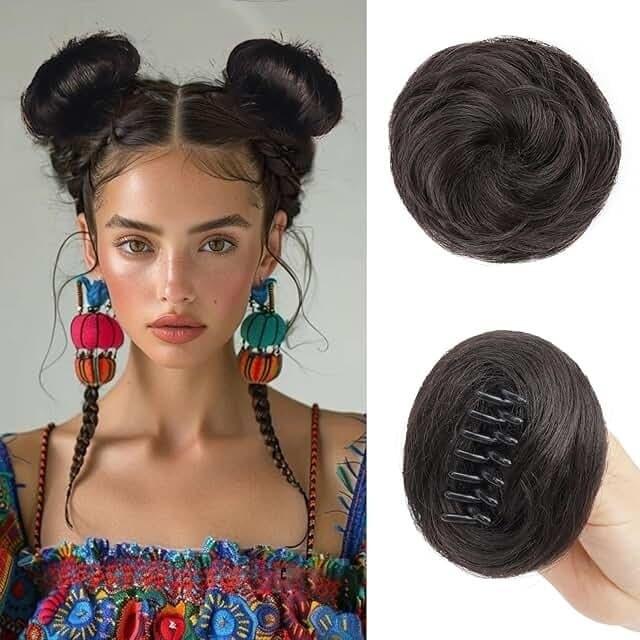
If you've ever scrolled through social feeds or watched short videos and seen someone exclaim that their "wig is snatched" or that something "killed" them, you might wonder what this fuss is about. This guide unpacks the modern slang meaning of a popular metaphor, explores why and how it spread across platforms, and gives clear examples for different contexts so you can confidently use and recognize it. Throughout this article you'll find focused discussion on the key search phrase what does the phrase wig mean and practical notes on tone, register, and cultural nuances.
The simplest answer to what does the phrase wig mean is that "wig" is a metaphorical stand-in for a person's composure, confidence, or sense of identity, especially as it pertains to being surprised, impressed, or emotionally affected. When someone says "wig" or uses expressions like "my wig flew" or "wig snatched," they mean that something was so astonishing, impressive, or shocking that it figuratively knocked off their wig — a playful image of being completely overwhelmed.
The origin of this usage is rooted in Black American Vernacular English (BAVE) and performance culture, where wigs and hair have long held symbolic value. In drag culture and social media, the idea of "losing one's wig" became shorthand for being stunned. As short-video platforms and meme-sharing accelerated, the snippet "wig" distilled into a compact, versatile slang token. If you search "what does the phrase wig mean" you'll find explanations pointing to this migration from specific subcultures into broader internet usage.
what does the phrase wig mean in one line: it's an emphatic, playful way to say "I am blown away" or "that was so good/shocking I was figuratively dislodged."
These variations appear across platforms and registers. In a GIF, meme, or short clip you might just see text overlay that says wig or "wig!" as a reaction. The phrase scales: it can be playful among friends, hyperbolic in reviews, or tongue-in-cheek in commentary.
Tone is essential. Use "wig" when you want to be expressive, dramatic, and informal. Avoid it in formal writing or professional correspondence. Example sentences:
When answering the search for what does the phrase wig mean, keep in mind the social layer: deploying the phrase inappropriately can make the speaker seem performative or out-of-touch. It is often best used by those already familiar with internet slang or within communities where such expressions are normalized.
On TikTok and Twitter/X, "wig" thrives as a quick reaction. The brevity of these platforms suits the one-word response. In comment threads or live streams, users may type "wig" repeatedly or pair it with GIFs for added emphasis. Gen Z, teens, and many young adults have adopted it rapidly, though people across ages who are active online might use it too. So when you see content answering what does the phrase wig mean, expect platform-specific examples.
All these examples help answer the query what does the phrase wig mean by showing real usage rather than a sterile definition.
Other slang phrases convey similar meanings: "mind blown," "shook," "snatched" (which specifically references appearance or style), "slayed," "killed it," and "chef's kiss" for perfection. The nuance: while "mind blown" and "shook" lean toward surprise, "snatched" and "slayed" emphasize aesthetic approval. "Wig" often sits at the intersection—surprise + admiration.
Slang like "wig" is flexible with grammar. Common forms include:
 "Wig!"
Punctuation adds tone. "Wig!" feels punchy; "Wig..." may carry irony. In writing meant to serve SEO for the phrase what does the phrase wig mean, vary your usage and place the key phrase inside tags and natural sentences to balance readability and optimization.
Short, vivid, and evocative, "wig" compresses a complex emotional reaction into one easy token. It also draws on imagery (wigs flying off) that is instantly visual and slightly humorous. Viral slang tends to be memetic: easy to repeat, adaptable, and visually resonant. When answering queries like what does the phrase wig mean, highlight this memetic quality to explain the phrase's longevity and spread.
Because "wig" has roots in Black and drag cultures, it's important to use it respectfully. Avoid appropriative or mocking tones. Speak and write with awareness: if you're explaining what does the phrase wig mean, acknowledge origins and avoid claiming invention. Respectful citation of origins helps provide context and signals cultural sensitivity.
New learners sometimes take "wig" literally, or misapply it in formal contexts. Other mistakes include overuse (which dilutes impact) and using it in ways that erase its cultural roots. Clarify the meaning when necessary: a quick parenthetical—"wig (slang for being astonished or impressed)"—can save confusion.
For content creators and community managers, including the target phrase what does the phrase wig mean multiple times is useful for search relevance, but it must read naturally. Aim for a keyword density that supports clarity: mention the phrase in the opening paragraph, a subheading, and a couple of times in the body. Use and tags sparingly to emphasize the key phrase. Add synonyms in surrounding text so search engines understand the semantic field: "wig slang," "wig snatched meaning," "wig reaction GIF," and "wig TikTok" are helpful related terms.
Also include practical examples and Q&A sections—these increase dwell time and answer user intent more comprehensively. Multimedia elements like embedded videos and images (when applicable) further enrich the page for users and improve SEO signals.
Imagine different situations where you might hear or say the phrase: at a concert when a singer drops a surprise guest; in a group chat when a friend reveals a dramatic life update; or in the comments below a stunning makeup tutorial. In each case, the phrase captures the shock-plus-admiration reaction in a compact way. Role-play example: "You: 'Did you see that finale?' Friend: 'Wig.' You: 'Exactly.'"
Don't use "wig" in academic writing, legal documents, professional emails, or anywhere that requires formal tone. Also avoid using it to mock or belittle groups whose cultural styles it references. If you are uncertain about acceptability in a mixed or unfamiliar audience, opt for "astonished" or "impressed" instead.
When scanning posts to interpret the word, check for:
These signals help you infer whether "wig" is praise, shock, or ironic commentary.
Use this checklist when creating content or teaching others about the phrase to ensure clarity and cultural respect, and to optimize for searches asking exactly what does the phrase wig mean.
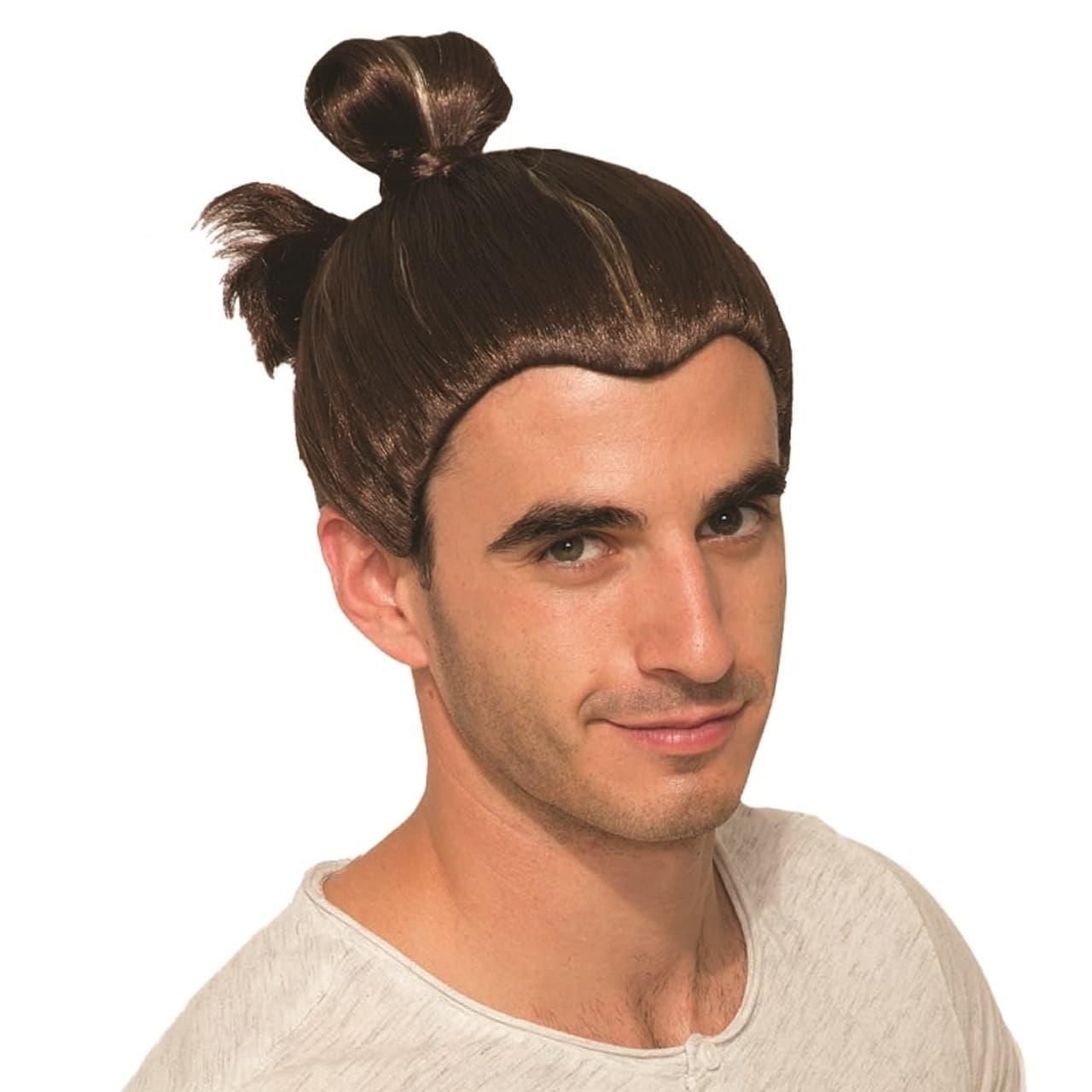 If you're writing web content, remember that searchers asking what does the phrase wig mean often want quick definitions, example sentences, and social context. Structure your page with headings, short paragraphs, and lists to improve readability and SEO.
Slang evolves, and "wig" is an excellent example of a compact expression that conveys layered meaning: surprise, admiration, humor, and social belonging. If you want to use it, do so playfully but considerately. When explaining what does the phrase wig mean, offer examples, acknowledge origins, and provide alternatives for formal settings.
Thank you for reading this in-depth guide. With this knowledge you'll be able to decode reactions online, use the term appropriately among friends, and craft content that ranks for queries like what does the phrase wig mean without sounding forced or repetitive.