Understanding the lifecycle of a human hair piece starts with a single question that many buyers, stylists and curious minds ask: how are human hair wigs made? This guide dives into sourcing, manufacturing methods, construction styles, quality control, finishing techniques and styling practices so you can evaluate, purchase and maintain premium units with confidence. The process spans raw-material ethics, sorting, processing, construction technology, customization and long-term care — each stage influencing longevity, appearance and value.
Before any machine or hand technique is applied, understanding where the hair originates is crucial. Suppliers collect strands from salons, temples, or donation programs. Popular categories include Remy, non-Remy, virgin and raw hair. Remy hair retains cuticle alignment in one direction and is prized for minimal tangling. Virgin and raw hair have not been chemically processed. Regions known for high-quality supply include India, Southeast Asia, Eastern Europe and Brazil. Ethical sourcing policies, traceability and batch documentation are now standard for premium producers and influence the final label.
After collection, hair is graded by length, texture, color and cuticle condition. Grade labels (e.g., 6A–10A) or proprietary tiers are applied. Sorting is either manual or semi-automated: technicians align strands, remove damaged bits, and group hair by diameter and elasticity. These early decisions determine whether strands will be made into wefts, lace fronts, or full-lace pieces.
Raw hair undergoes a multi-step cleaning routine: an initial soak to remove oils and residues, gentle shampoo cycles, and deep conditioning treatments to restore flexibility. For many finishes, bleaching knots and color matching are essential. Salons and manufacturers use controlled bleaching baths and dyes; high-quality shops measure porosity and elasticity to avoid over-processing. Color is matched to standard swatches or custom-dyed to meet client specifications. Note that any chemical treatment can affect fiber strength and longevity.
Bleaching is applied when the manufacturer wants a translucent scalp effect at the knots. Skilled technicians bleach knots to reduce stark black dots at rooting points, then tone the bleached knots to avoid brassy hues. This is especially common in lace-front and full-lace units designed for realistic parting.
The core decision in construction is whether fiber anchoring is manual or mechanical. Each method yields different movement, density and hairline realism.
Hand-tied units involve knotting individual strands into a lace or monofilament base. This technique gives the most natural movement and looks like hair growing directly from the scalp. Skilled artisans tie thousands of knots per piece, varying knot size, direction and density to mimic natural growth. The hand-tied approach is labor-intensive and often used for custom, high-end prostheses and luxury wigs.
Wefted wigs use sewn-together strips of hair attached to an elastic or fabric cap. Machines can rapidly produce consistent, secure wefts. This method is cost-effective, produces less shedding when done correctly, and is ideal for styles that benefit from volume and quick production. Machine wefts are commonly used in ready-to-wear units and extensions.
Lace-front pieces use sheer lace at the hairline for a realistic edge, while the remainder of the cap is constructed with sturdier materials or wefts. Full-lace wigs have a full-sheen lace base, allowing versatile parting and up-dos. Lace type (Swiss vs French lace), lace color and ventilation density impact comfort and realism.
Monofilament caps use a breathable mesh with individual strands tied into the mesh, providing a natural scalp illusion. Skin-top units replicate shaved scalp with polyurethane patches, creating the impression of hair emerging from skin; they allow adhesive bonding for secure wear.
Ventilation refers to how hair is knotted into the cap. Natural density profiles mimic real hair: lighter density at hairline, medium density through midscalp, fuller at the crown if desired. Cap styles include adjustable straps, combs, elastic bands and custom measurements. Professionals decide cap stretchability, ear tabs, nape design and breathable zones to balance fit and thermal comfort.
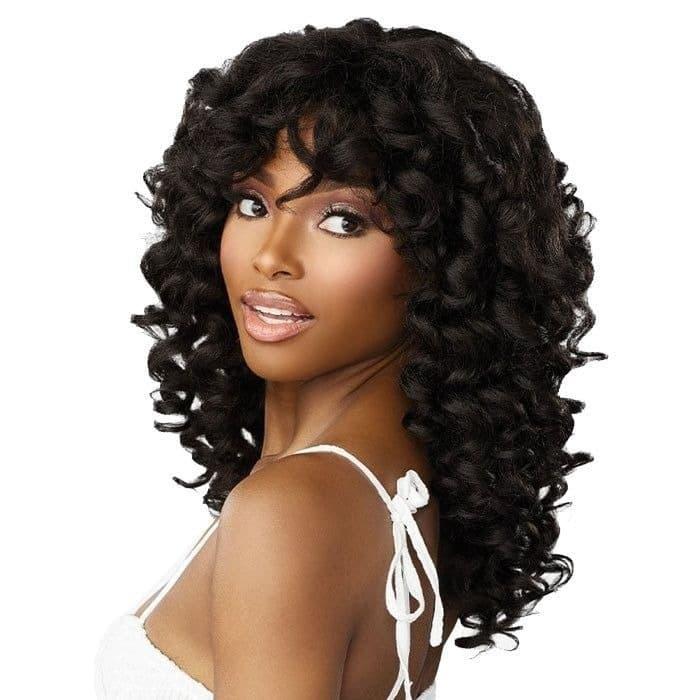
Medical-grade units often include soft edges, hypoallergenic materials and specific cap anchoring systems. For theatrical uses, heavier base materials and reinforced wefts may be chosen for repeated styling and attachment needs.
Knotting technique affects longevity and naturalness. Single knots are small and less detectable; double knots are more secure but slightly more visible. Bleached knots, as noted, reduce the visibility of dark roots on light lace. Directional knotting is used to create natural cowlicks and growth patterns. Expert technicians simulate baby hairs and irregular densities to avoid a "too perfect" look.
Machine-made units offer affordability and uniformity. Hand-tied units are time-consuming and expensive but often more realistic and comfortable. Durability depends on cap construction, adhesive interfaces, and how hair is anchored. For longevity, full-lace hand-tied units made with virgin human hair are the gold standard.
After construction, the piece is rinsed, conditioned, and styled. Skilled stylists cut layering, customize the hairline, and add baby hairs if requested. Quality inspectors test tensile strength of knots, shedding rate, cap stretch, lace integrity and color consistency. Each unit often receives a final photographic and documentation pass before shipping.
Premium suppliers track batch numbers, origin certificates and processing logs. Proper packaging reduces deformation: pieces are often packed on mannequins, in breathable mesh bags, and with silica packs to control moisture. Traceability helps brands substantiate claims such as "single donor" or "Remy" and supports ethical sourcing narratives important for modern shoppers.
How a unit is cared for dramatically affects lifespan. Recommendations generally include gentle sulfate-free shampoos, deep conditioning, limited heat exposure, and proper storage (on a stand). Color-treated hair needs UV protection and occasional gloss treatments. Regular detangling with wide-tooth combs and periodic professional resets (re-knots, reconditioning) extend service life.
Using leave-in conditioners, silk pillowcases, and protective styles reduces friction and breakage. Avoid heavy oils at the knot area to prevent loosening. When applying adhesives or tapes, ensure adhesives are compatible with the lace and skin to prevent damage.
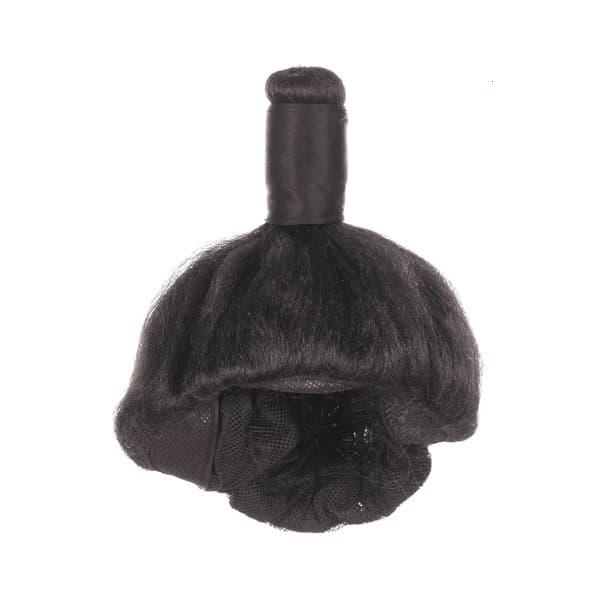
Custom color blends, balayage, highlights and lowlighting are possible on virgin hair. Experienced colorists know how to test a sample strand to predict porosity and final color. Heat styling tools should be used with protective sprays and at moderated temperatures. Permanent chemical processes like perms or relaxers will alter the hair’s structure and are usually discouraged for units intended for long-term wear.
Price is influenced by raw hair grade, sourcing rarity, hand-labor hours, cap materials and finishing details. High-grade virgin hair hand-tied into a full-lace cap with natural density and custom coloring commands a high price. Machine wefted units with synthetic blends are far less expensive but look and behave differently.

Increasingly, brands emphasize donor consent, fair compensation, and transparent supply chains. Recycling programs, biodegradable packaging, and lower-impact chemical processes are becoming selling points. Customers can ask for documentation or certifications that validate sourcing and environmental claims.
Stylists should evaluate cap fit, ventilation, knotting quality, and compatibility with adhesives. A quick tug test of a few strands near the nape will give a rough shedding estimate — a small amount is normal, but excessive loss indicates poor anchoring.
Myth: Expensive always means better. Reality: Price correlates with many factors, but poor sourcing or bad construction can skew value. Myth: All Remy hair is the same. Reality: Remy is a category; how hair is washed, dyed and processed differentiates quality. Myth: Synthetic blends are low maintenance. Reality: Synthetics look lower-maintenance but cannot be heat-styled like human hair and age differently.
The pathway from raw hair to a wearable unit involves sourcing, sorting, processing, construction, finishing and aftercare. The question how are human hair wigs made encapsulates a complex chain of decisions that impact realism, durability and price. Buyers who understand materials, knotting styles, lace options and maintenance responsibilities are better positioned to select a product that meets their goals.
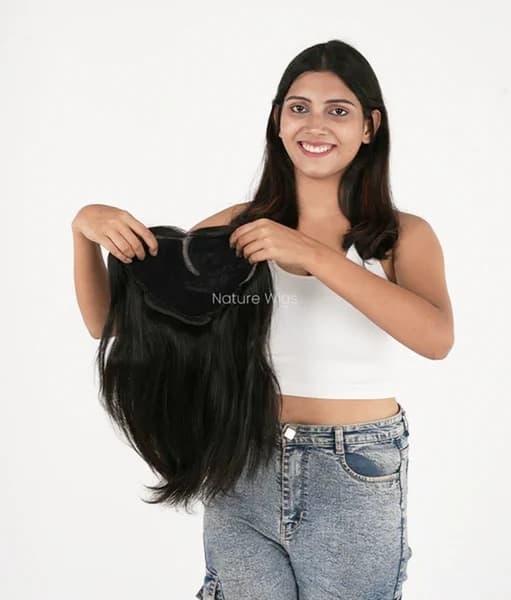
Whether you're a first-time buyer or an industry professional, learning about sourcing, construction and finishing gives you the tools to evaluate claims and pick the best option for your needs. The craftsmanship behind a premium unit is a blend of ethical sourcing, skilled labor and modern techniques — all answering the underlying consumer question of how are human hair wigs made in practical terms.
Custom labs now offer microscopic cuticle analysis, tensile strength testing and porosity profiling to create bespoke dye and conditioning protocols. For performers and athletes, reinforced cap options and secure bonding systems can be integrated during manufacture. Emerging technologies include laser-cut lace, 3D-knit caps and hybrid constructions that mix hand-tied fronts with machine wefted bodies to balance realism and cost.
Rotate units to minimize wear, use protein treatments sparingly, and consult a professional for major alterations. Always test adhesives and removal agents on a small patch of lace to prevent discoloration or degradation.
How this knowledge helps youBy dissecting the stages behind each piece, you can make educated choices whether sourcing for retail, building a bespoke unit for a client, or caring for a personal investment. Repeat these evaluation steps when comparing offers: origin transparency, construction photos, capped materials and post-sale policies separate reputable makers from less reliable options.
Pro tip: Realistic longevity depends as much on daily routine as on initial construction.
If you retain this framework and keep the core question of how are human hair wigs made in mind, you'll improve both selection and care outcomes. This knowledge empowers better investment, safer use and greater satisfaction with the final look.