
Comprehensive guide to choosing and managing a natural-looking pubic wig
A realistic intimate hairpiece can be transformative, whether you need one for medical reasons, theatrical work, fashion experiments, or personal preference. This long-form guide focuses on practical advice to help you select, style, apply, and maintain a piece that looks and feels like natural hair. Throughout this article you will find clear product-selection strategies, step-by-step styling techniques, upkeep routines, and solutions to common concerns — all structured to boost your confidence and help search engines identify this page as a relevant resource for the term pubic wig.
What is a pubic wig and why consider one?
In plain terms, a pubic wig is an artificial hairpiece designed to mimic the appearance and texture of pubic hair. These pieces range from small patch-style units to full-coverage systems, and they can be made from human hair, high-quality synthetic fibers, or silicone-backed constructions. People choose them for many reasons: to restore a natural silhouette after medical hair loss, to experiment with shape and density without committing to permanent grooming choices, to achieve a specific aesthetic for film and stage, or to conceal scarring or untreated regrowth. Knowing the purpose of your purchase will directly influence fabric, base type, and attachment method.
Key criteria when shopping for a lifelike unit
1. Material matters: human hair vs. synthetic
Human-hair pubic wig units offer the most realistic texture and can be heat-styled, colored, and blended with your existing hair. They generally cost more and require similar maintenance to regular human hair products. High-grade synthetic fibers have improved vastly and can look very convincing at a lower price point and with less day-to-day care; however, they often cannot withstand high heat or aggressive coloring. Specialty silicone or polyurethane bases can add skin-like edges and weight for realism, but they require careful adhesive selection.
2. Base type and breathability
The foundation of the hairpiece is crucial. Lace bases provide breathability and a soft, feathered edge that mimics natural hair growth. Monofilament and hand-tied bases give single-hair realism and natural parting. Solid skin or silicone bases offer a smooth, skin-like appearance and can be ideal for close-up photography, but they may trap heat and require special cleaning and adhesives. When selecting a base, consider the balance between comfort, realism, and intended wear time.
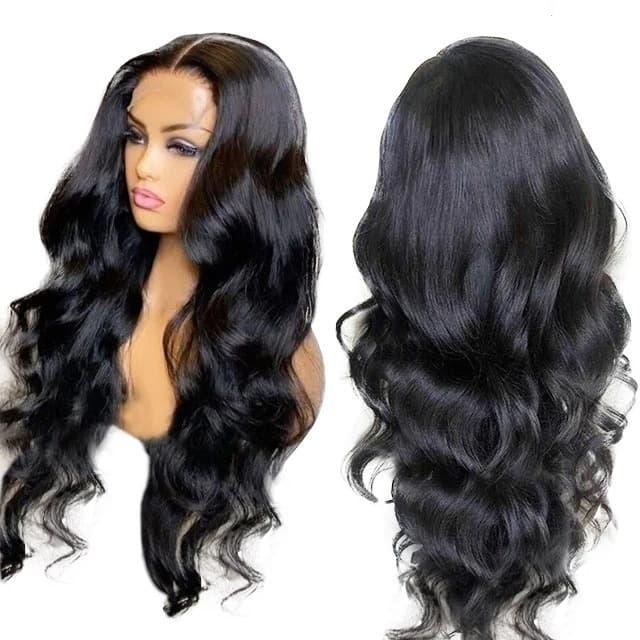
3. Color, texture and density matching
To achieve a seamless integration, match the color tone (not necessarily an exact match) and the curl pattern or wave of your surrounding hair. Many sellers provide swatches or sample photos; order samples if possible. Density is about both the quantity of hair and the visual weight; if the piece is too dense it can look unnatural, too sparse and it won’t provide desired coverage. Most experts recommend starting with medium density for the most adaptable option.
4. Shape, size and customization options
Some units come in pre-styled shapes—triangle, feminine soft heart, square, or customized sculpted contours. A pre-shaped unit saves time but might need trimming for the best fit. Custom-made systems are tailored to your measurements and offer the best fit, especially if you have asymmetry, scarring, or specific coverage needs.
Application and fitting: step-by-step considerations
Proper application influences both comfort and visual authenticity. Follow these steps for a reliable result:
- Measure carefully: take width, height, and curvature measurements while in a normal, relaxed position. When in doubt, add a small safety margin to trim later.
- Skin preparation: clean, exfoliate gently, and remove oils with an alcohol-based or medical-grade prep solution. For sensitive skin, choose a hypoallergenic prep and do a patch test.
- Choose the adhesive method: double-sided medical tape is ideal for shorter-term wear; liquid skin-safe adhesives (cyanoacrylate-based or water-based medical adhesives) suit longer wear; silicone adhesives may work with silicone-backed bases. Always follow manufacturer instructions and patch-test adhesives 48 hours before full application.
- Trim and test-fit: trim edges and any excess base material to match contours and avoid lifting. Test placement multiple times before applying adhesive to ensure symmetry and comfort.
- Apply gently: press the base into place from one side to the other to avoid air bubbles and creases. Secure edges firmly and allow adhesives to cure as directed.
Styling techniques to enhance naturalism
Styling is where a realistic effect truly appears. Techniques used by wig stylists for scalp wigs translate well when applied thoughtfully to intimate units.
- Directional hair growth: Map the natural direction of growth in the surrounding area and align the hairpiece accordingly. Individual hairs should follow the same curvature and lay.
- Layering and blending:
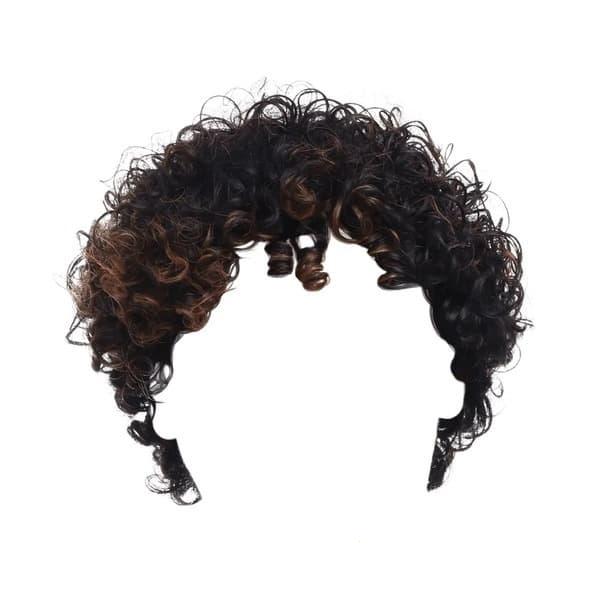 Use thinning shears and a razor to create tapered edges; avoid blunt cuts that reveal the base. Blending the junction by thinning only a few hairs at a time preserves density while softening the transition.
 - Creating baby hairs and feathered edges: Small, fine hairs along the perimeter create a softer, more convincing border. These can be hand-tied in custom units or created by micro-trimming a human-hair piece.
- Subtle shaping: Use trimming techniques similar to eyebrow or mustache shaping—sculpt small sections and refer to reference images for natural patterns.
- Temporary color adjustments: For slight tone shifts, color-depositing conditioners, temporary mascara sticks for hair, or low-temperature dye pens can add depth without compromising the piece. Avoid aggressive bleaching unless you own human-hair pieces and are experienced with chemical treatments.

Daily care and cleaning routines
Regular maintenance extends the lifespan and keeps the piece hygienic.
Washing protocol
Use lukewarm water and a gentle, sulfate-free cleanser designed for wigs or delicate hair. For human-hair units, use a hydrating shampoo and a lightweight, protein-balanced conditioner. Work the product gently into the hair without rubbing the base aggressively; instead, let the water flow in the aligned direction of the hairs to prevent tangling. Rinse thoroughly and blot with a towel—never wring or twist. For synthetic fibers, use products labeled for synthetic hair to maintain fiber memory.
Drying and reshaping
Air dry whenever possible by laying the piece flat on a breathable towel or mesh drying rack. Avoid direct heat. If heat styling is necessary for human-hair pieces, use a low-to-medium temperature and test on an inconspicuous area first. Reshape edges while damp with a soft toothbrush or wide-tooth comb to maintain natural lay.
Sanitization and odor control
For intimate wear, hygiene is paramount. Use a gentle antiseptic spray or a dilution of isopropyl alcohol (where safe for the base) applied sparingly to the base to disinfect. Avoid saturating the piece in strong chemicals which can degrade adhesives and fiber. For odor control, light spritzes of fabric-safe deodorizing sprays or placing the piece in a breathable bag with a sachet of activated charcoal can help between washes.
Storage and transport
Proper storage preserves shape and prevents dust accumulation. Store on a low-profile foam form or in a breathable fabric pouch. For travel, use a structured travel case to avoid crushing the piece. Keep adhesives, tapes, and emergency tools (small scissors, tweezers, adhesive remover pads) in a separate small kit so you can handle quick fixes discreetly.
Extending lifespan and troubleshooting
Shedding and thinning
Some shedding is normal, especially with hand-tied units. Gentle detangling and cold-water rinses reduce hair loss. If excessive shedding occurs, assess the base attachment method and avoid pulling or aggressive combing near knots. Professional re-knotting services can repair hand-tied pieces when necessary.
Discoloration and staining
Exposure to oils, lotions, and sweat can darken the base or matt fibers. Regular gentle cleansing and using oil-control primers on the skin before application reduce staining. For stained bases, mild enzymatic cleaners can lift residues, but test first. For permanent discoloration, consider professional base replacement or recoloring by a specialist.
Edge lifting and adhesive failure
Edge lift often responds to reapplication of a thin adhesive bead and light pressure. For persistent lift, check for skin oils that undermine adhesion—ensure robust skin prep. Consider switching to a different adhesive system (e.g., from tape to liquid adhesive) that better suits skin type and activity level.
Safety and skin considerations
Consult a dermatologist for a patch test if you have a history of contact dermatitis or skin sensitivity. Choose hypoallergenic, medical-grade adhesives for sensitive skin and remove the piece gently using adhesive removers formulated to dissolve the specific glue used. Never forcibly peel a bonded unit; solvents and time will reduce trauma.
Customization and professional services
When in doubt, seek a professional wigmaker or prosthetic technician. Services range from base customization and lace tinting to density adjustment and hand-knotted hair insertion. A professional can also create baby hair and pre-tapered edges that significantly enhance the lifelike appearance. Compare portfolios and read reviews to find reputable specialists.
Costs and value considerations
Prices vary widely. Off-the-shelf synthetic pieces can be the most economical, while bespoke human-hair systems with hand-tied bases command higher prices. Consider total ownership cost: initial purchase, maintenance products, adhesives, and potential professional service fees. A mid-range human-hair unit with proper care often provides the best balance between realism and durability.
Sizing your purchase checklist
- Confirm material: human hair or synthetic?
- Choose base type: lace, monofilament, foam, silicone, or mixed.
- Measure surface area and curvature for a snug fit.
- Decide on density and color with swatches or photos.
- Plan for adhesives and prep materials; test them first.
- Budget for at least one professional trim or shaping session if desired.
Common mistakes and how to avoid them
Rushing application, skipping adhesive patch tests, over-thinning at first pass, and using incompatible cleaners are frequent errors. Take time to prep, practice placement techniques on an unglued piece, and keep a small repair kit handy for quick adjustments. If you're experimenting with styling tools or dyes, always test on a small inconspicuous section.
Styling tools and products that help
Relevant tools include: stainless-steel scissors, thinning shears, a small comb set, a soft toothbrush for edging, wig-safe heat tools for human-hair units, a low-heat steamer for reshaping, delicate detergent, conditioning masks, non-greasy styling creams, and medical-grade adhesive removers. Choose non-comedogenic and sulfate-free products to keep both skin and hairpiece in good condition. When in doubt, search for products labeled for wig or prosthetic care.
How to achieve the most natural silhouette
Nature is rarely perfectly symmetrical or uniformly dense. Embrace subtle irregularities: slightly tapered edges, fewer hairs closer to the perimeter, and directionally consistent growth. Use contrast—lighter strands or a few finer hairs near the edge can mimic younger hair or natural regrowth. Keep the overall look realistic by resisting the urge to over-manipulate; small, incremental changes produce the best outcome.
When to consult a professional
Seek expert help if you need precise color-matching, have significant scarring, require long-term daily wear solutions, or want a custom unit tailored to unusual measurements. A specialist will also help with adhesives for sensitive skin and advise on restoration for aged bases or heavy staining.
Environmental and lifestyle considerations
Active lifestyles, humid climates, and frequent bathing or swimming affect adhesive selection and maintenance frequency. For swimmers, consult adhesives rated for water exposure and invest in silicone bases or systems specifically designed for aquatic activities. People with heavy sweating may need more frequent cleansing and adhesive refresh cycles.
Evaluating vendor reputation
Reputable vendors provide clear size guides, material lists, high-resolution photos, and customer reviews with before-and-after images. Return policies, repair warranties, and transparent shipping times are important quality indicators. Avoid sellers who refuse to provide base details or hide construction methods in vague descriptions.
Final styling checklist before first public wear
- Confirm fit and symmetry in a mirror and seated or standing positions.
- Walk, sit, and make small movements to ensure adhesive security and comfort.
- Check edges in different lighting to confirm seamless blending.
- Pack an emergency kit: extra tape, adhesive, small scissors, and wipes.
- Allow enough time for removal and adhesive cleanup after initial wear to avoid skin irritation.
Summary: balancing realism with practicality
Choosing the right pubic wig is about balancing realism, comfort, budget, and lifestyle needs. Invest time in measuring, choosing materials, and learning basic styling and maintenance. Small professional touch-ups can elevate a good unit into a lifelike result. With proper care and realistic expectations, a well-selected intimate hairpiece can restore confidence, complete a costume, or provide a temporary change without committing to permanent alterations.
Additional tips for long-term confidence
- Keep a maintenance calendar for adhesive refreshes and deep cleans.
- Rotate between two similar units to extend lifespan and allow full drying cycles.
- Document your preferred fit and styling notes for easier reorders.
Frequently Asked Questions
Q: Are pubic wig units safe for daily wear?
A: Yes, when used with medical-grade adhesives and proper skin prep. Start with short wear sessions to test skin tolerance and consult a dermatologist for sensitive skin concerns.
Q: Can I swim with a hairpiece?
A: Some bases and adhesives are rated for water resistance. Choose waterproof tapes or silicone systems and ensure a secure bond; however, frequent exposure to chlorinated or salt water accelerates wear and may require more frequent maintenance.
Q: How often should I replace my piece?
A: Replacement depends on material and usage. Synthetic pieces may last several months with moderate use; human-hair units can last a year or longer with careful maintenance and periodic professional servicing.
Q: Is coloring or heat styling safe?
A: Human-hair units can be colored and heat-styled cautiously; always perform strand tests and consider professional coloring. Most synthetics will not tolerate high heat and can melt or lose their memory with harsh chemicals.