Home > Article > Blog

what can i use instead of a wig cap 13 Practical Alternatives and DIY Hacks for Secure Comfortable Natural-Looking Wigs

Time:2026-02-09 Click:

Practical alternatives when wondering what can i use instead of a wig cap

If you are researching options because you asked yourself what can i use instead of a wig cap and want solutions that are comfortable, secure, and natural-looking, this comprehensive guide will walk you through 13 practical alternatives and a set of do-it-yourself hacks. Whether you're managing sensitive skin, have limited supplies, or simply prefer a different approach to wig install, these alternatives cover varying budgets, hair types, and styling needs. Read on for step-by-step tips, product suggestions, and troubleshooting insights to help make your wig experience easier and more confident.

Why consider alternatives to a standard wig cap?

Traditional wig caps work well for many people, but they aren't perfect. Issues like itchiness, heat buildup, difficulty accommodating thick or curly hair, hairline visibility, or allergy to materials may prompt you to ask: what can i use instead of a wig cap? Alternatives can offer breathability, added hold, smoother blending, or a gentler option for fragile edges. Choosing the right substitute helps achieve a natural look without compromising scalp comfort.

Key factors to evaluate before choosing

  • Hair volume and texture: Do you have short, long, straight, curly, or thick hair? This changes which alternative will sit best.
  • Scalp sensitivity: Hypoallergenic materials or soft fabrics reduce irritation.
  • Security needs: Are you active, or need a wig to stay put all day?
  • Visibility and realism: Do you need a natural hairline or lace-friendly base?
  • Budget and DIY willingness: Ready to craft a solution or prefer an off-the-shelf option?

13 practical alternatives and when to use them

  1. Silk or satin scarf/bonnet: A silk or satin scarf wrapped and tied snugly protects hair from friction and can be worn thinly beneath a wig for smoothness. Particularly helpful for preventing frizz and preserving natural hair oils. For those asking what can i use instead of a wig cap to reduce bulk and increase comfort, silk is top-rated.
  2. Stretch mesh headband (wig grip): A specialized non-slip band sticks to skin and grips the wig, acting as a cap alternative that secures without compressing hair. Great for everyday wear and active lifestyles.
  3. Thin breathable stocking or nylon repair: A section of sheer stocking or hosiery stretched over the head mimics a wig cap's hold while being very low profile. Use a double layer for smoother edges.
  4. Soft cotton skullcap: Lightweight cotton caps are breathable and gentle. They work well for sensitive scalps but may need anti-slip treatment like wig tape for extra hold.
  5. Headband + bobby pins method: Create a base by pulling hair back, placing a wide headband, then pinning the wig to the headband. This avoids a full cap and is ideal for partial wigs or toppers.
  6. Lace Front Tape with adhesive liner: For lace wigs, a thin adhesive liner or pre-cut lace strips can replace a cap by creating a secure base directly on the skin, yielding realistic hairlines and minimal bulk.
  7. Elastic bonnet with built-in grip: These bonnets are like a hybrid between a cap and a wig grip. The elastic edge conforms to the hairline and often uses silicone strips to increase traction.
  8. Microfiber towel wrap: For short-term use, a microfiber wrap absorbs moisture and smooths the hair, letting a wig sit more naturally — useful after washing or styling.
  9. DIY fabric panel sewn from an old T-shirt: Cut a small, breathable panel from a soft cotton tee and stitch an elastic edge. This low-cost hack yields a soft, custom-fitting liner.
  10. Silicone gel strips or pads: Applied around the perimeter of the scalp, these help secure a wig without covering the hair, making them a discreet alternative for those who dislike caps.
  11. Wire-free headwrap with ties: A wrap that ties under the wig can stabilize heavier wigs during movement while not trapping heat the way full caps may.
  12. Wig bands with foam cushioning: Bands with built-in foam create a buffer that both lifts the wig slightly for airflow and reduces pressure on the scalp.
  13. Flat cornrows or small braids + thin net: For people with longer hair, braiding close to the scalp and using a thin net over the braids creates a low-profile, flat surface for wig application without a bulky cap.

DIY hacks: creative low-cost fixes

Not everyone wants to buy specialized products. Some clever do-it-yourself approaches answer what can i use instead of a wig cap in a pinch:
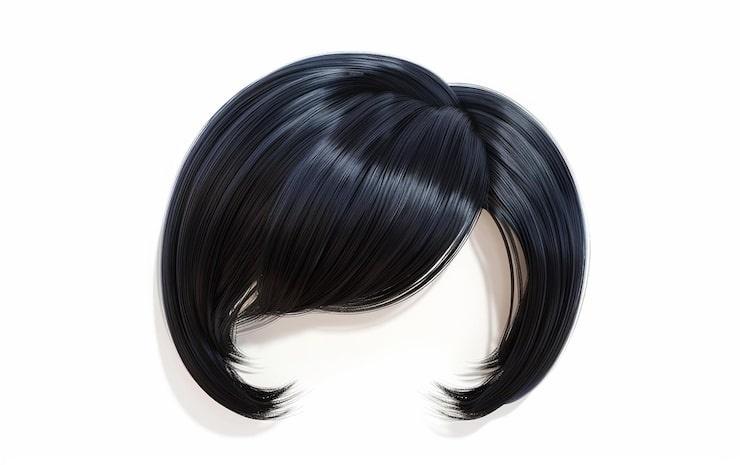
what can i use instead of a wig cap 13 Practical Alternatives and DIY Hacks for Secure Comfortable Natural-Looking Wigs

DIY nylon liner from stockings

Cut the foot off a sheer stocking and stretch it over your head like a thin sleeve. Tuck hair carefully, double layer if needed for opacity, and trim excess. This method is compact and nearly invisible under most wigs.

T-shirt skullcap

Cut a circle from a soft T-shirt and sew an elastic band around the edge to create a breathable, comfortable liner. This is ideal when you want cotton next to sensitive skin.

Silk scarf knot method

Place a square silk scarf over hair, tie at the nape into a flat knot, then wrap the wig over it. This reduces friction and adds a luxury feel that preserves textures like curls.

How to choose the best substitute for your routine

Answer these questions:

  • Do I need maximum hold or maximum breathability?
  • Is scalp protection from adhesives a priority?
  • Am I wearing lace front or full cap wig?
  • How long will I wear the wig each day?
what can i use instead of a wig cap 13 Practical Alternatives and DIY Hacks for Secure Comfortable Natural-Looking Wigs

Match your priority with the list above: choose silk or cotton for comfort, wig grips or tape for security, stocking or mesh for low visibility, and braids for a flat, secure base.

Step-by-step application tips for a natural-looking install

1. Prepare hair: smooth and secure with braids, low bun, or a soft wrap.
2. Apply the chosen substitute: for scarves or stockings, tuck edges neatly at the nape.
3. Use anti-slip measures: wig tape, silicone strips, or a wig grip help prevent shifting.
4. Position wig and adjust ear tabs and hairline for a natural look.
5. Blend edges: use a bit of powder or foundation along the hairline if needed to reduce contrast.
6. Security check: perform light movement to ensure stability and re-secure as needed.

Troubleshooting common issues

  • Itch or irritation: Try switching to silk or cotton and avoid adhesives on inflamed skin.
  • Wig shifting: Add a wig grip, silicone strip, or small discreet clips.
  • Visible hairline: Use a thinner liner like stocking or lace tape and blend with makeup.
  • Bulkiness: Opt for flat braids or a thin mesh instead of a full cap.
Maintenance tip: always clean and air dry any fabric liners or scarves between wears. Oils and product buildup reduce breathability and can weaken adhesives over time.

Best alternatives by situation

For sports or high movement: choose a silicone wig grip or an elastic bonnet with grip.
For heat or long wear: prioritize breathable cotton or silk. For hair preservation: silk or satin is optimal. For realistic lace installs: use adhesive liners or stocking substitutes coupled with tape for the hairline.

Where to buy or what to look for

Look for "wig grip band," "silk wig liner," "lace tape," "sheer wig liner," or "silicone wig strips" from reputable wig suppliers, beauty retailers, or marketplaces. Read reviews and check materials—hypoallergenic and breathable fabrics score higher for comfort.

Environmental and cost considerations

DIY options like repurposed T-shirts or stockings are eco-friendly and budget-friendly. Higher-end silk options cost more but last longer with proper care. Silicone and adhesive products have different lifespans—replace them as the grip or tackiness fades.

Final recommendations

As you compare answers to what can i use instead of a wig cap, think about comfort, security, and how natural you want the finished look to be. For many people, a hybrid approach works best: a thin stocking or silk liner for smoothness, plus a wig grip or tape for hold. Experiment with one or two methods to find the combination that fits your lifestyle.

Quick summary

13 alternatives include silk/satin scarves, wig grips, stockings, cotton skullcaps, headbands with pins, adhesive liners, elastic bonnets, microfiber wraps, DIY T-shirt caps, silicone strips, tie wraps, foam-cushioned bands, and braided bases. Each has pros and cons depending on hair type and priorities.

By considering function and comfort, you'll discover practical answers to the question what can i use instead of a wig cap that keep your wig secure, natural-looking, and comfortable all day long.

FAQ

Q: Can I use a stocking instead of a wig cap for lace wigs?

what can i use instead of a wig cap 13 Practical Alternatives and DIY Hacks for Secure Comfortable Natural-Looking Wigs

A: Yes, a thin stocking or sheer nylon can act as a low-profile base under a lace wig. It helps with smoothing and provides a barrier between adhesive and hair, but make sure it is thin enough not to interfere with lace transparency.

Q: Are silk scarves better than wig caps for sensitive scalps?

A: Silk or satin scarves are often gentler on sensitive scalps and help reduce friction and irritation. Pair with a wig grip if extra hold is needed.

Q: How do I keep a wig secure without a cap?

A: Use a combination of a non-slip wig band, wig tape, discreet clips, or silicone strips along the perimeter. Proper braiding or a flat base also improves security.

Q: Is it okay to wear DIY liners daily?

A: Yes, but maintain hygiene—wash the liners regularly and replace elastic or adhesive parts as they wear out to avoid scalp problems.

Home
Products
Shopping Cart
Member Center