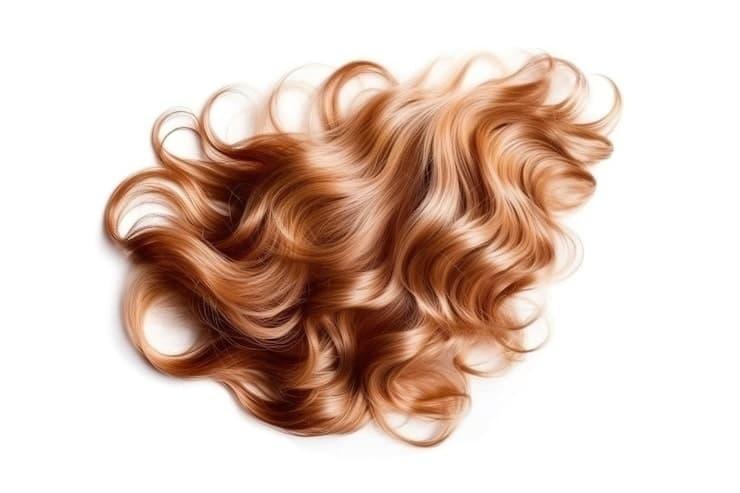
Welcome to a comprehensive, practical, and search-friendly guide designed to help anyone—from beginners to pros—understand everything about curly wig options, maintenance, styling, and tips to achieve the most natural volume and long-lasting bounce. This long-form piece explores fiber types, cap constructions, preparation routines, cleansing and conditioning protocols, daily styling strategies, root-lifting techniques, product recommendations, storage, and troubleshooting common problems so you can confidently wear a curly wig that looks and feels authentic.
Curly wigs offer immediate texture, dramatic silhouettes, and an effortless way to change your look. Whether you want tight coils, loose waves, or bouncy ringlets, a curly wig provides consistent curl pattern and volume without the daily heat and manipulation of natural hair. They are ideal for people dealing with hair loss, those wanting temporary transformations, or anyone aiming to save time on styling.
 : Get defined curls without setting or curling tools.
Choosing the right curly wig depends on fiber type, cap construction, curl pattern, and intended use. Understanding differences helps you invest in an option that suits your lifestyle and budget.
Wigs are typically made from synthetic fibers, human hair, or hybrid blends:
Choose a cap that fits your comfort and realism needs:
 : Creates a scalp-like appearance at parting, great for realistic density and movement.
Curly wigs come in many patterns—S-waves, loose curls, corkscrew coils, and tight ringlets. When selecting, consider how the curl pattern impacts perceived volume and styling needs. Density affects overall look: a heavier density creates a fuller silhouette, while lighter density provides a more natural, lightweight appearance.
Round faces benefit from length and layered curls that elongate the face. Oval faces can wear most patterns. Square faces soften with looser curls and side-swept volume. For active lifestyles, tighter curls tend to hold shape better without daily restyling; choose synthetic blends or treated human hair for better curl memory.
Before first wear, prepare your curly wig to reduce shedding, enhance natural movement, and remove any factory stiffness:
Proper cleansing preserves curl definition and fiber integrity. Over-washing a curly wig can strip moisture, while under-washing may cause product buildup and dullness.
Wash synthetic curly wigs every 8–12 wears or when product buildup appears. Human hair curly wigs may need washing every 6–10 wears depending on environment, product use, and scalp exposure.
Step 1: Gently detangle using a wide-tooth comb or fingers. Step 2: Fill a basin with cool to lukewarm water and add a small amount of sulfate-free shampoo formulated for wigs or color-safe hair. Step 3: Immerse the wig and swirl gently—do not rub. Step 4: Rinse thoroughly with cool water. Step 5: Apply a moisturizing conditioner or deep mask, focusing on mid-shaft to ends. For human hair wigs, leave conditioner for 3–10 minutes, then rinse. Step 6: Pat dry with a microfiber towel or t-shirt; avoid wringing. Place on a wig stand and let air dry away from direct heat.
Daily attention keeps curls defined and prevents matting. Use your fingers or a wide-tooth comb on damp or slightly misted hair to separate clumps and refresh shape.
DIY refreshing mist: mix water, a small amount of leave-in conditioner, and a dash of lightweight oil (argan or jojoba). Store in a spray bottle and lightly mist the wig before finger-shaping curls to restore bounce.
Store curly wigs on a stand or mannequin head when not in use. If you must lay them down, loosely fold with a satin cloth to protect curls and prevent flattening. Avoid tight elastic bands or rough handling.
Creating natural-looking volume with a curly wig is about root-lift, strategic parting, layering, and using the right products.
Change the part to instantly shift perceived volume—side parts usually create more lift than a center part. For lace-front wigs, you can add baby hairs and soften the hairline to make the part look more natural.
Layering a curly wig adds movement and reduces bulk at the ends. When cutting, always shape curls dry and in their natural clumps; this prevents over-cutting and maintains the integrity of the curl pattern. Consider consulting a stylist experienced with curly hair or wig customization.
Heat can reshape curls for human hair wigs but use it sparingly to avoid damage. If you must use heat on synthetic wigs, verify it's heat-friendly and follow the manufacturer's temperature guidelines.
Use low to medium heat on curling wands for human hair wigs and a diffuser on low when using a blow dryer. Always apply a heat protectant designed for wigs or hair extensions before styling.
Choose lightweight, curl-specific products to avoid weighing down hair. Typical product categories:
Human hair curly wigs can be dyed or highlighted for a custom look, while synthetic wigs are harder to color and often require specialized synthetic dye or painting techniques. If you color a wig, work with a professional to preserve curl pattern and fiber health.
Proper storage prevents tangles and preserves shape. Keep wigs on breathable stands or inside a satin bag if space is limited. Avoid sunlight, high humidity, and extreme temperatures. For long-term storage, lightly mist with a protective spray and place on a padded stand in a cool, dry place.
Here are typical issues curly wig wearers face and quick remedies:
Creating a believable look involves blending and attention to the hairline and part. Use wig glue or tape sparingly for lace front wigs, create soft baby hairs, and slightly pluck the part line to avoid a dense, unnatural look. Use a translucent powder or foundation to match the lace to your skin tone for a seamless scalp illusion.
Wear a breathable wig cap to keep your natural hair flat and reduce slippage. For people with sensitive scalps or medical needs, look for caps with soft linings and adjustable straps for a secure, comfortable fit.
When buying a curly wig, read reviews, inspect curl uniformity, check return policies, and ask about shedding and cap materials. If shopping in-person, move around, change lighting, and test parting and hairline realism. Online shoppers should request multiple photos and inquire about cap lining and fiber origin.
Professional stylists recommend this approach:
Consider sustainable options like ethically sourced human hair or high-quality long-lasting synthetic fibers to reduce waste. Budget shoppers can choose synthetic curly wigs with good reviews and then customize length and density gradually to extend usable life.
To recap: decide on fiber type based on maintenance and budget; select cap construction for desired realism; match curl density and pattern to your lifestyle and face shape; and commit to a maintenance routine that keeps curls defined and voluminous. A well-chosen curly wig can transform your appearance while saving time and protecting your natural hair.
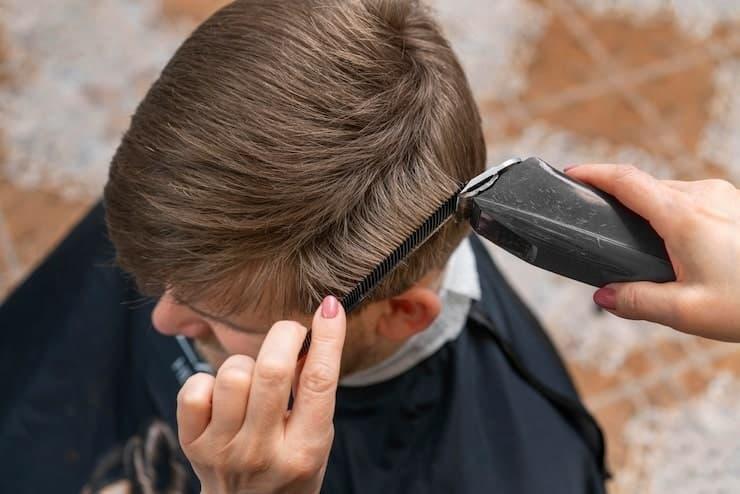
If your wig suffers significant fiber loss, irreversible matting, or cap damage, consult a wig technician for resetting, rewefting, or cap repairs. Professionals can also re-style layers and restore curl patterns with methods that preserve longevity.
Choosing and caring for a curly wig is an investment in appearance and convenience. With the right selection, maintenance, and styling tactics, you can enjoy natural-looking volume and resilient curls that stand up to daily life. Embrace experimentation—switch parts, try new root-lift methods, and keep a light, consistent care routine to ensure your curls stay vibrant year-round.