 ? Professional overview and what to expect
If you've ever wondered can you curl wig hair and how to get salon-quality results at home, this comprehensive, expert-driven guide walks you through the full answer step by step. Whether you're working with 100% human hair or a heat-friendly synthetic fiber, this resource covers tools, temperature settings, protective products, technique, styling patterns, and ongoing maintenance so you can make confident decisions and avoid irreversible damage.
Short version: can you curl wig hair? Yes, but the method and success depend on the wig type. Human hair wigs behave like natural hair and tolerate heat styling much better; they can be curled with irons, wands, and rollers. Synthetic wigs divide into two main categories: heat-resistant (heat-friendly) synthetics, which can usually take low to medium heat; and classic synthetics, which will melt or frizz when exposed to hot tools. Understanding which category your wig falls into is the first crucial step.
Step 1: Identify fiber type. Look at packaging or product description. If information isn't available, perform a strand test in an inconspicuous spot: use a curling iron at the lowest setting or a hairdryer briefly while monitoring closely. For a safe micro-test, wrap a small piece around a pencil and apply a touch of heat for one second — synthetic will often become shiny, collapse, or emit a chemical smell; human hair behaves like native human strands.
Before any heat styling, clean and detangle. For human-hair wigs, wash with a sulfate-free, moisturizing shampoo and conditioner, towel-blot, and let the wig air-dry on a wig stand until 90% dry. For heat-friendly synthetics, use a specially formulated synthetic wig shampoo and conditioner; many synthetic wigs should be styled when damp. Lightly mist a heat-protectant suitable for the fiber. Never apply heat to soaking wet hair or damp synthetic fibers unless the manufacturer permits it.
When asking can you curl wig hair for synthetic fibers, remember the qualifier "heat-friendly." Many modern synthetic wigs are engineered with a thermal memory that responds to low-to-moderate heat, permitting creative shaping.
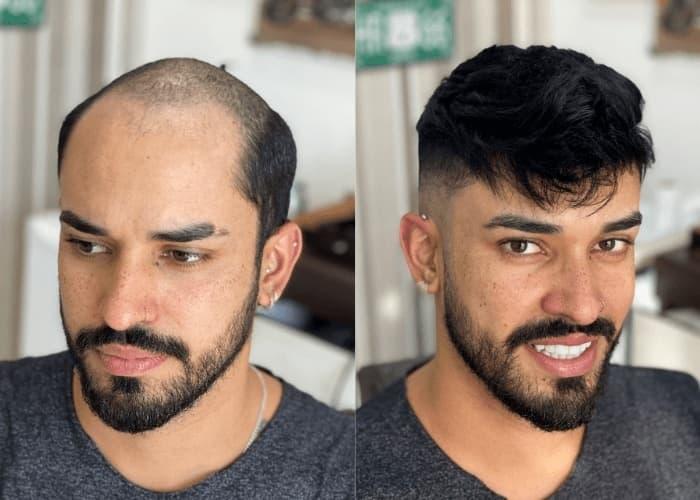
Many classic synthetics cannot tolerate heat. If the wig label says “no heat,” use heat-free shaping methods that still deliver beautiful curls and waves:
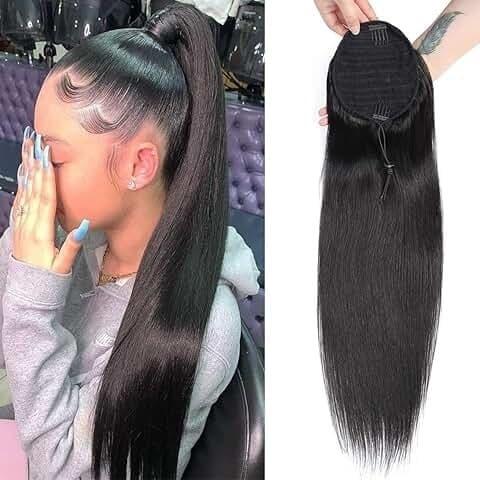
To elevate your results when you curl wig hair, incorporate advanced tools and patterning:
To extend the life of your styled wig, whether human or synthetic: avoid heavy oils or products containing mineral oil (which can weigh curls down), store the wig on a stand or in a silk-lined box, sleep with a satin or silk head covering to reduce friction, and refresh curls with low-heat touch-ups or steam as appropriate. For synthetic curls, consider re-setting with rollers instead of multiple heat exposures.
Post-styling maintenance is equally important. Gently detangle from ends to roots, use wig-friendly conditioning treatments periodically (deep conditioners for human hair, hydrated spray conditioners for synthetic fibers), and maintain the interior cap and lace to prevent loosening. Regular professional maintenance can keep a high-value wig looking salon-perfect.
The frequency depends on fiber type and the amount of heat used. Human hair wigs can be styled frequently but should receive conditioning and occasional professional trims. Heat-friendly synthetics should be limited to occasional heat-based restyling and rely more on non-heat methods for preservation. Classic synthetics should avoid heat entirely and use heatless restyling techniques regularly instead.
If you plan to curl regularly, invest in a higher-quality human-hair wig or a premium heat-resistant synthetic. Look for clear heat ratings, breathable caps, and quality construction. A well-made wig not only styles better but also tolerates repeated shaping and retains a natural movement.
If curls drop quickly, consider these factors: insufficient cool-down time, heavy product residue, coarse or heavy wig density, or high humidity. Solutions include re-setting with lighter products, using a stronger but wig-safe setting spray, or trying a different styling pattern with smaller sections and pin-curl cooling.
Carry a small travel iron with adjustable heat, a heat-resistant glove for safety, a lightweight spray bottle for a bit of water or wig-safe setting solution, and a satin scarf for overnight protection. For synthetic wigs that can't take heat, pack flexi-rods or small roller sets for quick touch-up sessions.
Always curl wigs in a ventilated area, avoid inhaling product fumes, and keep tools away from flammable materials. When using heat near lace fronts, handle the lace with care—excessive heat can warp or discolor lace bases.
DIY curling saves money and gives freedom, but complex restorations, precision color matching, or intricate updos deserve professional attention. A stylist experienced with wigs can preserve the base, custom cut layers to enhance curl, and offer advanced shaping that protects longevity.
To summarize the central question — can you curl wig hair? The responsible answer is: yes, when you know the fiber type and follow manufacturer guidance. Use the correct tool, apply heat protection, perform a strand test, and choose heat-free methods when required. With proper care, both human-hair and heat-friendly synthetic wigs can be styled into beautiful curls that last.
For additional tutorials, look for manufacturer-specific videos and professional wig salons that publish step-by-step guides for their models. Keeping a log of temperature settings and times that worked for each wig will help refine your technique over time.
Below are concise pro tips to bookmark:
A: No. Only use curling irons on 100% human hair wigs or synthetic wigs explicitly labeled heat-friendly and within the manufacturer's recommended temperature range. When uncertain, avoid direct heat and use alternative methods.
A: Most heat-friendly synthetics respond well to 250°F–300°F (120°C–150°C), but always consult the product guidance and perform a strand test first.
A: Use small sections, allow curls to cool completely, set with clips, avoid heavy oils, and finish with a light, wig-safe setting spray. Store the wig properly and protect it during sleep or transport.
With the techniques outlined here you can approach the question can you curl wig hair with confidence and achieve professional-looking results while protecting your investment. Experiment mindfully, document what works for each wig, and enjoy the versatility that careful heat styling can provide.