If you've been searching for authentic, wearable red hair or looking to make a bold seasonal switch, this long-form guide dives deep into ginger wigs and how to style them so they look natural, lived-in, and flattering for any face shape. From choosing the right undertone and cap construction to gentle upkeep and advanced styling tricks, the discussion below is structured to serve beginners, wig collectors, color lovers, and professional stylists alike. Throughout the article you'll see practical checklists, expert tips, product suggestions, troubleshooting answers, and creative ideas for maximizing the appeal of your ginger wigs in everyday life, editorial shoots, or costume design.
Red shades carry personality. A ginger wigs palette can range from strawberry blonde and copper to deep auburn and terracotta. People choose red wigs for many reasons: they want to experiment without permanent dye, they need a specific hue for a character or shoot, or they simply fall in love with the warmth and vibrancy that ginger tones provide. Compared to more neutral wig colors, ginger shades often require more nuanced selection to match skin undertones and personal style — but when paired correctly, a ginger wigs choice can look remarkably natural.
Skin undertone is the critical starting point. Warm skin tones often suit golden or rich coppery ginger wigs, while cooler skin tones may benefit from softer, strawberry-tinged reds or muted auburns. When in doubt, test against natural light, compare sample swatches on your jawline, and remember that a slightly darker wig can still look natural if you blend the hairline and create face-framing highlights.
Choosing the right cap is as important as selecting color. Lace front caps provide the most natural hairline, while monofilament tops can give the illusion of hair growth at the part. For those aiming for the most authentic appearance from the first glance, prioritize lace front ginger wigs with hand-tied sections at the crown or part area. Full lace caps offer versatility for updos and complex styling but come at a higher price point.
High-quality synthetic ginger wigs have come a long way, offering heat-friendly fibers and pre-styled shapes that are low maintenance. Human hair wigs, however, provide unrivaled realism, the ability to heat-style repeatedly, and the option for custom color or subtle highlights. Budget-conscious shoppers may prefer heat-resist synthetic wigs that allow a few styling sessions, while long-term users or performers may invest in human hair for longevity and authenticity.
| Type | Pros | Cons |
|---|---|---|
| Synthetic | Affordable, holds style | Shorter lifespan, limited heat use |
| Human Hair | Natural movement, can be colored/styled | Higher cost, needs more care |
To avoid the telltale wig look, blend the hairline and soften the part. Use the following strategies when working with ginger wigs:
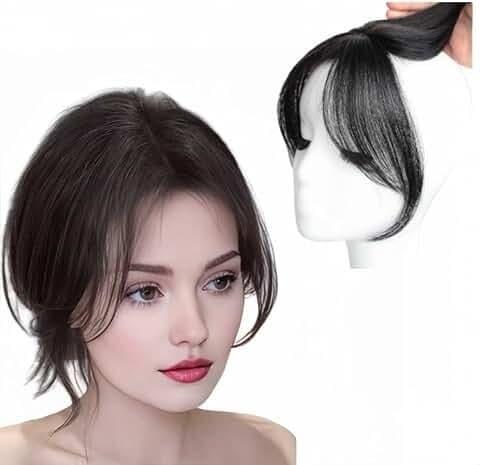
1) Place the wig on a mannequin head or your own head and mark the natural part position. 2) Use a fine-tooth comb to define the part, then apply concealer or powder that matches your skin to the exposed part line. 3) Slightly loosen the part with a tail comb to break uniformity. 4) If necessary, add micro-lights or subtle highlights with color-safe dye or a temporary color spray to create depth and dimension in the part area — this technique enhances realism for ginger wigs.
Texture plays a central role in making any wig look natural. Avoid overly stiff or uniform curls. Whether you’re working with heat-friendly synthetic fiber or human hair, consider these texturing methods:
For editorial wear or a lived-in aesthetic, try partial braids, soft waves, or a low messy bun that allows pieces to fall freely around the face. Light teasing at the crown creates natural volume; finish with a flexible-hold hair spray to preserve motion. When styling ginger wigs, always test a small hidden section first if you are using heat or products.
Ginger tones can fade with sun exposure and frequent washing. To keep the shade vibrant and natural-looking, follow these maintenance tips for ginger wigs:
Proper care extends the lifespan of any ginger wigs investment. Wash only when necessary — too frequent cleansing strips fibers and reduces vibrancy. Use cool water and a gentle wig cleanser, then blot dry with a towel and air-dry on a stand to keep the cap shape intact. Store on a mannequin head or in a breathable bag to preserve style and prevent tangling.
1) Detangle with a wide-tooth comb before wetting. 2) Immerse in cool water with wig shampoo, working from roots to ends. 3) Rinse thoroughly, apply conditioner sparingly, and rinse again. 4) Press excess water with a towel — never wring. 5) Air dry on a stand and reshape while damp.
Accessories help integrate wigs into your overall look. Try soft headbands, scarves, or discrete clips to anchor lace and add personality. Consider micro-extensions or fringe pieces if you want to blend a wig with natural hair at the hairline. For professional shoots, use weighted clips or wig grips to secure ginger wigs under high-movement conditions.
Even a high-quality wig often benefits from professional cutting and customization. Feathering the front, thinning dense areas, or adding a bespoke fringe can transform a factory-styled wig into a piece that flatters your features. If you’re inexperienced with cutting wigs, consult a wig stylist: mistakes are hard to reverse, especially on human hair units. Professionals can also tone and subtly re-color ginger wigs to better match skin tonal nuances.
When investing in any red-toned wig, balance budget with desired realism and lifespan. Entry-level synthetic ginger wigs are perfect for one-off events, while mid-range heat-friendly synthetics are great for seasonal changes. If you plan to wear your wig daily, consider spending more on a lace-front or human hair ginger wigs option due to the superior realism and comfort. Read reviews, request color swatches when possible, and buy from reputable sellers with transparent return policies.
Minor repairs and touch-ups are often doable at home. Loose wefts can be re-sewn, a fraying lace can be trimmed carefully, and minor color adjustments are possible with temporary sprays or professional semi-permanent dyes. Always perform a patch test on an inconspicuous area before applying any product more broadly to prevent unexpected color shifts or fiber damage in your ginger wigs.
Pack a small emergency kit: a few bobby pins, small adhesive strips, a travel-size wig brush, a mini hairspray, a small bottle of wig-friendly detangler, and a few quick color touch-up sticks for part lines. These items help make your ginger wigs look fresh throughout a long day or event.
Many wearers encounter common issues: visible lace, unnatural shine, or stiffness. Solve these by: blending lace with skin-toned adhesives, using dry shampoos or powders to reduce shine, and applying small amounts of silicone-based serums to restore softness to synthetic fibers. If the color looks flat, introduce subtle highlights or lowlights to create movement and depth in your ginger wigs.
To make a ginger wigs choice flattering, tailor styles to face shape:

Ginger tones pair beautifully with seasonal palettes: warm autumnal outfits, cool-toned winter accessories for contrast, or bright summer makeup for playful looks. When styling ginger wigs for trends, consider muted glam or natural boho textures, and choose clothing colors that either complement or intentionally contrast the rich red hues.
For film, TV, or stage use, work with color-calibrated wigs and consult the makeup department to ensure consistent lighting behavior. Use silicone-based adhesives for secure attachment and plan for frequent touch-ups during shoots. Human hair ginger wigs are often preferred in media because they photograph and move more organically under close-up conditions.
If sustainability matters to you, research brands that source human hair ethically and companies that offer reusable packaging or recycling programs for synthetic units. Some wig makers now provide transparent sourcing and fair-pay guarantees for hair donors, so choose vendors aligned with your values.
Expect to see more nuanced ginger shades — from faded sun-kissed tones to vibrant, saturated coppers — as color technology advances and demand for personalized hues grows. Custom dyeing, balayage-inspired wigs, and modular pieces that allow mixing tones for a multi-dimensional finish are all on the rise in the world of ginger wigs.
With the right shade, cap construction, and styling approach, ginger wigs can provide a highly convincing and flattering transformation. Prioritize realistic hairlines, invest in gentle care, and treat color management as part of regular maintenance to keep vibrancy and movement. Whether you wear them for fashion, function, or performance, the strategies above will help your ginger shade read as natural and wearable.
Focus on the hairline and part: use lace front caps, pluck moderately for a softer hairline, apply scalp-matching makeup to the part, and add baby hairs to blend into the forehead. Light texturing and subtle highlights also add realism.
Some modern synthetic fibers are heat-friendly up to specific temperatures; always check manufacturer guidelines. For repeated heat styling, human hair wigs are more reliable.
Wash only when necessary — typically every 10-14 wears for synthetic and every 8-12 wears for human hair depending on styling products and perspiration. Use gentle, wig-safe products and air-dry on a stand.
