This long-form exploration looks beyond a simple curiosity and examines social meanings, practical reasons, and cultural messages behind the adoption of powdered wigs across 17th and 18th century Europe. Many modern readers ask why were powdered wigs worn as if seeking a single cause; the reality is multi-layered. The reasons intersected status signaling, hygiene practices, legal and courtly expectations, theatricality and changing ideals of beauty. This article outlines the origins, materials and methods, class and gender implications, hygiene myths and realities, economic networks that manufactured the coiffures, and the decline of powdered wig culture.
Powdered headwear was not invented in the 18th century but reached its peak then. Initially, full-bottomed long wigs and later shorter perukes (from the French word perruque) gained popularity among aristocrats and officials. Questions like why were powdered wigs worn often overlook the influence of a few historical catalysts: monarchs who set trends, epidemics that altered grooming habits, and the politics of visibility in public life. The English court of Charles II and the French court under Louis XIV were particularly important trendsetters, as court fashion radiated outward to nobles, officials, and the aspiring bourgeoisie.
Wigs were typically made from human hair, horsehair, goat hair, or a mix. They were dressed with various powders. Contrary to the idea that powder was simply cosmetic whitewash, the powder served multiple functions: it masked natural hair color (grey and white signaled certain social connotations), created a uniform sheen suitable for courtly display, and helped reduce the visibility of lice and dirt. Common powder ingredients included starches (wheat or rice flour), sometimes mixed with cosmetic salts or perfumes such as orange flower water, lavender or orris root. Less commonly, powders contained parts of lead or heavy minerals, which could be harmful; historical recipes varied by region and by the wallet of the wearer. The olfactory element was central — a perfumed wig announced cleanliness even when actual hygiene practices were limited.
Powder signaled an ordered, scented, and socially legible presence.
High fashion and social pecking orders were inseparable. One persistent answer to why were powdered wigs worn is that they became a visual shorthand for rank. In courts and government, wigs were regulated: certain styles and quantities of powder were linked to rank and office. A heavily powdered wig could visually increase the apparent height and width of the wearer’s silhouette, giving a more imposing presence in portraiture and public spaces. Portrait painters emphasized powdered hair because it reflected light and framed the face in a way that conveyed authority. For the newly wealthy merchant classes, copying aristocratic powdered styles was a way to claim cultural capital without hereditary privilege.
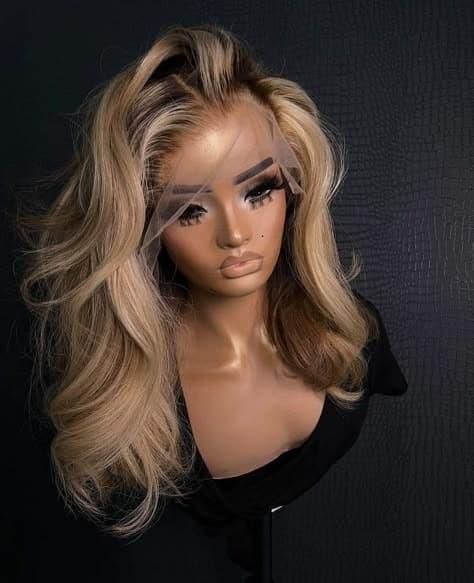

Both men and women wore hair powder, although styles and social meanings diverged. Men’s wigs tended toward formalized court shapes — perukes and later the smaller, curled "tie-back" wigs of the mid-18th century — while women used powder to achieve elaborate powdered updos. The gendered use of powder reveals changing ideals of beauty and masculinity: powdered hair on men could signal civility, learned status, and conformity to courtly norms. For women, powder and styling were tools of ornamentation, intensifying social visibility at balls and salons.
The hygiene argument is central to modern curiosity: did powder mask poor cleanliness? The simplest reply to why were powdered wigs worn is that powder functioned as both a cosmetic and a pragmatic response to lice and the limits of frequent washing. Shampoos and soaps were available but bathing and head washing were neither daily nor widespread for elites who wanted to preserve elaborate hairstyles. Wigs could be removed, aired, and powdered to reduce lice visibility and to keep natural hair protected. In some documented cases, wearers chose wigs because scalps scarred by diseases or venereal infections made natural hair growth irregular; wigs created an even canvas. Still, the powdered surface could trap dust and odor if not attended to, so wig hygiene became a specialized craft: wigmakers offered cleaning, restyling, and perfuming services.
The law courts of England and some European jurisdictions codified wig wearing into professional identity. Barristers, judges, and certain officials adopted wigs as a symbol of office; in those contexts, powdering was part of the ensemble. Why were powdered wigs worn in courts? Because they represented institutional continuity and impartial authority: an upright visage made the wearer a symbol of the law rather than an individual personality. Military officers sometimes wore powdered wigs in formal settings or in portraits, signaling their rank and reinforcing courtly ties; in the field, of course, practicality won out.
The commercial system that supported wig culture was sophisticated. Wigmakers (perruquiers) were regulated guild members in France and England, and a range of ancillary trades—barbers, powderers, perfumers, portrait painters and tailors—formed an ecosystem. Traders imported hair and raw materials; laundries and starch workshops processed powder. The costs of wigs varied wildly, enabling elites to use ever more elaborate forms to separate themselves from the less affluent. The expense and maintenance of powdered wigs thus functioned as an economic barrier as much as a fashion choice.
Historical answers to why were powdered wigs worn must take account of imperial contexts. In colonial settings and interactions with peoples outside Europe, powdered wigs became a cultural marker of European governance and authority. Portraits of colonial administrators with powdered wigs made political statements about civilization and competence, though they also obscured the messy realities of colonial rule. Additionally, wigs occasionally served to mask or alter perceived markers of ethnic identity among European elites, reinforcing a visual standard of whitened hair and powdered sheen that tied closely to contemporary ideals of refinement.
By the late 18th and early 19th centuries, powdered wigs lost favor for several reasons: economic pressures (powder taxes and the cost of maintenance), shifting political climates (revolutionary critiques of aristocratic display), and changing aesthetic ideals that favored natural hair and more practical cuts. The French Revolution famously attacked aristocratic signs of privilege, and powdered wigs were an obvious target. Meanwhile, improvements in soap and shampoo, new attitudes toward bathing, and military needs encouraged shorter, unpowdered styles. When asked in retrospective essays why were powdered wigs worn, commentators often turned to moralizing rhetoric, seeing powder as decadence; but historians now emphasize multiple pragmatic functions behind the fashion.
Our visual archive—portraits, engravings, fashion plates—shapes modern assumptions. Because painters exaggerated powdered hair to convey light and status, contemporary viewers often imagine all elites powdered daily. The truth was more varied. Some individuals used powder constantly; others relied on wigs only for occasions. The performative nature of public life meant powdered styles were especially visible at court, in legal settings, and in formal portraiture, which has skewed modern perceptions.
For those interpreting the period: reproducing powdered wigs requires attention to materials, scent, and maintenance practices. Modern reproductions use safer starches and synthetic hair when appropriate; recreations of perfumes should avoid toxic historical ingredients. Attention to who powdered their wigs, how often, and in which contexts helps avoid flattening the diversity of historical practice into a single stereotype.
In short, the question why were powdered wigs worn cannot be answered by hygiene or fashion alone. Powdered wigs were a complex cultural technology that mediated status, managed the limits of contemporary hygiene, and participated in elaborate systems of visual and institutional authority. Understanding this complexity helps us read portraits and legal records more accurately and appreciate how material culture shapes social life.
Acknowledging the interplay of fashion, health, economy and politics is crucial when we interpret the powdered hair of early modern Europe: it was both a practical response to the lived realities of the time and an emblem of social distinction carefully cultivated by elites.