When people ask about volume, fullness or how a wig will behave on camera or in daily life, the technical term that often comes up is hair density. In plain language, density refers to how much hair is present on the wig cap relative to a natural head. This guide explains the concept, answers frequent practical questions, and helps you choose the most flattering option for your style, face shape and maintenance preferences. Whether you are new to wigs or expanding a collection, this resource aims to demystify what matters.
At its simplest, what is hair density in wigs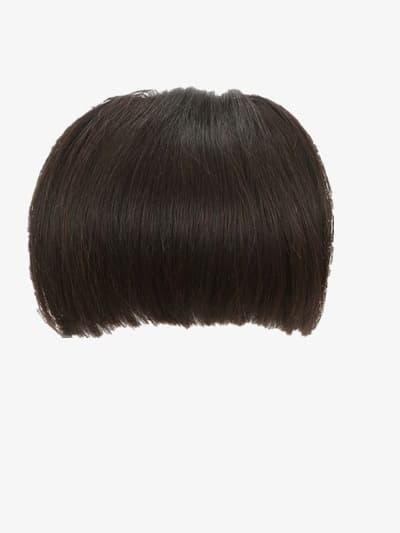
 can be answered like this: density is the measure of how many hair strands are attached to the wig cap compared to a typical human head. Wig makers use terms like 100% (also called light or natural), 120% (standard), 150% (medium/full), 180% (heavy/fullest), and 200%+ (very thick/voluminous). These numbers are not percentages of a mathematical total but industry shorthand for relative fullness. When browsing product descriptions, seeing 120% density tells you the wig offers a balance between natural and full; 150% to 180% tells you the wig will look visibly dense and voluminous.
Manufacturers estimate density by comparing the wig's hair volume to a standard reference, often described as 100% density. That reference approximates a healthy natural head of hair with moderate thickness. Since factories and brands may vary slightly, consider these guidelines more as ranges than precise metrics. Retail listings sometimes provide visual samples—photos, videos and personnel demonstrating the wig on different heads are extremely helpful for judging how a given density might look in real life.
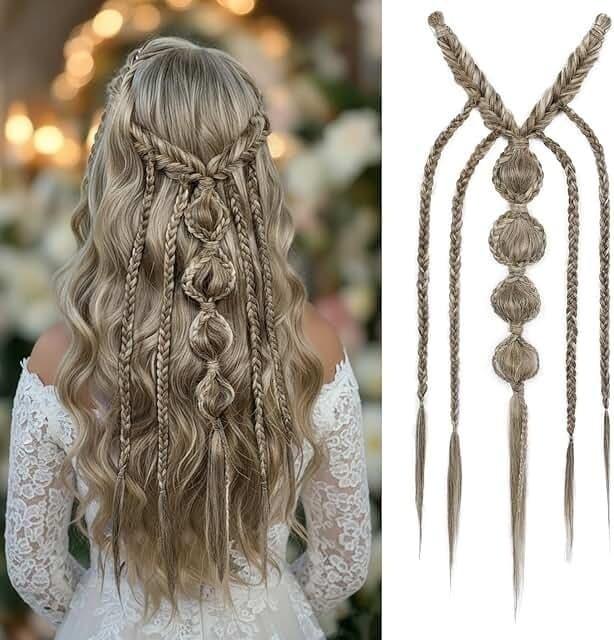
Density influences three main things: appearance, comfort and styling freedom. Appearance: higher density usually equals more volume, which can change perceived face proportions and style vibe. Comfort: thicker wigs are heavier and can become hot, especially in warm climates. Styling freedom: denser wigs allow for bigger, fuller updos and dramatic textures, while lighter densities allow for more natural-looking parts and easier blending with your real hairline.
A quick rule of thumb: shorter bob styles often look best at lower densities because heavy volume can overpower the cut, while mid-length and long styles handle higher density beautifully.
Choosing the right density is not just about how much hair you like—consider face shape, neck length and personal style. For example, round faces often benefit from less volume at the sides and more length to elongate the silhouette, so a moderate density (120%–150%) may be ideal. Heart-shaped faces can be balanced by volume at chin level, whereas long faces may prefer side volume to create width. Try visualizing how fullness at different lengths will interact with your proportions; many wig sellers include styling suggestions for different face types.
Texture amplifies the perception of density: curls and coils appear thicker because they occupy more space, while straight hair lies flatter and appears less dense. A 120% curly wig can look as voluminous as a 180% straight wig. Therefore, when choosing density, always take texture into account: if you want the look of abundant hair with low weight, opt for curl patterns with lower density; for sleek, straight glam, choose a higher density.
Lace front, full lace and monofilament caps affect how hair density reads at the part and hairline. For ultra-realistic parts, a lower density near the part line (or custom ventilation) makes the scalp appear more natural. Wig makers often design "graduated" density—lighter at the hairline and part, fuller in the crown—to mimic natural hair distribution. If a product image shows a deep scalp part with too much hair along the part, that density may look artificial even if the total density is moderate.
Most wig wearers customize density after purchase. Common adjustments include thinning shears to reduce bulk, adding wefts for extra volume, or hand-ventilating to create natural-looking parts. Professional stylists and some wig suppliers offer density customization: you can request a wig with lighter hairlines or reinforced crown fullness. If you plan to alter the wig, start with a slightly higher density than you want and thin down carefully—it's easier to remove hair than to add it seamlessly.
Practical tip: If you want a natural hairline but voluminous roots, ask for a graduated density design or have a stylist tweeze and thin the front and part area while leaving the mid-lengths and ends fuller.
Denser wigs require more product—shampoo, conditioners and styling aids—and longer drying times. They also weigh more, which may mean stronger wig clips or better cap construction for secure wear. If you plan to wear a wig for many hours each day, consider the trade-off between visual fullness and practical comfort. For active lifestyles or hot weather, a lighter density can be a wiser choice.
Before purchasing, ask these questions: What density is the base wig listed as? Is the hair pre-plucked or graded at the hairline? Can the density be customized? Are there recommended care steps for this density and texture? Answers help you avoid surprises on arrival.
Light densities (100%–120%): Perfect for sleek straight styles, soft waves and realistic parts. Use lightweight products to avoid weighing hair down. Medium densities (120%–150%): Versatile for layered cuts, loose curls and bouncy blowouts. Heavy densities (150%–200%+): Reserve for high-volume curls, updos and editorial looks—use strong styling tools and consider reinforcement straps on the cap.
If you are comfortable with cutting and thinning, DIY customization can save money. However, incorrect thinning or plucking can make a wig look sparse in the wrong places. For high-value wigs or complex textures, trust a professional stylist or wig technician. Professional alteration ensures the density is balanced with the cap construction, part placement and overall aesthetic.
Higher density usually costs more, both in initial purchase price and long-term maintenance. Denser wigs exposed to frequent styling may require more frequent trimming, deep conditioning and repair. If budget is a constraint, consider purchasing one moderate-density wig and using styling techniques (such as teasing or clip-ins) to add temporary volume when needed.
Wedding or event wear: choose 150%–180% for photos and long wear. Everyday professional use: 100%–150% depending on desired formality. Fitness or travel: 100%–120% for lightness and breathability. Stage or performance: 180%–200%+ for dramatic visibility from distance.
Remember that lighting, camera angles and product photography can dramatically alter perceived density. Always verify density with real-wear images when possible and ask the seller for return policies if the wig does not match expectations.
In sum, understanding what is hair density in wigs is key to selecting a wig that looks natural, suits your routine and gives you the styling options you want. Consider texture, face shape, event type, and maintenance capacity before choosing a density. Use product photos, user reviews and seller communication to confirm that the density in listing photos reflects the real product. If in doubt, opt for a slightly higher density if you want styling flexibility, or slightly lower if realism and comfort are your top priorities.
For those optimizing product pages or writing useful descriptions online: be explicit about density numbers and include multiple photos showing part, hairline and crown under different lighting conditions. Accurate, demonstrative content reduces returns and increases buyer confidence—an SEO-friendly practice for any wig retailer.
When communicating with sellers, use concise questions: "What is the listed density?" "Is the hairline pre-plucked?" "Are photos staged or natural?" "Can you provide a video of the wig worn in regular indoor lighting?" These direct questions often produce concrete answers that help you choose the correct density.
If you'd like a personalized suggestion, measure your preferred daily look: thin and natural—go lower; red carpet or photographed—go higher. And always remember that you can adjust density after purchase through thinning or adding wefts at a professional salon.
Wash frequency depends on use, products and perspiration; dense wigs may need washing every 1–3 weeks if worn frequently, but avoid overwashing to preserve longevity.
Yes, if you have basic cutting skills. Use thinning shears, work in small sections and aim for subtle changes. If unsure, consult a wig technician to avoid over-thinning.
No. Density and quality are separate factors. High-quality hair with low density can look better than low-quality hair with very high density. Assess hair material, cap construction and workmanship as well as density.
Final encouragement: take time to visualize, ask for visual evidence and consider how density will affect both your look and lifestyle. Armed with the knowledge of what is hair density in wigs, you can confidently select a wig that aligns with your aesthetic goals and daily comfort needs.