Embarking on the journey of selecting and styling my first wig can feel both exciting and overwhelming; this comprehensive and user-friendly guide is written to help beginners feel confident from the moment they search for their initial hairpiece through the first hours of wear and care.
The decision you make for my first wig influences comfort, confidence, and how quickly you will master basic styling and maintenance. Many newcomers underestimate how cap size, construction, fiber type, and color choices impact day-to-day life. This guide covers practical buying tips, styling fundamentals, and ten essential pointers designed for people who want to make an educated first purchase and learn realistic ways to style and maintain their wig.
If you are a beginner searching for guidance about my first wig—whether for fashion, hair loss, cosplay, or transitional styling—this article will provide structured steps, professional recommendations, and actionable tips. Use the paragraphs, lists, and step-by-step sections as a checklist during shopping and in your first weeks of wear.
Before you buy, it's vital to know the core components: cap construction (basic cap, monofilament, lace front, full lace), fiber type (synthetic, heat-resistant synthetic, human hair), and cap size/fit. Each factor affects styling potential, comfort, and longevity. For those focused on my first wig, start with a cap type that balances budget and realism—lace front caps paired with a breathable machine-sewn back are popular beginner-friendly choices because they offer a natural hairline and stable fit without the complexity of full-lace customization.
Synthetic fibers are low maintenance and often less expensive; they come pre-styled and require minimal effort to look polished. However, traditional synthetics are heat-sensitive and can’t tolerate curling irons. Heat-resistant synthetics provide more versatility for beginners willing to practice safe heat styling. Human hair wigs offer the most natural look and freedom to style with hot tools but require more care and are more costly. When considering my first wig, evaluate your willingness to invest time and money in maintenance before choosing human hair.
Proper measurement prevents returns and improves comfort. Measure circumference (forehead around nape), front-to-back (hairline to nape), and ear-to-ear across the top. Many brands provide a size chart—compare your measurements to the chart and choose the closest match. For new wig wearers seeking my first wig, a medium cap fits most people; if your measurements are borderline, pick a slightly smaller cap because adjustable straps and wig grips can increase snugness without causing pain.
Selecting the right cut and shade is both a technical and aesthetic task. Consider your face shape—round faces often benefit from longer layers and side-swept bangs, oval faces can wear most shapes, square faces soften with waves and longer layers, and heart-shaped faces look great with chin-length bobs and side parts. For color, use three guiding principles: skin undertone (warm, cool, neutral), natural eyebrow color as an anchor, and personal preference. If you're shopping for my first wig, choose a color within two levels of your natural shade to minimize dramatic adjustments and increase the wig's realism.
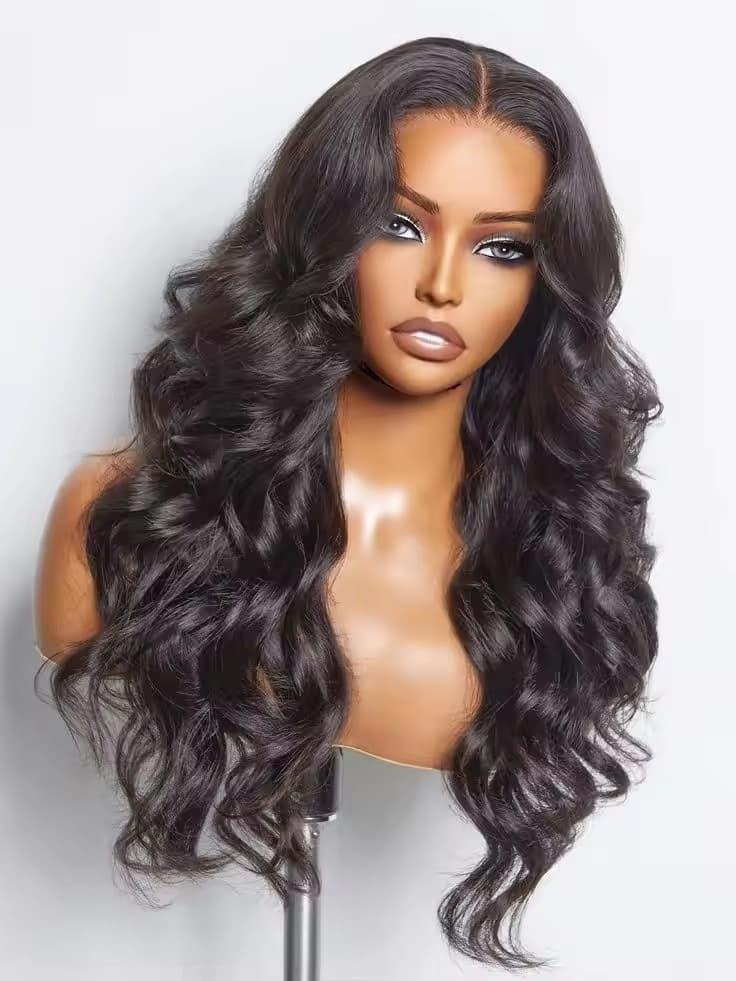

Online shopping offers convenience and often better pricing for my first wig, but sizing and color representation can be tricky. Read reviews, request color swatches if available, and verify the return policy. Shopping in-store lets you try caps on, compare textures under real light, and get immediate fittings—this is invaluable for your first purchase. If you buy online, order swatches or a second backup in a similar shade to ensure consistency.

Begin with low-risk styles: light waves, simple side parts, and subtle layers. Attach bangs only after practicing on a temporary clip-in set to see how facial proportions change. For my first wig, invest in a medium-density wig (130%–150% density) because it looks natural without being too heavy to manage. To add body, use large hot rollers or gentle steam curls on heat-safe fibers; to sleek a wig, use a flat iron on human-hair or heat-resistant fibers at the lowest effective setting.
Small accessories make a big difference: headbands, scarves, and clips can conceal imperfect edges and add style. Adjustable wig clips inside the cap offer extra security, and wig liners protect the scalp while also absorbing sweat. To create a natural part, use a thin layer of foundation or concealer on the part line and blend carefully—this subtle trick enhances realism for my first wig.
A consistent but gentle care plan preserves fibers and style. Store the wig on a stand away from direct sunlight to prevent color fade. Wash only when necessary using cold water and mild wig shampoo. For human hair wigs, deep-condition occasionally, and for synthetics, use designated leave-in conditioners. Comb gently from ends to roots to avoid shedding. Replace wig pins and straps when worn; a minor investment in accessories prolongs overall lifespan.
Divide your budget into three buckets: cap/construction (40%), fiber quality (35%), tools and accessories (25%). If you prioritize comfort and realism for my first wig, allocate more to cap and fiber quality. Savings can be made on styling accessories by purchasing multipurpose tools that work for both synthetic and human wigs.
Consult a wig stylist for initial customizations like trimming, tinting lace fronts, or adjusting density. A one-time professional beatification of the hairline or cut can turn an acceptable wig into a truly natural-looking style and shorten the learning curve for those practicing with my first wig.
Choosing my first wig is a personal and rewarding process. Prioritize fit, pick a fiber and cap that match your lifestyle, and learn a few gentle styling methods that protect the wig. Practice, patience, and a small set of quality tools will transform the experience from tentative to empowering. Remember: the first wig is a learning tool—after one or two tries, you will better understand what shapes, textures, and colors serve you best.
For ongoing learning, follow reputable wig stylists on video platforms and join beginner-friendly communities where people share real-world tips and before-and-after photos. Use search phrases like my first wig + care, my first wig + styling tips, or my first wig + beginner checklist to find tutorials and product recommendations tailored to new wig wearers.
If you would like to practice small styling steps before committing to major changes, consider purchasing inexpensive synthetic training wigs—these allow safe experimentation without risking your primary wig. Over time, as you gain skill, you'll be able to shape looks ranging from natural everyday styles to confident statement cuts.
Start simply, invest thoughtfully, and don't be afraid to seek advice. The experience of wearing my first wig can boost personal expression and confidence when you follow a few reliable steps and maintain a steady care routine. With practice, styling will become second nature and your wig will look increasingly natural and comfortable.
A: Consider lifestyle and budget. Synthetics are low-maintenance and affordable; human hair allows greater styling freedom and longevity but costs more and requires more care. For many beginners, a high-quality heat-resistant synthetic is an ideal starting point because it balances style versatility with easier upkeep.
A: Yes, but rotate and care for it properly. Daily wear shortens lifespan unless you rotate between pieces, clean correctly, store on stands, and maintain scalp health with liners and breaks when possible.
A: Use small, careful tweaks: trim excess lace close to the hairline, blend the edge with makeup that matches your skin tone, and tweeze a few hairs in the part to create softness. Start with minor changes and practice on spare lace or a practice cap before altering your primary wig.
