If you've ever wondered what is a wig cap used for and how it changes the way a hairpiece fits, looks, and feels, this comprehensive guide unpacks everything a beginner or seasoned wig wearer needs to know. From basic functions to material choices, fitting techniques, and maintenance, we break down practical details and professional tips to help you choose the right cap for your situation. Use this resource as a reference for selecting a cap that enhances comfort, prolongs wig life, and improves the natural appearance of your hairstyle.
At its simplest, a wig cap acts as the foundation between your scalp and the wig. But that foundation serves multiple interlocking functions: it protects natural hair and the scalp from friction, secures the wig in place to prevent slippage, creates a smooth surface to mimic a natural hairline, and helps manage sweat and oils. For those asking what is a wig cap used for, consider these practical goals: stability, hygiene, insulation, and improved styling. The right cap can also influence ventilation and comfort, key for daily wear or for those living in hot climates.
Not all caps are created equal. Choice depends on the wig type (lace front, full lace, machine-made), your head shape, hair volume underneath, and how natural you want the hairline to appear. Here are the major types:
There are hybrid designs that combine features: lace fronts with machine wefted backings, caps with adjustable straps, or caps enhanced with wig grips. For medical users, caps may be softer and seam-free to minimize irritation. Athletes may prefer moisture-wicking fabrics. Understanding these variations helps answer the deeper question of what is a wig cap used for in specific contexts like sports, medical use, or high-fashion styling.
Consider the following criteria when choosing a cap:
One of the most common problems new wearers face is wrong sizing. A cap that's too tight causes headaches and pressure; too loose leads to slipping and an unnatural silhouette. Measure the circumference of your head using a flexible tape measure: start at the hairline at the forehead, move behind the ears, around the nape, and back to the starting point. Record other dimensions like front-to-back and temple-to-temple if possible. Use manufacturer size charts and remember that adjustable straps provide some leeway.
Follow these general steps to fit a wig cap and wig properly:
There are safe and reliable ways to keep your wig stable. Choose a method that fits your cap type and activity level. Common techniques include:
The answer to what is a wig cap used for includes a range of benefits that improve both aesthetics and practicality:
Lace wigs demand special attention to the cap because realism at the hairline is paramount. Thin lace matched to skin tone can create the illusion of hair growing from the scalp. A lace cap underneath can make adhesive application cleaner and prevent glue from contacting natural hair directly. For those wondering what is a wig cap used for in lace wig scenarios, the answer centers on blending and adhesion.
Don't assume you must sacrifice styling versatility when wearing a cap. Properly fitted caps allow multi-directional parting, heat styling (if the wig is heat-safe), and the use of accessories. Use a light dusting of styling powder at the part to reduce shine and increase depth. If you want to change parting frequently, choose a cap with a monofilament top for the most natural movement.
Maintaining your cap is as important as caring for the wig. Regular washing helps remove buildup that attracts odors and degrades adhesives. Washing instructions vary by material:
Many wearers make avoidable errors when using wig caps. Avoid these pitfalls:
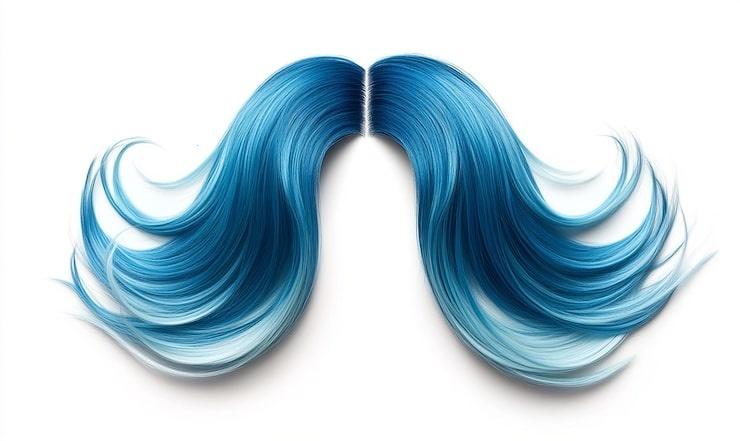
For chemotherapy patients, alopecia sufferers, or anyone experiencing medical hair loss, caps serve not only cosmetic purposes but also therapeutic ones. Soft, breathable caps minimize irritation and help maintain scalp health. Many manufacturers create caps that are seamless, hypoallergenic, and gentle for frequent wear. If you're asking what is a wig cap used for when coping with medical hair loss, the emphasis is comfort and skin safety while restoring a sense of normalcy in appearance.
On a budget? You can extend cap life and comfort with simple steps: rotate multiple caps to reduce wear, use a silk or satin scarf underneath to reduce friction, and sew in an elastic band for an adjustable fit. For those handy with a needle, small alterations like trimming excess fabric or adding extra combs can improve comfort and security. Remember, small customizations often deliver big improvements in fit and realism.


Wig caps don't last forever. Replace when elasticity is lost, seams start to unravel, or persistent odors remain after washing. For silicone grips, replace when tackiness fades. For medical users, replace more frequently if the cap becomes thinner or causes irritation. Regular inspection helps prevent sudden failures during wear.
| Material | Pros | Cons |
|---|---|---|
| Stocking (nylon/spandex) | Inexpensive, smooth | Less breathable, can be slippery |
| Mesh | Breathable, lightweight | Less durable |
| Silicone | Non-slip, secure | Can be hot, less breathable |
| Lace | Realistic hairline | Requires careful handling |
Match cap type to wig construction: lace fronts pair best with thin lace caps or skin-tone lace, while machine-made wigs often use knit or mesh caps. For human hair wigs, a soft cotton or silk cap helps protect hair oils and extends lifespan. Knowing compatibility reduces frustration and maximizes a natural look.
Transporting wigs and caps requires planning. Use a wig box or a breathable bag to retain shape and prevent dust. Store caps flat to avoid stretching or creasing. If traveling, pack adhesives in a sealed container and bring spare combs in case of emergency retention needs during long days out.
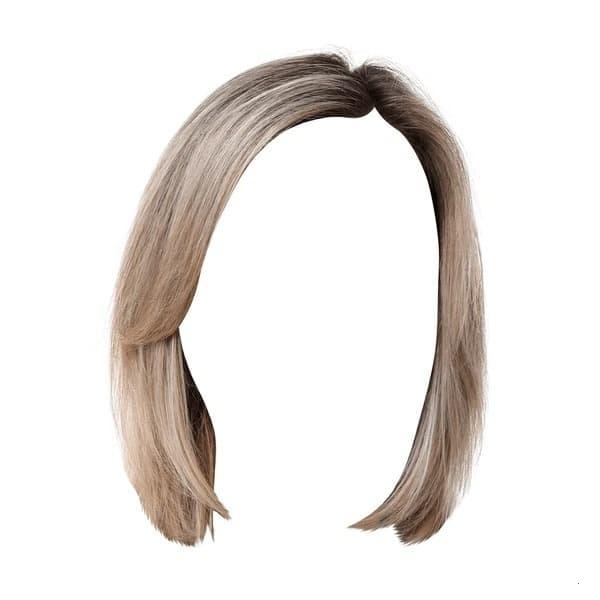
When people search online they often type what is a wig cap used for expecting practical, actionable answers. This guide aims to satisfy both search intent and real-world needs by balancing technical details with everyday advice. Use the sections above as a modular reference: whether you're picking a first wig, refining your daily routine, or supporting someone through hair loss, the right cap choice is foundational to success.
Professional stylists should expand beyond off-the-shelf caps: consider custom-made caps for unique head shapes, incorporate ventilation channels for high-heat styling, and select monofilament crowns for clients who demand versatility. For frequent wearers, invest in multiple caps of different materials—silicone for active days, lace for events, and soft cotton for overnight comfort.
Some caps and wigs use synthetic materials that are not biodegradable. If sustainability matters to you, look for manufacturers offering recycled fibers or responsibly sourced human hair. Proper care that extends a cap's life also reduces waste. Another ethical point: ensure adhesives and dyes are certified safe to minimize chemical exposure.
To summarize what is a wig cap used for: a cap provides protection, fit, comfort, hygiene, and realism. Choosing the right cap type — stocking, mesh, silicone, lace, or monofilament — depends on individual needs like scalp sensitivity, activity level, and desired hairline appearance. Proper measurement, fitting, securing, and care will maximize both comfort and the lifespan of your wig system.
Start with a basic stocking cap to learn fit. If you need realism at the hairline, upgrade to a thin lace cap or monofilament. Consider a silicone grip for active days, and always maintain a rotation of caps. When possible, consult a professional for custom sizing and adhesive guidance. Armed with the knowledge of materials, fitting techniques, and care routines included here, you'll be well-equipped to select the ideal cap for your wig and lifestyle.