If you've ever wondered can you use heat on a synthetic wig, you're not alone. This is one of the most common questions among wig wearers, stylists, and online shoppers. The short answer is: sometimes — but it depends entirely on the fiber. Some modern synthetic fibers are manufactured to be heat-friendly, while traditional synthetic fibers will distort, melt, or become permanently damaged when exposed to hot tools. This comprehensive guide explains the differences, recommended temperatures, tool choices, preparation, styling techniques, maintenance, and troubleshooting so you can make informed decisions and keep your investment looking natural and long-lasting.
There are multiple families of synthetic fibers used in commercial wigs: classic acrylic/nylon blends, Kanekalon, Toyokalon, and newer "heat-resistant" or "heat-friendly" fibers (sometimes marketed under brand names). Each behaves differently under heat. Classic acrylic and low-end synthetics have low melting points and are not safe for direct heat. Kanekalon and Toyokalon offer better heat tolerance but still require caution. Heat-friendly synthetics—often labeled "heat-friendly," "heat-safe," "heat-resistant," or "thermal fiber"—are engineered to withstand styling tools at controlled temperatures, typically up to a certain limit provided by the manufacturer. Always check labels and vendor guidance: if the manufacturer explicitly permits heat, you may proceed with care.
Because manufacturers may vary, these guidelines offer a conservative framework for styling different synthetic fibers. Remember: when in doubt, start lower and perform a small, hidden test.
 : These can sometimes tolerate low heat for short periods—generally keep temperatures below 250°F (120°C). Use caution and test before styling entire wig.
Key rule: Always verify the exact fiber type and manufacturer's maximum recommended temperature. When you see tags or product descriptions that state an explicit temperature range, use that as your primary guideline.
Testing a small sample is essential and simple: choose a concealed section near an inner layer, trim a tiny piece if necessary, and apply your intended heat method briefly. If the strand melts, bubbles, chars, or becomes tacky, stop immediately—this fiber is not heat-safe. If it smooths or styles as expected and returns to a natural look when cooled, it's likely safe at that setting. Keep the duration short during testing: many synthetic fibers will withstand short bursts of heat better than prolonged exposure.
Even with heat-friendly fibers, technique matters. Here are best practices to protect fiber integrity and preserve style:
When in doubt or when working with classic synthetic fibers, heatless methods allow you to achieve beautiful looks safely:
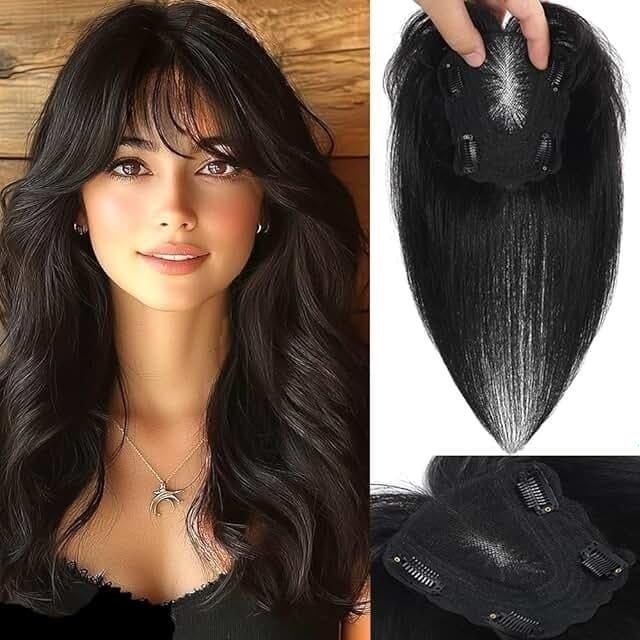
Proper pre-styling care extends the life of a synthetic wig. Use a wig cleanser or a gentle sulfate-free shampoo designed for synthetics. Conditioners formulated for synthetic fibers reduce tangling and frizz. After washing, gently blot excess water with a towel—never wring. Dry on a wig stand to keep the cap shape, and completely air dry before attempting heat styling.
Follow these steps as a safe workflow when the fiber is confirmed heat-tolerant: 1) Detangle and wash if needed. 2) Apply a light synthetic-specific heat protectant. 3) Use a low initial temperature (approx. 250°F/120°C). 4) Test a hidden small section. 5) If the test passes, style in small sections, keeping the tool moving and limiting contact to 1–3 seconds per pass. 6) Once shaped, allow the fiber to cool completely before touching or combing to let the set hold. 7) Finish with a synthetic-safe styling spray to set the look.
After any heat styling, gentle care preserves results: store the wig on a stand or in a breathable bag, avoid excessive friction (pillow rubbing, tight collars), and limit future heat exposures. Periodic deep conditioning with synthetic-safe products can help maintain luster. If you notice roughness, stickiness, or melted spots, stop heat styling immediately and consult the vendor or a wig care professional.


If your wig is expensive, custom, or an heirloom, consider taking it to a professional wig stylist for heat styling. Professionals have experience with different fibers, access to calibrated tools, and techniques that reduce risk. They can also re-shape wigs using mannequins, blocks, and professional-grade heat apparatus with precise temperature control.
After heat exposure, inspect the wig for these signs of damage: matte or dull patches, brittle or crunchy texture, melted clumping or lumps, frizz that cannot be tamed with conditioner, and an unpleasant odor (from partially melted plastic fibers). If you see any of these, discontinue heat styling and consider professional restoration options or replacement.
Helpful items include a temperature-controlled iron (digital display is best), a dedicated synthetic wig detangling brush, a wide variety of foam rollers, wig stands and blocks for shaping, synthetic-friendly heat protectant sprays, and a portable steamer if you prefer gentler heat application. Investing in a good-quality wig cap and sewing kit will also help maintain cap fit and hairline realism, allowing safer styling.
Summary: If you're asking can you use heat on a synthetic wig, the nuanced answer is that it depends on fiber type, manufacturer guidance, tool temperature, and styling method. Prioritize testing, use the lowest effective heat, prefer heatless options when possible, and maintain proper care to extend the life and appearance of your wig. With careful technique and the right products, heat-friendly synthetic wigs can be styled in many ways similar to human hair, but conservative approaches and professional consultation remain best practices for valuable pieces.
