Choosing a wig that appears completely natural is both an art and a science. Whether you are new to wigs or refining a collection, mastering which options provide the most realistic look comes down to cap construction, hair fiber, color and cut, density, parting realism, and styling techniques. This long-form resource explains in depth how to evaluate lace fronts, human hair blends, monofilament tops, and modern heat-friendly synthetics so you can confidently answer the searchers' question: what wigs look most natural.
The cap is the wig's foundation. Lace front caps conceal the hairline and allow off-the-face styles; many consumers searching what wigs look most natural find lace fronts to be a top choice. Monofilament tops are prized because each strand is hand-tied to a sheer base that mimics a scalp and permits realistic parting in different directions. A full lace cap gives the most styling freedom (up-dos, ponytails) because hair is ventilated throughout, but high-quality full lace wigs are costlier. 360 lace offers a workable compromise: a lace perimeter allows styling up while the interior often uses machine-wefted hair for volume and reduced cost. When evaluating cap types, consider your lifestyle (sports, frequent styling), budget, and how often you want to change parting.
Hand-tied hairlines are slower and more expensive to make, but they yield the softest, most irregular hairline that mimics natural growth. This reduces the telltale "straight rim" that signals a wig. Combining a lace front with subtle plucking and professionally created baby hairs gives the illusion of natural follicles emerging from the scalp.
In the debate over what wigs look most natural, human hair often wins for texture, movement, and ability to be heat-styled, colored, or chemically altered. Remy human hair—cuticles aligned in the same direction—resists tangling and looks more realistic. However, modern premium synthetic fibers can mimic human hair closely while holding styles (curls, waves) longer and requiring less maintenance. Blended wigs (mixing human and high-grade synthetic fibers) aim to balance realism with affordability. Consider usage pattern: if you plan to style daily using heat tools, a full human hair wig or heat-resistant synthetic is preferable. If you want consistent curls without daily styling, a premium synthetic may be ideal.
Color is crucial. Single flat colors appear painted and fake. Choose shades with subtle lowlights, highlights, and slightly darker roots for depth. When asking which shades help answer what wigs look most natural, remember your natural undertones—cool, warm, neutral—and match them. Adding 1–2 shades of highlights that fall within the same color family creates dimension. A slightly darker root (root shadow) simulates regrowth and reduces the "wig line" effect.
Density describes how much hair is attached to the cap. Standard densities range from light (less hair) to heavy (very full). Natural hair is seldom uniform; temples and nape are typically lighter. Wigs with density around 120% are often considered most natural for many, while 130% gives a fuller salon look. For those searching what wigs look most natural, look for caps with graduated tapering—lighter at the hairline and temples, fuller through mid-lengths, and slightly softer at the ends.
Realistic parting is a major visual indicator. Monofilament or hand-tied parts allow hair to move naturally and reveal a scalp-like base. Lace fronts with a hand-tied part area can be colored with a thin layer of foundation or specific wig powder to match your skin tone, creating the illusion of a true scalp when hair parts. Many stylists recommend bleaching knots for transparent lace to make knots less visible, but this alters knot strength, so it's best done by pros.
Customization transforms an off-the-shelf unit into an undetectable piece. Plucking creates irregular density at the front; pre-made baby hairs soften the edge and help blend with natural hair or skin. Bleaching knots on lace reduces the darkness of tied knots, creating a more transparent look at the hairline—when done correctly it enhances realism but requires caution to avoid weakening hair attachment. For many people answering "what wigs look most natural," these finishing touches make the biggest difference.
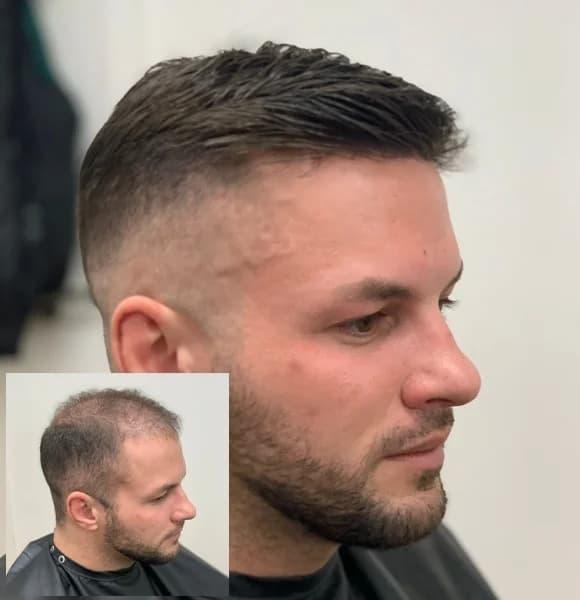
When leaving your own hair out, ensure texture and color match. Blend by creating baby hairs from your natural edge and using subtle flat irons to match the wig’s wave pattern. For short natural hair, wig grips or flexible bands beneath the cap help flatten the hair for a seamless fit. Wigs that answer the query what wigs look most natural often require a small section of your own hair to be paired to soften transitions around ears and nape.
A cut adapted to your face shape is essential. Straight-across blunt ends can look costume-like if density is too even; layered cuts with soft face-framing create natural movement. Consult a stylist experienced with wigs to personalize bangs, layers, and texturizing. Many stylists recommend cutting the wig after you try it on, not before, so the cut suits your measurements and natural hairline.
Wash frequency: human hair wigs should be washed less often than natural hair if you want to preserve style—every 8–12 wears is a common guideline. For synthetics, follow manufacturer advice. Use sulfate-free, wig-specific shampoos and nourishing conditioners; deep condition occasionally to maintain shine and reduce frizz. Never sleep with a wet wig; store on a wig stand to maintain shape. Gentle detangling from ends toward roots prevents stress on knots and keeps the cap durable and realistic long-term.
Human hair tolerates heat styling, but repeated high temperatures will progressively degrade hair and reduce natural luster. Use a heat protectant, set tools to moderate temperatures (below 350°F / 175°C when possible), and prefer rollers or heatless methods for curls. Many modern synthetic fibers are low-heat friendly, but confirm the maximum safe temperature from the manufacturer to avoid melting or warping.

For an undetectable front, adhesives or pressure-sensitive tapes are commonly used. Skin-safe wig glue and tape provide a smooth edge and secure wear for swimming or exercise. Lace adhesive requires careful removal to avoid irritating the skin or tearing the lace; water-based adhesives are gentler than solvent-based products. Non-adhesive options include wig grips, silicone-lined caps, clips, and combs for shorter-term wear. Each method affects realism—secure attachment prevents lifting at the front, which is an immediate giveaway.
If your priority is to answer "what wigs look most natural" convincingly, invest primarily in cap construction and hair quality: a good lace front or monofilament cap with human or premium blended hair will outweigh extravagant styling features. Customization (plucking, bleaching knots, color adjustments) often needs professional assistance—budget for a stylist’s work too. Mid-range wigs can be transformed into highly realistic pieces via skilled finishing, so smart customization may be a cost-effective route.
When evaluating candidates, run this checklist: 1) Is the hair tied individually at the front or monofilament? 2) Does the hair have multi-tonal color and visible root depth? 3) Is the density graded? 4) Can the wig be styled into an off-the-face look? 5) Do reviews include mentions of realistic movement and natural hairline? Units passing these checks are more apt to satisfy the query what wigs look most natural.
After purchase, ask a professional to: slightly pluck the hairline, apply a subtle root shadow, add baby hairs, and trim proportionally to your face. These small adjustments are the difference between "nice wig" and "I can't tell it's a wig."
Answering in plain terms: the wigs that look most natural are those that combine a realistic cap (lace front or monofilament), high-quality fibers (Remy human hair or premium blends), multi-dimensional color with a root shadow, well-graded density, and professional customization such as plucked edges and subtle baby hairs. With proper styling and maintenance, such wigs deliver undetectable results for everyday wear and special occasions—key points for anyone asking what wigs look most natural.
If you follow these steps, your search for what wigs look most natural will end with a wearable, believable result that blends seamlessly with your lifestyle and personal aesthetic.
Look for video tutorials from wig stylists on plucking and bleaching knots, and seek community forums where users post before/after photos. Real examples and user testimonies often reveal subtle differences between similar-seeming units.
The guidance above synthesizes professional and user-tested practices to help you filter options, ask the right questions, and choose a wig that reads as natural under varied lighting and movement.
