The recent questions surrounding what happened to the wig company have sparked a wave of curiosity across social platforms, hair care forums, and consumer review sites. In this comprehensive guide we unpack the timeline, the underlying causes, the customer reactions, and practical steps both buyers and former customers should consider. This article aims to be a thorough resource that explains the likely scenarios while offering actionable advice and credible signs to watch for when evaluating a brand in turmoil.
When consumers ask what happened to the wig company they are usually responding to a cluster of indicators rather than a single headline. Typical signs that lead to increased attention include: sudden inventory gaps, inconsistent customer service responses, abrupt changes in shipping or refund policies, a spike in negative reviews, social media outages or removal of content, and public announcements regarding restructuring, acquisition, or bankruptcy. We explore each of these signals below and explain how they commonly fit together.
The most common real-world causes behind the question of what happened to the wig company are operational. A wig brand can be hit by raw material shortages (human hair, high-quality synthetic fibers, lace), factory closures, or logistic bottlenecks. For example, a supplier dispute or an overseas production shutdown often reduces available styles and sizes, which customers notice immediately. These disruptions can translate into delayed shipments and partial orders — both of which feed into negative feedback loops on marketplaces.
Financial problems ranging from cash-flow shortages to insolvency can lead to public confusion. If a company stops fulfilling orders, reduces staff, or closes physical stores, customers naturally ask what happened to the wig company. In many cases, press releases or public filings eventually reveal whether the company entered restructuring, was acquired by another brand, or declared bankruptcy. Customers should look for official statements and legal notices to confirm what is happening.
Another common scenario is acquisition or rebranding. When a popular wig company is purchased, its website, product lines, and social presence may temporarily vanish or be redirected. New ownership may change supplier relationships or product formulation, resulting in noticeable differences in quality or availability. These transitions often create short-term confusion: customers wonder what happened to the wig company they loved, wondering if their favorite products will return unchanged.
Customers react strongly when a trusted wig brand shows instability. Wigs are often attached to personal identity, medical needs, or professional performance; therefore uncertainty impacts both finances and emotional wellbeing. When answering the question what happened to the wig company it is essential to acknowledge that many customers are dealing with more than an interrupted purchase — they may be coping with health or image-related challenges and need prompt, reliable solutions.
Tip: If you’re affected and need immediate replacements, prioritize retailers who guarantee quick shipping and clear return policies. Check verified reseller channels and read recent customer comments for delivery realities.
Not all negative signals equal permanent closure. If the company maintains some level of public engagement, updates customers, honors warranties, or redirects users to verified affiliates, these are positive signs. The presence of outstanding inventory at authorized sellers, continued updates on social channels, and clear customer service responses indicate a brand likely to weather the storm. When researching what happened to the wig company, these clues can help you estimate the probability of service restoration.
Permanent closure is more probable when customer service lines go silent, the website domain expires, official addresses become invalid, and there are confirmed legal insolvency filings. If the brand removes its products from major marketplaces and there are no credible affiliates still selling, take that as a red flag. Additionally, if refunds and chargebacks are being rejected without explanation, take swift action to protect your consumer rights.
There are three realistic outcomes for most companies in distress: recovery under the same brand, acquisition/consolidation into a new parent company, or full disappearance. Recovery often includes improved transparency and a staged comeback with limited product releases. Acquisition results in a rebranded or signature line continuity under new management. Disappearance means inventory dissolves, customer claims become difficult to resolve, and domain or trademark assets may be sold in secondary markets. Consumers asking what happened to the wig company should prepare for each possibility by preserving purchase records and seeking reputable alternatives.
Whether you’re a returning customer or a new buyer, always practice smart purchasing: buy from verified sellers, check inventory refresh rates, prefer suppliers with strong return policies, and keep photographic evidence of received products. If your question is what happened to the wig company because your order never arrived, immediately document order confirmations, delivery attempts, and any communication; this will help accelerate claims with banks or marketplaces.
When investigating what happened to the wig company you should be aware of your local consumer protections. Many regions require sellers to provide refunds for goods not delivered or misrepresented. Documenting your transactions, keeping email correspondence, and filing timely complaints with consumer protection agencies increases the likelihood of recovering funds.
Retail partners and influencers should maintain diversified supply chains and updated audience communications. If your audience asks what happened to the wig company because you promoted a now-absent supplier, proactively explain steps you are taking, offer alternatives, and consider collaborative refunds or discounts to preserve trust. Transparent communication reduces churn and protects brand equity.
From an SEO perspective, periods of uncertainty around a brand create search traffic spikes for queries like what happened to the wig company. Brands can benefit from timely, well-structured content that answers customer questions while using proper HTML semantics: clear headings, FAQs, and authoritative outbound links. If you run a wig business or an informational site, producing helpful content during such events builds long-term visibility and consumer trust.
Historical case studies show varied outcomes. Some wig companies returned stronger after resolving supplier issues and launching new product lines. Others were acquired and continued under different branding, preserving their most popular designs. A few ceased operations entirely, with customers forced to turn to competing brands. When people ask what happened to the wig company they often reference one of these archetypal stories — learning which path a brand is on clarifies expectations for customers and partners.
If you are directly affected and need quick guidance, use this checklist:
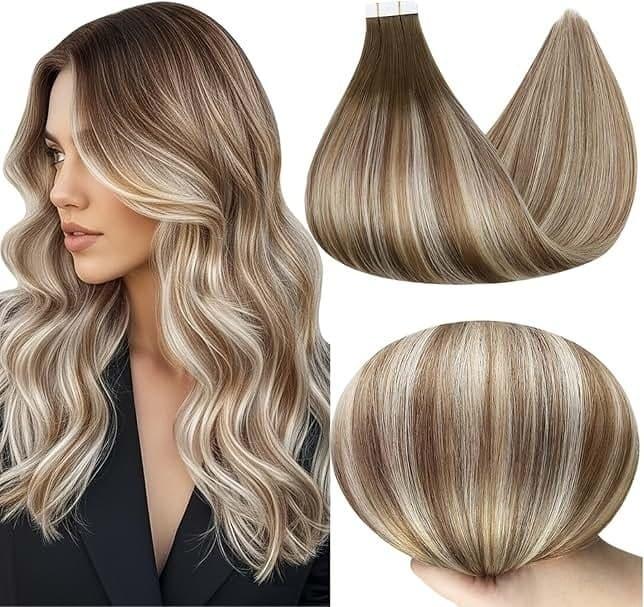
Future purchases can be safer if you adopt a few best practices: prefer retailers with proven track records, use payment methods with buyer protections, avoid pre-orders from unverified startups if you need reliable delivery timelines, and maintain relationships with local salons or specialists who can recommend trusted wig sources. Answering the broader public curiosity of what happened to the wig company is about learning from incidents and reducing future risk.
The question what happened to the wig company captures a mix of consumer anxiety, market dynamics, and business realities. By assessing official communications, marketplace signals, and supplier footprints, customers can form a clearer picture of the situation. Whether the brand is reconstructing, being acquired, or disappearing, the most important immediate steps are documentation, protective financial actions, and seeking credible alternatives. Long-term resilience requires transparency from sellers and cautious, informed purchasing from buyers.
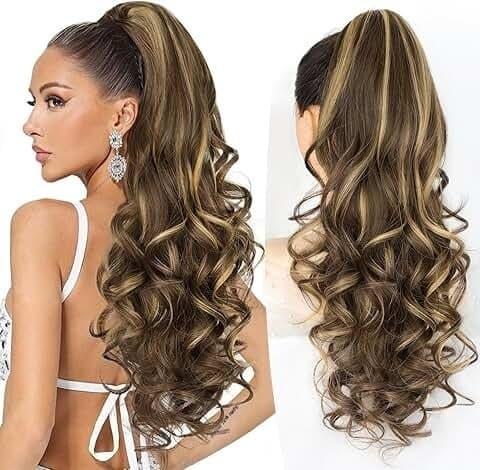
For ongoing updates, check: company social channels, verified reseller listings, government business registries, and reputable industry news outlets. Community forums and verified reviews help but require careful vetting for authenticity. If your question was what happened to the wig company because you personally experienced a loss or a service failure, consider reaching out to consumer protection agencies or legal counsel to explore recovery options.
In short, the mystery behind what happened to the wig company often has roots in supply chain, financial, or structural changes. Remaining informed, storing transaction evidence, and knowing how to validate claims will help you navigate similar events in the future. Stay alert for official updates and consider reputable alternatives if you need immediate replacements.
A: Look for official statements, expired domain or inactive verified social accounts, confirmed legal filings, and absence of inventory across major authorized retailers. If multiple red flags align, permanent closure is more likely.
A: Contact your payment provider to request a chargeback, keep all documentation, and file complaints with consumer protection agencies. Also search for the brand’s authorized resellers who may be able to assist.
A: Yes. Choose suppliers with clear sourcing information, many dated customer reviews, and strong return policies. Local wig specialists and salon partnerships can also provide immediate, reliable solutions.
