If you've ever wondered what is a hd lace wig and why many stylists and wig wearers choose it for a natural, undetectable hairline, this comprehensive guide explains the essentials in plain language. HD lace is a delicate yet advanced lace material that virtually disappears against the scalp, creating a seamless transition from skin to hair. Unlike traditional lace types, HD lace is thinner, finer, and often made from a special polymer blend that refracts light in a way that mimics the natural scalp. This article breaks down construction, types, installation methods, customization techniques, maintenance, and troubleshooting so beginners can learn to select and care for an HD lace unit with confidence.
To understand what is a hd lace wig, compare it to common alternatives: swiss lace, french lace, and standard lace front materials. Swiss lace is soft and fine but still visible on certain skin tones; french lace is thicker and more durable but easier to detect; traditional lace front is often more pronounced at the hairline. HD lace is engineered to be ultra-sheer, lightweight, and extremely thin so that, when applied correctly, it blends with many complexions without needing heavy tinting. Because it's so sheer, HD lace requires gentle handling during installation and maintenance.
HD lace can be integrated into many wig constructions. Understanding cap design helps you choose the right style for your needs. Common formats include:
Full lace units have HD lace across the entire cap, allowing for complete parting versatility and updo styles. They offer the most realistic scalp illusion but are typically the priciest option.
These have HD lace along the front hairline and a more conventional cap in the back. They balance realism at the front with durability at the crown and often cost less than full lace pieces.


Some HD units are designed to be worn without adhesives, featuring adjustable straps, combs, and silicone linings that grip the scalp. These are ideal for sensitive skin or for wearers who prefer less daily maintenance.
U-part wigs can include a small HD lace section near the face to give the illusion of hair growth while allowing you to leave out some of your natural hair for added blending.
When shopping, know indicators of authentic, high-quality HD lace. Good HD lace should:
Watch for overly cheap units marketed as "HD" — manufacturers sometimes misuse the term. Inspect the lace closely under bright light and ask for close-up photos before purchasing online.
Before addressing what is a hd lace wig in practical terms, prepare your natural hair and the wig. Essential steps include:

Because HD lace is so sheer, some wearers need minimal tinting. Tinting methods include using lace tint sprays, makeup, foundation, or tea/coffee rinses for temporary results. Test shades on a small lace area first to avoid staining the hair. Bleaching knots is also a common practice to reduce the visibility of dark knots on light skin tones, but it must be done cautiously to avoid weakening lace fibers.
There are several reliable ways to install an HD lace wig. The method you choose depends on lifestyle, skill level, and how long you plan to wear the unit.
Pros: Ultra-flat finish, long wear (1–3 weeks depending on product). Cons: Requires skill and care to avoid skin irritation and residue.
Key tips: Use a skin-safe adhesive, apply in thin coats, allow tackiness before securing the lace, and seal the edges with powder or sealant for durability.
Pros: Easier to apply and remove than liquid adhesives. Cons: Tape can lift with sweat or oil and may need frequent reapplication.
These use the wearer’s braided base as the anchor. They avoid adhesive entirely and are great for long-term wear, though the wig may appear slightly raised compared to adhesive methods.
Pros: Best for beginners and sensitive scalps. Cons: Not as flat at the perimeter and may require creative blending with edges or baby hairs.
One of the defining questions related to what is a hd lace wig is how to make the hairline look like natural growth. Customization steps include:
Invest in a pair of sharp hair-cutting scissors, a fine-tooth tweezers for plucking, lace scissors for trimming, a ventilating needle (for advanced custom work), and elastic bands or wig grips for safe holding during styling.
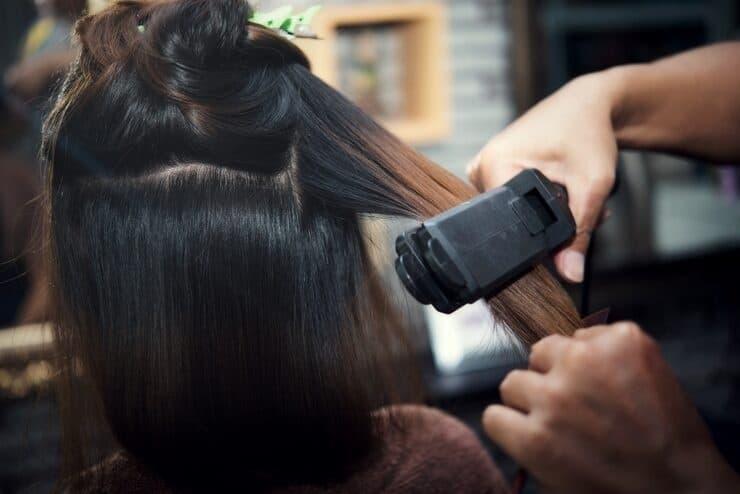
Since many HD lace wigs are made with human hair, you can use heat styling tools for curls, waves, and sleek straight looks. Always use a heat protectant and start at lower temperatures to extend the lifespan of the hair. For synthetic HD lace units, confirm the heat tolerance before applying any thermal tool.
Human-hair HD units can typically be colored or toned, but professional colorists should handle substantial color changes to avoid uneven results. Avoid overprocessing and respect the condition of the hair — too many chemical services reduce longevity.
Proper maintenance keeps an HD lace wig looking fresh and lasting longer. Key routines include:
Even experienced wig wearers encounter problems. Here are practical fixes:
Clean the scalp surface thoroughly before reapplying adhesive or tape. Use alcohol wipes to remove oil and residue, apply a fresh thin adhesive layer, and press the lace down for several minutes to set.
Use a rosemary oil rinse or a gentle shampoo to soften the lace appearance, or carefully bleach knots and tone if necessary.
Choose higher-grade hair and avoid brushing aggressively. Light serum can reduce friction but avoid heavy products that build up on lace.
A well-cared-for HD lace wig can last from several months to more than a year depending on wear frequency and maintenance. Expect HD lace units to be priced higher than basic lace because of the advanced materials and more labor-intensive production.
When buying online or in-store, verify return policies, look for detailed close-up images, and read reviews that discuss the lace specifically, not just the hair. Beware of listings that claim "HD" without clear photos — low-quality lace disguised as HD is common. Ask sellers about knotting, density, and whether the lace has been pre-bleached or tinted.
Beginners often benefit from a professional installation at least once. A stylist experienced with HD lace can pre-pluck, bleach knots safely, and demonstrate how to lay baby hairs and secure the lace. After observing the process, many wearers gain confidence to perform regular maintenance themselves.
HD lace is thinner and more susceptible to environmental wear from sun, sweat, and saltwater. Rinse gently after excessive sweating, and avoid chlorinated pools to prevent stiffness or discoloration. Use sun-protectant sprays formulated for hair to protect both color and fibers.
If your main priority is an undetectable hairline for photography, performances, or everyday realism, HD lace is an excellent option. It requires a thoughtful approach to handling and may need customization. If you prefer low-maintenance, glueless options, choose HD lace styles designed for those methods, or consider a high-quality swiss lace if durability is a greater concern.
Always remove your wig gently, clean adhesives from both lace and skin thoroughly, and store the unit properly. Regular light maintenance extends life and preserves the natural look that makes HD lace so sought after.
A: Generally yes — HD lace is ultra-sheer and blends with many tones, but slight tinting may be required to perfectly match certain complexions.
A: Swimming is possible but not ideal. Chlorine and saltwater can damage both lace and hair; use a swim cap where possible and rinse carefully after exposure.
A: Wash every 7–14 days if worn daily, and extend to longer intervals if worn less often. Always use gentle, sulfate-free products.