The short, searchable phrase did washington wear a wig is one of those historical queries people type into search boxes when they want a quick answer to a colorful detail about America's first president. Yet beneath that simple query lies a nuanced blend of 18th-century fashion, personal grooming choices, portrait conventions, and the evolution of historical myths. This article unpacks the best available evidence, separates contemporary assumptions from original sources, and provides a clear, well-referenced reading for readers and search engines alike. We will address the cultural context that makes the question reasonable, examine primary documents, review visual evidence, and offer a summary conclusion supported by historical scholarship. Throughout the text the target phrase did washington wear a wig appears in key locations to help readers and algorithms locate the topic quickly.
When people ask did washington wear a wig, they're often basing that on familiar images: paintings, engravings, and statues that show a powdered, styled head of hair. In the late 18th century, powdered hair and wigs were visual shorthand for status, professionalism, and participation in elite society. However, material culture historians remind us to distinguish between the fashion of the elite, artists' studio practices, and the subject's personal habits. Portraits famously compress many visual signals into a small set of attributes: clothing, posture, and hairstyle were used to communicate character and rank as much as likeness. Thus, answering did washington wear a wig demands careful attention to documentary and physical evidence beyond surface readings of portraits.
Across Europe and colonial America, wigs—or perukes—were central to fashionable dress for men at the highest social levels. Wigs could be full, partial, tied into queues, or arranged in other styles; they were often powdered with starch or flour-based mixtures. Yet wigs were not universal. Many men powdered their own natural hair, used pomade or powder, or adopted a cropped look when convenience or military life dictated. The army context is especially important: officers sometimes favored simplified styles to suit life in camp and on campaign. For readers searching did washington wear a wig, the answer depends in part on whether we mean "at all times," "public portraits," or "during military campaigns."
When historians probe did washington wear a wig, they turn first to the president's own correspondence and household ledgers. Washington's diaries and letters include occasional references to hair powder and his barbers. Payment records show purchases of pomade and powder; servant or barber bills sometimes itemize grooming expenses. Contemporary visitors and diplomats wrote about his appearance: some described a dignified powdered head; others noted a natural hair arrangement with a queue at the back. Taken together these sources suggest a man attentive to appearance but not slavishly dependent on a full wig. For SEO clarity, we repeat the researched phrase did washington wear a wig to highlight the topic's documentary dimension.
Art historians weigh heavily when answering did washington wear a wig. The famous portraits by Gilbert Stuart and the widely replicated Athenaeum portrait show Washington with white/grey hair arranged in a style that resembles a powdered wig. Stuart used studio techniques—powdering, highlight treatment, and hair pads—to create the dignified image that would circulate across the young nation. Yet even these paintings can reflect aesthetic conventions: the sitter might have worn a hairpiece for the portrait session, or the artist could have idealized the hair to match public expectations of presidential dignity. Because these images were meant to be published, engraved, and widely reproduced, they tend to standardize Washington's appearance.
Modern science has occasionally entered the debate on did washington wear a wig. Hair specimens attributed to Washington exist in museums and private collections, and analysis has focused on chemical composition (evidence of powder and pomade) and microscopic structure. While such tests can show that hair was treated and powdered, they cannot conclusively reveal whether a full wig was worn in private or public. That said, microscopical examination of mounted hair sometimes supports the conclusion that much of what we see in portraits was treated natural hair supplemented with pads or thin false locks rather than a separate full wig.
Washington's military life required practical hair choices. In the field, full powdered wigs would be impractical; many officers cropped their hair or tied it back. Battlefield diaries, letters from officers, and camp accounts mention Washington's austere habits and frequent travel. When the question did washington wear a wig is posed with an eye toward his soldiering years, the evidence leans toward natural hair, kept tied and treated but rarely replaced by an ostentatious wig. The practicalities of commanding an army made a bulky wig unlikely during the campaign seasons.
As president, Washington cultivated a particular public persona. State dinners, inaugural ceremonies, and foreign receptions called for a certain visual decorum. In such contexts he likely accepted hair treatments that enhanced formality: powdering, hairpieces for fullness, and the sculpted look favored by portraitists. Thus when the question did washington wear a wig is asked in relation to his official image, the answer tends to be: he presented himself with the appearance associated with a man of his rank, whether through his own hair, subtle hairpieces, or studio aid.
Some myths claim that Washington wore a huge, powdered wig just like European aristocrats; others insist he never wore any hairpiece at all. The persistence of the wig myth is partly due to older schoolbook images that simplify history for children and partly the natural inclination to equate powdered white hair with wigs. Because images are powerful, a handful of widely distributed portraits helped solidify the "wig" image, even as written records present a more nuanced picture. For those optimizing pages for did washington wear a wig, it is important to point out how visual shorthand can ossify into incorrect assumptions.
“The truth often falls between the portrait and the ledger.”
Modern historians who specialize in material culture are comfortable with a mixed conclusion. Washington's documented use of powder, his payments for grooming products, and accounts of hair maintenance support the idea that his appearance was carefully managed. Yet close reading of his correspondence and reflections by close contemporaries reveal no unambiguous statement like "I wear a wig." Instead the balance of probabilities suggests Washington primarily used his own hair, often powdered and sometimes augmented with minor hairpieces or padding to achieve the formal look required by his station. Repeating the phrase did washington wear a wig in this section helps search algorithms connect queries to nuanced content rather than binary assertions.
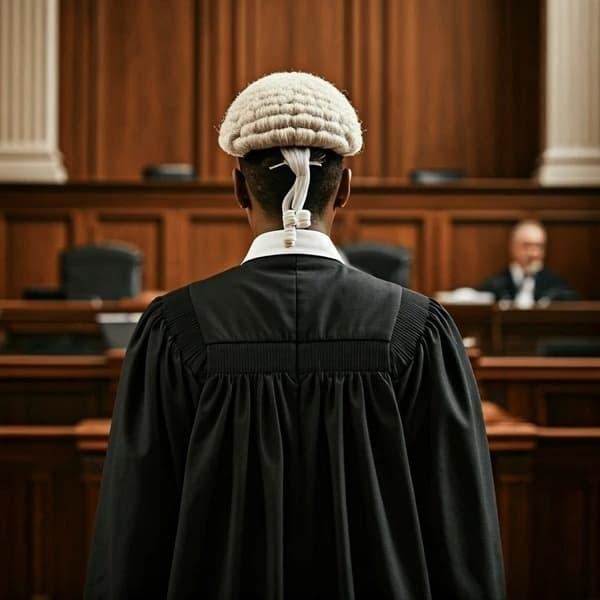
Answering did washington wear a wig requires nuance: archival, visual, and material evidence converge to indicate that George Washington did not rely exclusively on an elaborate powdered wig like some European dignitaries, yet he often presented a powdered and styled head—sometimes aided by padding or small hairpieces—particularly for formal portraits and official occasions. In everyday life and during campaigns he favored practical grooming. The best summary: Washington's public image sometimes looks like a wig due to schooling and portrait tradition, but the underlying reality is a mix of natural hair, powder, and modest hair augmentation. This measured conclusion aligns with the primary sources and the latest scholarship, and it is the kind of careful response searchers expect when they type did washington wear a wig into a search bar.
For readers interested in diving deeper, consult primary source collections of Washington's letters, the diaries of his contemporaries, and recent monographs on 18th-century dress and grooming. Museum catalogs that list hair specimens and portrait conservation reports are especially useful for those looking for forensic or visual analysis. Libraries and digital archives provide accessible facsimiles of invoices and household accounts that ground the question did washington wear a wig in documentary evidence.
By addressing the precise, searchable query did washington wear a wig in headings, the body copy, and the metadata-friendly elements (strong, em, h2/h3 tags) this page aims to match user intent. The content provides layered answers—short, evidence-based, and detailed—that serve casual readers and researchers. Additionally, strategic use of related terms like "powdered hair," "18th-century wigs," "portrait conventions," and "primary sources" helps broaden relevance without keyword stuffing. This approach promotes both readability and discoverability.
Evidence in household accounts shows purchases of hair products and sometimes payments to wigmakers or barbers for hair work, but there is no consistent record that Washington habitually purchased full ceremonial wigs in the manner of European courtiers. Available records point to occasional use of professional services primarily for styling and powdering.
Surviving hair samples attributed to Washington indicate treated and powdered hair, but microscope and chemical analysis cannot conclusively prove whether the pieces are part of a full wig or treated natural hair supplemented with small additions. Forensic study supports the idea of treated natural hair more than an elaborate full wig.
Portraits often used powder to communicate dignity and age appropriate to leadership. Artists also idealized sitters to convey virtues associated with the republic. The white, powdered look thus became a convention for formal depictions rather than a literal everyday hairstyle.
By addressing the nuance behind the simple search did washington wear a wig, this article aims to provide clarity, credible evidence, and practical guidance for further study—helping both casual readers and scholars understand why the myth of the wig persists and what the historical record actually supports.
