
why were powdered wigs worn: Unpacking social, medical and sartorial motives
The question why were powdered wigs worn invites a layered answer: a mixture of status signaling, hygiene concerns, medical reasoning, fashion mechanics and legal or institutional custom. This deep-dive explores those intertwined causes, showing how a hair accessory became a visual shorthand for power, cleanliness, and cultural identity across the 17th and 18th centuries and how echoes of that practice survive in modern ceremonial dress.
Overview: context matters
To understand why were powdered wigs worn we must look beyond the simple image of aristocrats sporting white curls. The emergence of the wig involved supply chains (hair, powder, starch), professions (barbers, perruquiers), and social rules that regulated appearance. Wigs were not only fashion statements; they operated as public health measures, legal emblems, and practical solutions to hair loss and head-lice epidemics. Below, we outline major categories of reasons and then unpack the specifics.
1. Social and symbolic reasons
Status and distinction: The most visible explanation for why were powdered wigs worn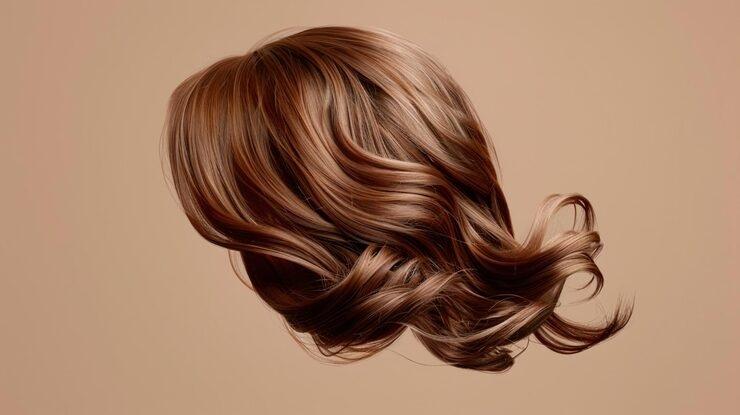 is social signaling. In an era when clothing and appearance coded rank, a large, ornate wig instantly communicated wealth and leisure. Powdering the wig to a bright white or silver hue amplified that signal, because white powder required time, money and access to specialized goods.
- Class marker: Powdered wigs signaled aristocratic or professional rank. Courts, parliaments and fashionable salons adopted specific wig styles to mark insiders.
- Urbanity and cosmopolitan taste: Wearing a powdered peruke aligned an individual with metropolitan trends from Paris and London, distinguishing urban elites from rural populations.
- Legal and institutional symbols: In many jurisdictions judges and barristers kept wig traditions, so powdered wigs conveyed institutional authority. This explains part of the continued ceremonial use in courts and some churches.
2. Practical and medical reasons
Surprisingly to modern readers, one of the practical answers to why were powdered wigs worn centers on lice, skin disease and the realities of personal cleanliness in earlier centuries.
- Lice control: Shaving hair short or removing it reduced lice reservoirs; wearing a removable wig allowed easier control. Wigs could be combed, boiled, powdered and aired. Powder—made from starch, rice powder or occasionally lead—helped reduce lice visibility and made combing and delousing simpler than with matted natural hair.
- Scalp disease and hair loss: The 17th and 18th centuries saw treatments and conditions that produced extensive hair loss (syphilis, scalp infections, harsh chemical treatments). Wigs provided an elegant cover for patches, infection marks or the aftereffects of aggressive remedies.
- Masking odors and urban sanitation: Smells in densely populated towns were potent. Powdered wigs, sometimes scented with lavender, rose or bergamot, helped mask body odors and the smell of polluted streets and houses—another practical layer to the question why were powdered wigs worn.
3. Fashion, technique and perception
Understanding technique is key to appreciating why powdered wigs were worn. Powdering changed not only color but texture and perceived volume.
Powder as texture and silhouette enhancer
Powder, applied liberally, stiffened hairs and created matte surfaces that made elaborate shapes and towering silhouettes hold together. The aesthetic values of the time prized height and geometric forms; powdering emphasized these features. The visual whiteness also reflected status: a bright white wig couldn't be achieved by washing alone; it required time, products and ongoing maintenance.
Materials and application
Powders were made from starches, finely milled flour, or other vegetable-based substances. In some contexts arsenic- or lead-containing compounds were used (a medical and toxicological hazard). Application methods ranged from brushing and shaking to more elaborate treatments using pomades and scent oils. Barbers and wigmakers (perruquiers) controlled this craft, making wigs both a specialized product and a fashion commodity.
4. Psychological and identity reasons
Wigs allowed wearers to craft identities. Soldiers returning with shaved heads could adopt a civilian persona. Merchants aspiring to gentility could adopt courtly coiffure. The wig served as a mask, enabling social mobility and the creation of a consistent public persona. This social psychology helps explain persistent curiosity about why were powdered wigs worn—they were tools in identity management as much as adornment.
5. Economic and trade dimensions
Wig culture depended on trade networks: human hair markets, starch and scent suppliers, and barbershop services. Colonies and global trade influenced available materials, from exotic fragrances to powdered ingredients. Wealthy consumers could afford imported ingredients and elaborate maintenance, reinforcing class divisions and creating demand for artisanal wigmakers.
6. Legal regulation and etiquette
In some places, sumptuary laws and court etiquette prescribed certain wig styles or powdering rituals. Judges, magistrates and officials wore wigs as part of a formal costume; powdered versions became associated with sober authority. The ritualized dimension—formal wear for public office—helps answer the question why were powdered wigs worn by showing their function as a uniform.
7. Decline and legacy

Wig popularity waned in the late 18th and early 19th centuries for many reasons: changing tastes favoring natural hair, Enlightenment ideals of simplicity, the cost and impracticality of maintaining large powdered wigs, and public health concerns about toxic powders. Yet traces remain: courtroom wigs in some jurisdictions, ceremonial military dress, and theatrical costuming. Modern fashion revivals, from punk to haute couture, occasionally borrow powdered-wig aesthetics for dramatic effect.
Frequently overlooked nuances
Several subtleties complicate the simplistic answer to why were powdered wigs worn:
- Gendered practices: While both men and women wore wigs, styles, powder colors, and social meanings differed. Men's powdered wigs became particularly associated with public office and law; women used wigs and powder for elaborate court dress and theatricality.
- Color variation and symbolism: White and silver signified age, wisdom, and sobriety; pastel powders (tinted with lavender or yellow pigments) appeared at some times as fashionable claims to novelty.
- Regional variation: French, English and Italian courts had distinguishable wig cultures. The diffusion of styles followed political influence as much as fashion trade routes.
- Health hazards: The use of toxic compounds in some powders contributed to headaches, respiratory issues and, in extreme cases, systemic poisoning. These medical problems fed back into changing fashions as safer alternatives became preferable.
How to read portraits and material culture
Art historians extract clues from portraiture and surviving wigs. Paintings showing powdered wigs tell us about texture, volume and context: are wigs being worn indoors? At court? Are they accompanied by powdered faces and cosmetics? These visual cues help answer questions about social rituals behind the practice of powdering.
What contemporary observers said
Contemporary diaries, etiquette manuals and barber’s handbooks reveal explicit rationales. Some authors argued that wigs were hygienic, others that they were extravagant displays of vanity. The multiplicity of voices confirms that there was no single reason for powdering: it was a cultural practice with many overlapping motives.
Practical tips for modern reenactors and conservators
For those studying or reproducing powdered wig culture today, practical advice follows:
- Use modern, non-toxic starches and food-grade powders to recreate the look safely.
- Consult conservators when handling historical wigs; many antique powders are fragile and potentially hazardous.
- Study barbers’ manuals for authentic application techniques—powdering was as much about method as material.
Summary: a composite answer
The short, nuanced response to why were powdered wigs worn is that they functioned simultaneously as status markers, practical responses to hygiene and hair loss, fashion innovations that manipulated silhouette and texture, and symbolic uniforms for institutional power. Powdering itself amplified visual contrast, masked odors, reduced lice problems to some extent, and signaled adherence to elite norms. The practice persisted as long as its social, economic and aesthetic incentives outweighed its costs and risks.
Key takeaways
- Powdered wigs were multifunctional: social, medical, aesthetic and symbolic.
- The practice involved artisanship and trade, creating economic ecosystems around appearance.
- Health concerns and changing taste drove the decline, but ceremonial echoes remain.
Whether seen in a courtroom, a painted portrait or a historical novel, powdered wigs encapsulate an era when appearance, public health and hierarchy were visibly entwined. Asking why were powdered wigs worn opens a window onto the complex social worlds of early modern Europe and reminds us how material culture can encode meaning in hair, powder and silhouette.
Further reading and resources
For readers seeking deeper scholarship: consult interdisciplinary works combining fashion history, medical history and legal costume studies. Museum catalogues on 18th-century dress, exhibitions on barbery and the history of hygiene, and primary sources like barber manuals provide rich detail on application techniques, materials and social contexts.

FAQ
- Did powdering actually prevent lice?
- Powdering helped by making hair easier to comb and by masking lice visibility, and removing wigs for cleaning was simpler than treating matted natural hair, but powdered wigs were not a perfect solution and could still harbor pests.
- Were powdered wigs only for the rich?
- Mostly yes—powdered wigs were a sign of wealth and leisure because maintaining them required resources. However, lower-cost styles and simplified wigs existed for working professionals and the upwardly mobile.
- Were powders toxic?
- Some historical powders contained harmful substances like lead or arsenic; these contributed to health complaints and eventual reform of cosmetic materials. Modern reproductions use safe, non-toxic ingredients.