If you have ever shopped for a wig, one of the phrases you might have encountered is what does 200 density wig mean. This concept is fundamental to choosing the right wig for your lifestyle, styling preferences, and daily wear comfort. In this comprehensive guide we'll unpack hair density, explain practical differences between common density levels, and walk through selecting the best volume for cutting, heat styling, daily maintenance, and long-term care.
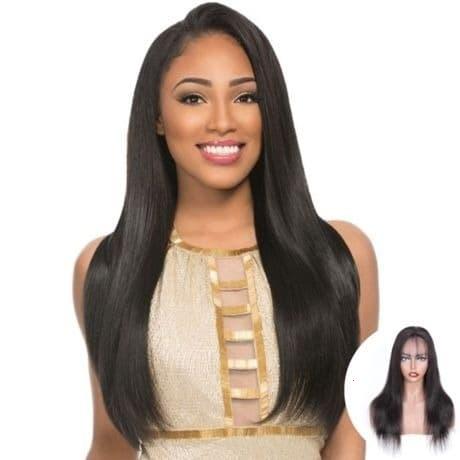
The term "density" in the wig world refers to the amount of hair present on a wig cap in relation to a natural head. It is expressed as a percentage that compares wig hair fullness to average human hair. Unlike weight or length, density is about fullness — how thick or sparse the hair appears. Simple benchmarks used in the industry include low densities (around 80-120%), medium densities (130-150%), and higher densities (180-220% and above). When shoppers search what does 200 density wig mean, they are essentially asking how full a wig with 200% density will look and behave compared to other densities.
There is no single laboratory test for "density" on wigs; manufacturers typically label density based on volume and visual fullness. A 100% density wig aims to approximate the average hair thickness of a natural head. A 200% density wig therefore contains approximately twice the hair volume of a standard 100% measurement. Important note: terms vary between brands, and a "100%" from one maker might read slightly different from another. For SEO clarity, remember the phrase what does 200 density wig mean as a user-query anchor that points to this principle: ~200% indicates significantly fuller hair than standard.
Visually, a 150% density wig generally looks natural with a touch of fullness suitable for everyday wear; curls and layers are present without overwhelming bulk. A 200% density wig ramps up thickness: you’ll notice more body, more layered movement, and a denser silhouette ideal for voluminous styles. At 250% or higher, the wig reads as very full — excellent for dramatic, glamorous looks but sometimes heavy for daily casual styles. If you query what does 200 density wig mean in search engines, expect results comparing these exact differences: 200% is the sweet spot between a natural look and striking volume.
A 200% density wig suits people who want standout volume without extreme bulk. If you like to create soft, bouncy curls, full blowouts, or layered cuts that frame the face strongly, a 200% wig will perform well. It’s also ideal for styles where part visibility is minimized (center or side parts with volume on both sides) and for texture-rich looks such as waves, ringlets, or thick straight styles. For those wondering what does 200 density wig mean in terms of everyday wear, consider how you like your hair to sit: if you normally wear your natural hair with noticeable thickness, 200% will match or slightly elevate that fullness.
Choosing density should be balanced with face shape. Round faces often benefit from vertical length and less horizontal bulk at the cheeks — a 200% wig can work if styled with layers that slim the silhouette. Oval faces handle volume well, so 200% offers a flattering, abundant look. Square faces may prefer controlled fullness rather than all-over volume; here, a skilled stylist can thin and layer a 200% wig to flatter jawlines without creating heavy width.
A 200% wig delivers excellent styling versatility. It holds shape: curls look bouncy for longer, waves appear fuller, and textured updos gain body and grip. If you plan to create elevated styles, braids, or voluminous ponytails, selecting a wig with around 200% density will give you material to work with, making complex styles look polished rather than sparse. This addresses one common search intent tied to the phrase what does 200 density wig mean: people want to know if 200% gives them enough hair for the styles they imagine — generally it does.
When deciding, factor in:
Professional cutting can transform a 200% wig from "too much" to "just right." Layering reduces perceived bulk while maintaining body. Texturizing shears and point-cutting create movement. If you’re asking what does 200 density wig mean for haircutting, remember this: an experienced stylist can thin without making the wig look lifeless. Always cut less than you think you need, then evaluate under normal light and motion.
The perceived density also depends on hair type (synthetic vs human hair, straight vs curly) and cap design (lace front, full lace, hand-tied). Curly textures take up more visual space, so the same numerical density reads fuller on curly hair than on sleek straight hair. Lace fronts with deep parts can make a 200% wig appear both voluminous and natural if the part is blended well. In short: what does 200 density wig mean is influenced by texture and cap technology as much as by fiber quantity.
For the best results, use these techniques:
Consider smaller, natural-looking parts to control the impression of thickness. If you want volume without a heavy center, place your part slightly off-center and tease gently at the roots, or use root-lift products designed for wigs. These small adjustments address the practical implication of the keyword what does 200 density wig mean — a fuller wig can be shaped by smart parting choices.
Higher density wigs require consistent care to remain soft, manageable, and tangle-free. Here’s a durable routine:
Because 200% wigs have more fibers, they can be prone to tangling at the nape and around the crown where friction is greatest. Sleep with a satin bonnet and consider sewing a thin elastic band in the interior for stability rather than tightening straps that can distort the cap. When users ask what does 200 density wig mean in terms of upkeep, this friction issue is a major reason to adopt protective routines.
Human-hair 200% wigs tolerate heat styling, but you must use moderate temperatures and thermal protectants. Synthetic high-heat fibers or heat-resistant synthetics can also be styled within manufacturer specs. Overheating any wig may cause fiber damage and accelerate shedding, which undermines the benefits of a high-density purchase.
When shopping, evaluate photos and close-ups, request fiber-level details, and, if possible, see the wig in person. Try to detect the feel and weight: a 200% wig should feel fuller but still comfortable on the head. Read reviews for how the wig performs after repeated washes and styling. Search queries like what does 200 density wig mean often reflect buyer concerns about weight and maintenance — expert and user reviews often answer these directly.

If a ready-made 200% wig is too much or too heavy, a stylist can reduce density by selectively removing tracks or by layering. Conversely, if you need extra fullness beyond commercial 200% options, you can add wefts or extensions. This is why shoppers frequently ask what does 200 density wig mean — because density is flexible and can be altered to match a vision.
Higher density normally increases cost: more hair means higher material and construction expense. Keep budget in mind alongside your goals. A 200% human-hair wig will usually be pricier than a 150% due to labor and raw material needs, but the investment pays off in styling options and a luxurious look.
Myth: Higher density = better quality. Reality: Density relates to volume, not inherent quality; fiber type and construction define quality. Myth: All 200% wigs look identical. Reality: Texture, color, cap design, and fiber quality create dramatic differences in appearance even at the same density. When researching what does 200 density wig mean, keep in mind these nuanced distinctions.
Answer these questions before you buy:

If most answers lean toward dramatic, special-occasion styling or you love voluminous looks, a 200% density wig is an excellent choice. For low-maintenance natural styles, consider 130–150%.
Example A: Soft, voluminous waves — a 200% lace front wig, cut into long layers, creates a cascading effect that holds bounce. Example B: Sleek, thick bob — a 200% straight wig will look lush and full at chin length, but require periodic thinning at the ends to avoid a blocky silhouette. Example C: Braided updos — 200% is generally preferable because it gives braids substance and a luxurious finish.
Use a mannequin head or a padded wig stand to keep the shape and avoid flattening the crown. Store away from direct sunlight and dust. For very long-term storage, braid the wig loosely or use a satin bag to prevent tangling. Proper care preserves the value of a 200% density investment.
To summarize the essence behind searches like what does 200 density wig mean: a 200% density wig delivers noticeably full, voluminous hair that supports a wide range of glamorous styles. It balances natural appearance and dramatic body, making it a popular choice for those who want noticeable yet manageable fullness. Pair your choice with the right cap, fiber type, and professional cutting for the best result.
Buying tip: Always confirm density standards with the retailer, consider asking for close-up photos of the part and hairline, and if possible see shade swatches or in-person samples.
A1: Not necessarily. When properly cut, styled, and blended with a natural hairline or lace front, a 200% wig can look very natural while offering more body than average. The key is proportion and professional shaping.
A2: Yes, it can be heavier because of more fibers, but weight differences are typically moderate. High-quality caps are designed to distribute weight comfortably; if weight is a concern, try on different cap constructions before purchase.
A3: Only if the synthetic fiber is labeled heat-resistant. Always follow manufacturer temperature guidelines and use protective products where recommended.
A4: Frequency depends on wear and product use; generally wash every 8–12 wears for human hair and every 12–20 wears for synthetic wigs unless the wig is exposed to heavy product or smoke, in which case wash sooner.
Ultimately, understanding what does 200 density wig mean empowers you to make informed choices about volume, styling, and care. Whether you prioritize glam, everyday wearability, or a balance of both, density is a practical lever you can adjust — either by choosing a different factory density or by customizing an existing wig with the help of a stylist. Invest in quality, maintain a consistent care routine, and enjoy the confidence that comes with hair that matches your personal aesthetic goals.