The world of costume play rewards attention to detail, and one of the most visible details is a well-styled wig. Whether you're aiming for anime precision, realistic character likeness, or inventive original designs, knowing how to style cosplay wigs transforms a good costume into a great one. This guide is written with both beginners and experienced cosplayers in mind, focusing on sustainable, heat-safe, and long-lasting methods you can use to achieve professional results. Read on for a structured, step-by-step approach featuring twelve essential techniques, troubleshooting tips, and maintenance advice to keep your wig looking fresh through travel, photoshoots, and conventions.
Cosplay relies on visual accuracy, and hair is central to a character's silhouette and persona. Poorly styled hair can undermine otherwise excellent craftsmanship. Learning how to style cosplay wigs involves mastering basic wig-handling skills, understanding different fiber types, and applying the right tools and products. This leads to better photos, more confident performance, and longer wig lifespan.
 (verify the label before applying heat)
Not all synthetics behave the same. There are several categories: basic non-heat fibers, premium heat-resistant synthetics, and human-hair wigs. When learning how to style cosplay wigs, always confirm fiber type. Heat-safe synthetic fibers tolerate low-to-medium heat and can be reshaped with a flat iron or curling iron set to recommended temperatures (often 250°F–300°F/120°C–150°C), while non-heat fibers will melt or frizz. If in doubt, perform a hidden strand test: start at the lowest heat and check for changes. Heat-safe wigs will soften and re-form rather than blister.
Before any styling, clean the wig to remove factory coatings, travel dust, and oils that impede styling products. Use a mild wig shampoo and lukewarm water. Avoid rubbing or twisting; instead, gently swish and rinse. Apply a wig-safe conditioner to long fibers and rinse thoroughly. Press excess water with a towel and place the wig on a stand to air-dry in its natural flow. Never use a hair dryer on non-heat fibers.
Pin the wig securely to a mannequin head to mimic the angle your head will present when worn. Use clips to separate front, crown, sides, and nape. Planning here reduces mistakes later. Mark reference lines with a washable marker or use pins, especially for complex asymmetrical styles.
For heat-safe synthetics, heat shaping is transformative. Pre-heat devices to the manufacturer's recommended lowest setting, apply a synthetic heat protectant evenly, and work from the inside-out. Use a flat iron to create crisp spikes or a curling iron for soft curls; hold each section briefly to avoid fiber fatigue. For large, structured shapes, mold the heat-shaped section around foam forms and secure while cooling so the fiber 'sets' in place.
Many cosplay styles rely on support inside the wig cap. Sew thin foam strips or use wire supports to hold extravagant shapes. When inserting supports, ensure they are covered with thin fabric or wig wefts to keep the exterior smooth. Invisible thread is strong and discreet for attaching supports without visible stitching.
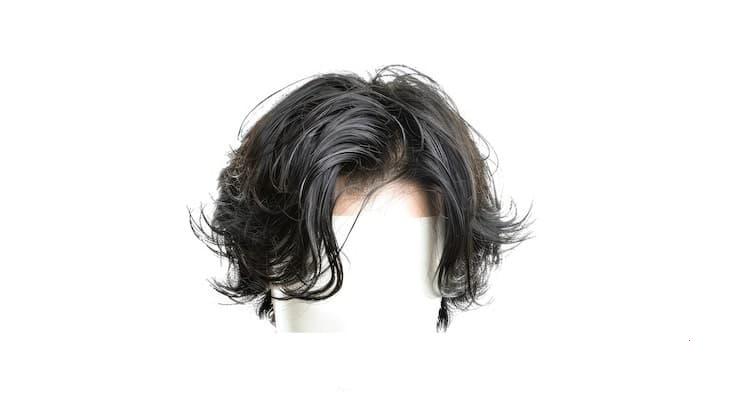
Controlled backcombing creates volume while preserving a realistic look. Work in fine layers, spray lightly with a wig-holding spray, then comb the top layer to smooth the exterior. For spiky or wind-swept finishes, sculpt with a combination of backcombing and targeted heat shaping. When you learn how to style cosplay wigs this way, you preserve movement while achieving bold geometry.
Cutting synthetic fibers requires a light hand. Point-cut with sharp shears to remove bulk and create feathered ends. Avoid over-thinning near the hairline or bangs, since synthetic fibers do not always fall like natural hair. Take frequent breaks and step back to assess proportions from a distance.
To add dimension or character-accurate lengths, sew or glue additional wefts in layers. Clip-in wefts provide non-permanent versatility. When blending, match the direction of the weft to the base layers and comb through to eliminate visible seams. Use small, staggered sections to create gradual transitions that look natural in photos and on stage.
Many synthetic wigs present a glossy sheen that reads as unnatural on camera. Counter this with matte sprays designed for synthetics, or use a small amount of dry shampoo to reduce shine. Temporary color sprays, pastels, and chalks allow you to add highlights without permanent alteration. If dyeing heat-safe synthetics, follow fiber-specific instructions; some materials accept fabric dyes at low temperatures, but testing is necessary.
Finishing products matter. Choose hairsprays that specify compatibility with synthetic wigs and offer humidity resistance. For sculpted pieces, layer a fine mist, then sculpt and set with a quick blast of cool air. Use flexible-hold sprays on bangs and face-framing pieces to preserve movement. Reinforce high-stress points (e.g., spikes, horns) with a combination of small stitches and glue where necessary.
Large wigs require thoughtful transport. Use a wig box or a hard case with padding. For styles with internal foam, bolt or stitch supports so they don't shift. Bring emergency repair supplies—clear glue, extra pins, a small comb, and a travel-sized wig spray. When learning how to style cosplay wigs, planning for transit keeps your work intact for the event.
Stressed fiber, stray wefts, or a collapsed spike can be salvaged with quick steps: re-seat the wig on a mannequin, reheat and reshape the offending zone, and seal with a matching spray. Use small stitches to reattach loose wefts rather than relying on glue alone. Keep a repair kit in your cosplay bag for fast fixes.
When not in use, keep wigs on stands to retain shape, or lay them flat in breathable bags for long-term storage. Avoid direct sunlight which can fade color. For elaborate shapes, store with tissue padding and maintain room humidity around 40%–60% to preserve fiber flexibility. Twice per season, refresh your wig with gentle steaming and a light conditioning spray designed for synthetic fibers.
For realism, vary strand thickness and direction; uniform spikes or curls look artificial. Use a mix of matte and shine products to simulate natural hair reflectance. When working with bangs, micro-cut small sections and test with photos under the lighting you expect at events. If you plan to wear wigs frequently, consider commissioning a custom wig cap sized to your head for better comfort and reduced movement. Finally, practice your removal routine—quick and safe wig removal prevents tangling and cap damage.
Choose a high-quality cap construction (monofilament or lace front for realistic hairlines) for high-detail builds. For large, sculptural hairstyles, a thicker cap with multiple wefts allows for secure sewing points and stronger hold. When shopping, keep the final silhouette in mind and select fiber length, density, and color accordingly. The keyword how to style cosplay wigs often begins with a smart purchase decision.
Styling for photos differs from styling for live performance. Photographers magnify imperfections and highlight labored shine. Use matte finishes on face-framing strands and slightly over-define edges for the camera. Conversely, live stage lighting may flatten detail, so leave more pronounced textures to read better at a distance. Test your wig under similar lighting before the event.
Not every cosplayer has a large budget. Many of the twelve techniques can be adapted with thrifted or inexpensive tools: boiling water shaping for older heat-safe fibers, recycled foam padding for internal supports, and craft wire for temporary reinforcement. Practice makes up for expensive tools; repeated, careful work often outperforms rushed, high-cost shortcuts.
Repeated high-heat exposure degrades synthetic fibers. Space out heat sessions and use heat protectants to lengthen the wig's useful life. When gluing near the cap, work in a ventilated area and use body-safe adhesives. If you experience strong odors or discoloration during shaping, stop immediately—the fiber may be melting or chemically degrading.
Complex characters sometimes require layered wigs or separate pieces (pony tails, front fringes, crowns). Practice assembling them quickly and make sure attachment points coincide with costume elements to distribute weight. Label each piece for quick identification, and consider sewing small pockets or loops into the costume to anchor heavy pieces.
Learning how to style cosplay wigs is both technical and creative. The twelve essential techniques offered here form a foundation for professional-looking results that last. Careful preparation, an understanding of fiber behavior, and measured use of heat and structural supports will give you repeatable, durable styles. Keep experimenting, document your process with photos, and refine your workflow. Over time you'll build a kit, a set of trusted products, and the muscle memory to style faster and cleaner.
Whether you're crafting a subtle period look or a towering anime silhouette, the secret is systematic practice: plan, secure, shape, finish, and maintain. Use this guide as a living checklist and resource to improve each time you pick up a wig.
