In recent years the demand for realistic hair systems has surged and the term frontal wig keeps appearing in searches, reviews, and professional salon conversations. A frontal wig is more than a style accessory; it is a versatile tool for achieving a seamless, natural hairline that moves and parts like natural hair. Whether you are new to wigs or upgrading your collection, this long-form resource explores selection, installation methods, maintenance, and styling strategies to maximize longevity and authenticity.
At its core a frontal wig features a lace or mesh panel that spans from temple to temple, allowing for realistic parting and a natural-looking perimeter. Unlike smaller closures, a frontal provides a larger working area for cutting, styling, and blending with your natural hairline. You can opt for transparent lace, HD lace, or more durable lace options depending on your skin tone and lifestyle.
Cap types like full lace, lace front, and 360 lace each interact with a frontal differently. Many premium units use a lace frontal attached to a reinforced cap with adjustable straps, combs, and sometimes silicone edges for grip. A high-quality frontal wig will balance comfort, breathability, and secure fit without sacrificing realism.
Transparent lace, medium brown lace, and HD lace are common choices. Transparent or HD lace is excellent for lighter complexions and seamless blending, while medium and darker lace tones can be better for deeper complexions without heavy tinting. When deciding on lace color for your frontal wig consider your undertones as well as the ability to tint or match with foundation for an invisible finish.
Human hair frontals are prized for styling flexibility and longevity; heat tools and color processes are possible with care. Remy hair maintains cuticle direction for smoother strands, while synthetic options are cost-effective and low-maintenance but limited in styling. A hybrid frontal that mixes human hair with heat-resistant synthetic fibers gives a balance of affordability and performance.
Ask yourself how often you'll wear the unit, whether you sweat or swim frequently, and how much time you can dedicate to maintenance. Active lifestyles benefit from secure methods like sew-ins or adhesives formulated for longevity; low-maintenance wearers may prefer clip-in frontals or attachable units that allow quick removal.
To avoid an artificial look, select a density and wave pattern that mimics your natural hair or desired look. For example, choose lighter densities (120%-130%) for finer looks and higher densities (180% and above) for full, voluminous styles. Curl patterns from straight to tight coils should be chosen with realistic shrinkage and combability in mind.
Adhesive offers the most natural lay and is ideal for long-term wear. Use skin-safe adhesives and protect your edges with barrier creams. When securing a frontal wig with glue, precise application along the hairline and controlled drying times are key to an invisible bond. Keep removers on hand to prevent adhesive buildup or damage.
Tapes provide a strong hold and are simpler to apply than liquid adhesives. Double-sided medical tapes specifically designed for hair systems reduce skin irritation and provide reliable adhesion for multi-week wear. Tapes can still require careful removal and regular reapplication.
Sew-ins attach the frontal to a braided base and are excellent for long-term stability with limited adhesive use. Wig grips and elastic bands offer a glue-less option for comfortable daily wear, perfect for those who prioritize scalp health over a perfectly undetectable lace melt.
Clip-in frontals are convenient for trial looks and short-term wear. They snap into natural hair and can be removed daily, minimizing adhesive exposure but sometimes sacrificing a flawless hairline.
Whether you prefer sleek, straight looks or textured waves, styling should respect the frontal’s construction. Use low to medium heat settings on human hair units and avoid excessive chemical processing. For synthetic frontals choose steam or low-heat styling tools specifically rated for heat-friendly fibers. When coloring a frontal wig, spot-test and consult a professional for dramatic changes to avoid uneven tones or hair damage.
Leave a small amount of natural hair along the perimeter to braid under or blend with the frontal edge. Incorporate baby hair from your own hairline if possible so the transition appears cohesive. Consider tinting the lace to your scalp color using lace tint sprays or foundation for the most seamless blend.
Comb gently with a wide-tooth comb, starting from ends to roots. Apply leave-in conditioners and heat protectant sprays before any thermal styling. Avoid heavy oils or greases that can saturate the lace and loosen adhesive. When sleeping, wrap hair in a silk or satin scarf to prevent friction and preserve style.
Wash every 7-14 days depending on activity level and product buildup. Use sulfate-free shampoos and rich conditioners. For a frontal, focus on the hair and avoid submerging lace in aggressive scrubbing; instead, gently cleanse and rinse thoroughly. Deep condition monthly with masks or hot oil treatments to retain moisture and reduce tangling.
Use professional adhesive removers that dissolve glue without weakening lace. After removal, clean the lace base with a gentle cleanser to remove oil and glue residue before reapplying. Proper cleaning prevents discoloration and maintains the frontal’s appearance.
With time and repeated wear a frontal wig may need knot tightening, re-ventilation, or edge reinforcement. Small repairs like re-sewing elastic bands, replacing combs, or adding a fresh edge of lace are cost-effective ways to extend a unit’s life. For extensive repairs such as ventilation repair or lace replacement consult a skilled wig technician.
Reputable vendors provide clear photos of front and back, details on hair origin, cap construction, lace types, and return policies. Customer reviews that include photos are invaluable. Avoid extremely low-cost frontals that lack transparency about hair grade or cap construction; investing in higher-quality hair often saves money over time due to durability and styling flexibility.

Visible lace edge: use lace tinting and baby hairs for concealment. Shedding: confirm ventilation method and buy from reputable makers. Odors or buildup: deep clean and use clarifying products. Irritation: switch adhesives or use protective barrier creams. For persistent problems, seek professional reapplication or a different cap construction to match scalp sensitivity.
With proper care a human hair frontal wig can last from 6 months to several years depending on frequency of wear, maintenance, and quality. Expect natural wear over time — regular refreshes like conditioning, minimal heat exposure, and careful adhesive removal all contribute to a longer lifespan.
Buyers are increasingly mindful of sourcing and vendor transparency. Ethical hair sourcing, fair labor practices, and environmentally friendly packaging are positive signs from suppliers. Consider vendors who provide traceability or certifications about hair origin and manufacturing standards when purchasing a frontal wig.
Ventilating a frontal to create a custom density or pattern allows technicians to mimic natural hair growth directions. Multi-tonal dyeing, lowlight and highlight strategies, and bespoke hair textures can match unique client needs. Professionals often bleach knots and pluck to client preference and then seal with a lightweight adhesive or mousse for a long-lasting, realistic finish.
Pack a small maintenance kit with extra tape, adhesive, remover, a mini brush, and a travel-size shampoo/conditioner. For humid climates consider lighter densities and anti-frizz serums. For swimming use protective shampoo and consider glueless or waterproof adhesives to prevent accidental lifting.
Achieving a realistic look with a frontal wig is a combination of selecting the right materials, perfecting installation techniques, and committing to careful maintenance. Whether you prefer DIY methods or professional application, knowledge, patience, and quality products are the cornerstones of success.
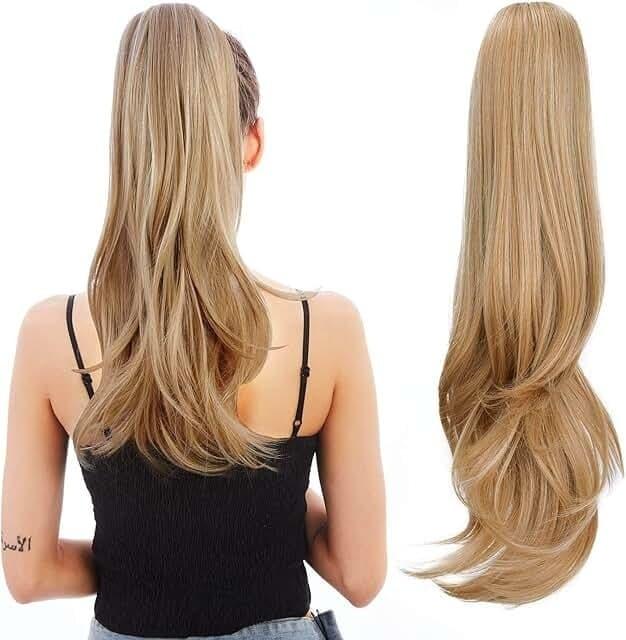
Explore manufacturer guides, tutorial videos from certified stylists, and community forums to learn real-world tips about fitting and maintaining a frontal wig. Hands-on workshops or professional consultations can yield immediate improvement in fit and styling confidence.
With proper care and limited daily wear a high-quality human hair frontal can last from six months to several years; longevity depends on maintenance, how often it is worn, styling practices, and product use.
Many wearers successfully install frontals themselves for short-term or trial looks, but for permanent or complex installations a professional stylist can ensure a safer application, better blending, and longer-lasting results.
Using skin-safe adhesives, protective barrier products, and correct removal techniques minimizes risk; however repeated improper application and removal can stress natural hair, so rotating attachment methods and giving your scalp breaks is recommended.
