When people ask "is a toupee a wig?" they are often probing a mix of language, function and cultural nuance. The short answer is: both terms refer to artificial hairpieces, but they differ in typical use, construction and perception. This extensive guide explores the subtle distinctions, busts persistent myths, offers styling and maintenance tips, and provides a practical buying checklist so you can decide which option fits your lifestyle, budget and aesthetic goals.
First, let's unpack the words. A toupee is generally understood to be a small hairpiece designed to cover a limited area of hair loss, most commonly the crown or front scalp of men. A wig typically covers the entire head and can be used by people of any gender for fashion, medical reasons or convenience. That said, language evolves: in casual speech some people use the terms interchangeably, which is why the question "is a toupee a wig" remains common and relevant for SEO-focused content.
The materials used play a major role in price, realism and care. Human hair pieces provide the most natural movement and can be heat-styled. High-quality synthetic fibers now emulate natural hair remarkably well and often require less care. Base construction matters: lace fronts provide seamless hairlines, monofilament tops offer natural parting and polyurethane bases can be very secure for taping or gluing. When researching "is a toupee a wig" from an SEO perspective, content should explain these construction differences because buyers search for material-related phrases like "human hair toupee vs synthetic wig" and "lace front toupee benefits".
Addressing myths can improve credibility and reduce user confusion. Below are common misconceptions with clarifications that will satisfy user intent for queries like "is a toupee a wig."
Understanding whether a piece is a toupee or a wig helps buyers set expectations for styling options, attachment methods, and long-term maintenance. Searchers typing "is a toupee a wig" want clarity, and pages that clearly delineate these categories can improve engagement metrics, reduce bounce rate, and rank better for related long-tail queries.
Choose based on four pillars: purpose, budget, lifestyle, and desired realism. Below is a step-by-step checklist to guide decision-making.
Are you covering localized thinning or complete hair loss? Is the piece for daily wear, special events, or occasional use? Your purpose will immediately narrow down options—toupee for partial coverage, wig for full coverage or dramatic style change.
Human hair pieces provide the most realistic texture and styling flexibility but require more care. Synthetic fibers are practical and often pre-styled. Pay attention to base type: lace front for natural hairline, monofilament for realistic parting, and full polyurethane for easy attachment by adhesive.
Accurate measurements are crucial. For a toupee, measure the area to be covered; for a wig, head circumference and ear-to-ear measurements determine cap size. Poor fit harms realism and comfort.
Be sure to research scalp sensitivity and consult a professional if you plan to use adhesives regularly.
Whether you wear a partial or full piece, styling determines how believable the result will be. Below are expert tips that work for both toupees and wigs:
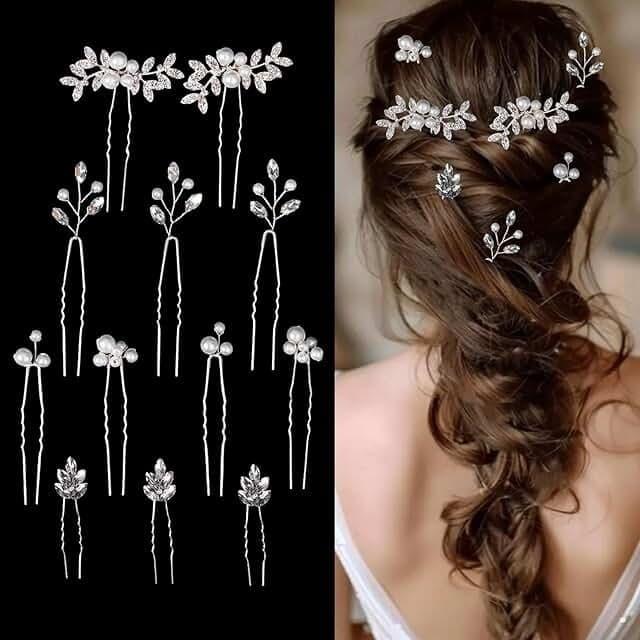 For toupees, a seamless transition between natural hair and the hairpiece matters. Use thin layering and feathered cuts to integrate pieces.
Proper maintenance extends lifespan and preserves appearance. For human hair pieces, use sulfate-free shampoos, deep conditioning and occasional protein treatments. Synthetic hair requires specific products and avoids high heat unless labeled heat-resistant. Store on a wig stand or mannequin head to maintain shape, and use a silk or satin pillowcase to reduce friction overnight if you sleep with your hairpiece.
Frequency depends on use: weekly for daily wear, monthly for occasional wear. Gently detangle before washing, soak and rinse with cool water, and avoid vigorous rubbing which can tangle or damage knots on lace or hand-tied bases.
Adhesives and tapes provide strong adhesion for active lifestyles, but improper removal can injure the scalp. Always use recommended removers and take breaks when possible to allow the skin to breathe. For medical users, consult a dermatologist if irritation or allergic reactions arise.
SEO-driven content must anticipate related queries. People often combine the main question "is a toupee a wig" with others like "how to attach a toupee", "best toupee for men", "wig vs toupee cost", "natural looking toupee" and "how to style a lace front toupee". Addressing these within headings and lists increases on-page relevancy and the chance to rank for long-tail keywords.
Expect a wide price range. Synthetic, machine-made pieces can be affordable; human hair, custom, hand-tied toupees and wigs can cost several hundred to several thousand dollars. Additionally consider recurring expenses: adhesives, maintenance products, professional cleaning, and eventual replacement. A well-crafted piece may be an investment that pays off in confidence and durability.
Reputable suppliers provide clear material descriptions, realistic photos, size charts and return policies. If trying in person, check lighting, move your head to analyze hairline behavior, and request a consultation. For online purchases, read reviews, ask for multiple photos, and confirm warranty or repair services. Stores that offer customization and aftercare support often deliver the best long-term satisfaction.
Men often choose low-profile toupees integrated with their remaining hair, while women may opt for full wigs for hair-loss conditions or dramatic fashion changes. Layered bob wigs, long beach-wave human hair units and short cropped toupees are among popular styles. For realistic results, request a lace front and hand-tied top for natural parting and movement.
Answering "is a toupee a wig?" is only step one. Choose based on coverage needs, intended use and how much time and money you want to spend on maintenance and styling. If your loss is localized and you have remaining hair to blend with, a toupee might be ideal. If you are looking for complete coverage, frequent style changes, or protective styling, a wig is usually the better choice.
For users searching the phrase "is a toupee a wig" the important takeaways are clarity and actionable guidance: both are hairpieces but serve different roles. Knowing the practical differences helps you choose the right solution for aesthetics, comfort and confidence. Good SEO practice for this topic is to provide clear headings, FAQs, and in-depth buying advice—exactly what this article aims to deliver.
Explore manufacturer guides, dermatology resources for hair loss and salon services specializing in hairpieces. Always verify seller credentials and consult professionals when medical concerns are involved.
A: Yes. High-quality toupees with lace fronts or hand-tied tops blended by an experienced stylist can be indistinguishable from natural hair and as natural-looking as full wigs when matched carefully.
A: Lifespan varies by material and care: synthetic pieces often last 4–6 months with daily wear, while human hair units can last a year or longer with proper maintenance and occasional professional maintenance.
A: Many adhesives and tapes are designed for sensitive skin, but a patch test is recommended. If you have dermatological concerns, consult a dermatologist before regular use.
Whether your search intent starts with "is a toupee a wig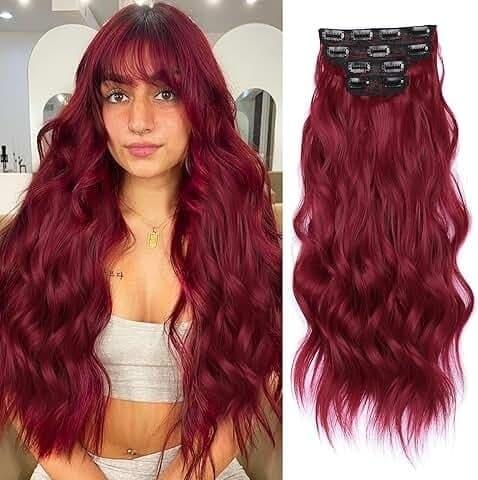 " or asks about specific models, this guide equips you to ask the right questions, evaluate options and make a confident purchase. Remember, the best piece is one that aligns with your comfort, maintenance ability and desired look; invest in fit and professional customization when possible for the most natural outcome.
