If you've ever wondered how to take the shine out of synthetic wigs without damaging fibers, this comprehensive guide collects gentle, practical tips and tested tricks. The goal here is to help enthusiasts, cosplayers, salon assistants, and everyday wearers transform an overly glossy synthetic wig into a realistic, low-sheen style while preserving softness, color, and fiber integrity. Throughout, we'll emphasize safe methods, patch-testing, and step-by-step routines so you can confidently pursue a matte finish.
Most synthetic wigs are made from heat-resistant or basic synthetic fibers like kanekalon and toyokalon. These fibers have smooth, reflective surfaces that catch light, producing an eye-catching shine. While appealing in certain styling contexts, excessive gloss can read as artificial under natural light or high-resolution photography. Understanding light reflection, fiber coating, and manufacturing lubricants helps explain why some wigs need de-glossing to look natural.
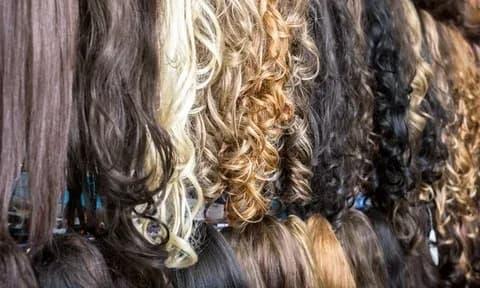
These methods are fast, reversible, and ideal for touch-ups before events or photos.
Lightly dusting how to take the shine out of synthetic wigs with an alcohol-free dry shampoo or talc-free baby powder can scatter light and reduce gloss. Apply a small amount to your palms, rub slightly, and then pat across the wig surface. Work incrementally and then brush gently with a wide-tooth comb or a soft-bristled wig brush to distribute and remove excess. This method is non-permanent and washes out with a mild shampoo.
For a talc-free alternative, cornstarch or arrowroot can provide a fine mattifying layer. Use a makeup brush to apply sparingly and blend with fingers or a brush. Because cornstarch can attract moisture, avoid heavy application if you will wear the wig in humid conditions.
Some cosmetic stores sell matte-finish sprays designed for wigs and hairpieces. These products are formulated to reduce gloss without stiffening fibers. Spray lightly from 8–12 inches, wait to assess, and repeat if needed. Always choose products labeled safe for synthetic fibers.
If you want a more durable reduction of shine that will survive multiple wears and washes, consider the following controlled treatments. They require extra care and testing but can provide semi-permanent results.
Mix a very weak solution—about 1 teaspoon of fabric softener to 1 quart (1 liter) of cold water. After a gentle wig shampoo, dip the wig briefly in the diluted solution, swish for no more than 30 seconds, and rinse lightly with cold water. Fabric softener can reduce static while adding a subtle texture that reduces gloss. Rinse thoroughly to avoid residue buildup.
A mixture of 1 part white vinegar to 4 parts cold water can help remove manufacturing residues and neutralize leftover conditioners that create shine. After shampooing, pour the solution over the wig, let it sit 30–60 seconds, then rinse with cold water. Vinegar evaporates and leaves fibers less slick. Test first and avoid overuse to prevent drying if the wig contains heat-safe blends requiring special care.
For a tougher matte layer, after using a dry shampoo, gently apply a tiny amount of cornstarch with a soft brush and set with a light, alcohol-free matte spray. This multi-step approach reduces immediate shine and lasts through several wears, but will eventually require washing to refresh the fibers.
If your fiber is heat-resistant, low-temperature texturizing can lightly roughen the surface to diffuse light. Use the lowest effective temperature (often 200°F / 93°C or lower depending on manufacturer guidance). Rather than pressing flat, use a protective sheet and very brief passes, or better yet, texturize with steam at a safe distance. Never use an open flame or uncontrolled high heat on standard synthetic fibers.
Sometimes the simplest solution is a cut or style that reduces reflective planes. Layering, choppy cuts, beach waves, and matte sprays combined with back-combing can break up large glossy surfaces. Updos and loosely braided styles naturally scatter light and create depth, reducing perceived shine. Consider adding accessories like matte headbands or scarves to distract from shine during wear.
After you achieve the look you want, maintain it by following a mild care routine: wash only when needed, use sulfate-free wig shampoos, avoid over-brushing, and store on a stand away from dust and sunlight. If you regularly use powders or sprays to keep a matte finish, plan for periodic deep cleans to avoid buildup.
For high-value wigs, custom dye jobs, or complex restorations, consult a wig stylist. Professionals can perform salon-grade de-glossing treatments and recommend products tailored to fiber type. They can also reshape or reweft wigs to optimize texture and appearance safely.
Pro tip: If you are unsure which synthetic blend you have, contact the seller or brand for care instructions. When in doubt, treat the wig as delicate and err on the side of gentle, non-invasive approaches.
For regular wear, a maintenance matte touch-up every few wears is sufficient; deep treatments may be done every 4–8 wears depending on product buildup and environmental conditions.
Some color-correcting products add sheen; choose semi-matte or matte color enhancers. If you intend to dye a synthetic wig, seek products formulated specifically for synthetic fibers and expect that some color deposits can change surface texture. Always test and consult instructions carefully.
For photography, stage, or filmed appearances, matte finishes are often preferable because camera lights accentuate shine. Costume designers often rely on combination tactics—matte sprays, layered textures, and diffuse lighting—to keep wigs looking natural on set.
To recap, learning how to take the shine out of synthetic wigs effectively is about balancing aesthetics with fiber health. Start with reversible, low-risk strategies like powders and gentle sprays. If deeper alteration is required, rely on diluted rinses and professional guidance. Maintain the effect with careful storage and periodic cleaning to prevent buildup. With patience and proper testing, you can convert an overly glossy wig into a believable, natural-looking piece.
Sometimes the style benefits from gloss—fantasy wigs, cosplay characters, or editorial fashion may call for shine. Evaluate context and choose the finish that best complements lighting and styling goals.
When shopping, look for phrases like "wig-safe dry shampoo," "matte finishing spray for synthetic hair," "synthetic wig shampoo," and "heat-resistant wig care." These terms will help you find items that respect fiber composition and support how to take the shine out of synthetic wigs efforts.
If you're ready to try one of the methods above, begin with a small, controlled trial, and gradually progress to larger areas once you confirm satisfactory results. Patience and measured application yield the best, longest-lasting natural mattes.
A: No. Baby powder is a temporary fix that reduces shine for a wear or two; it will wash out during shampooing. For longer-lasting effects, use combined approaches described earlier, but anticipate periodic reapplication.

A: Only if the wig is explicitly labeled heat-resistant and you follow strict temperature guidelines. Use the lowest effective heat, protect fibers with a heat mat or cloth, and avoid pressing too long. When in doubt, consult the manufacturer or a wig professional.
A: Yes. Strong solvents (acetone, paint thinner), very high heat, and certain household cleaners can melt, discolor, or roughen fibers irreversibly. Always avoid experimenting with unknown chemicals.
A: Use mild wig conditioners sparingly, rinse well, and avoid heavy powder buildup. Periodic deep conditioning with products safe for synthetic fiber will preserve softness while maintaining a reduced shine.