If you've been wondering how to use headband on wig for day-to-day wear or special occasions, this long-form, step-by-step resource covers glueless options, styling advice, securing techniques and troubleshooting so you achieve a secure, natural fit. The method described here works for synthetic and human hair wigs, full lace wigs, lace front styles and quick-change headband wig systems. We'll walk through tools, prep, application, styling, maintenance and creative looks so you can confidently integrate the technique into your styling routine.
how to use headband on wig is a popular search for good reason: headband wigs offer instant wearability, protect natural hair, avoid adhesives and allow quick swaps between looks. They suit beginners, busy professionals, and anyone who wants a low-commitment, comfortable fit. Unlike glue or tape, headbands rely on fabric elasticity, friction and smart placement to create a stable hairline and natural silhouette.
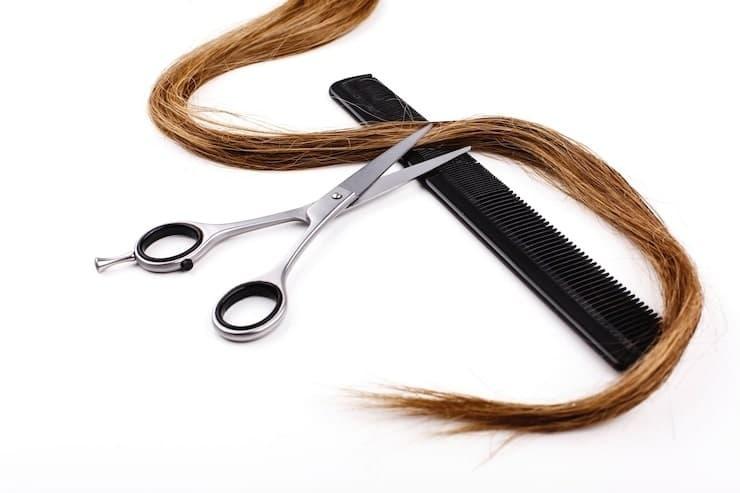
Before demonstrating how to use headband on wig, gather simple supplies: a wig cap (nylon or mesh), an adjustable headband wig (or a standard wig with a wide headband attached), hair clips, a brush or wide-tooth comb, bobby pins (optional), double-sided wig tape (optional for extra hold), styling products (heat protectant for human hair, light hairspray or edge control for a cleaner hairline), and mirrors.
The headband plays a major role in grip and aesthetics. Choose headbands made of non-slip materials (silicone-backed, velvet, cotton with rubberized inner lining) for best hold. Wider bands (1-2 inches) offer more security and distribute pressure evenly. For the wig, consider a cap with adjustable straps or elastic bands. A ready-made headband wig integrates a sewn-in headband attached to the front edge — if you have a standard wig, you can sew on or clip a headband in place.
Preparation is the foundation of a successful headband application. Follow these steps to reduce bulk and create a flat base:
Follow this detailed sequence for a reliable, repeatable application:
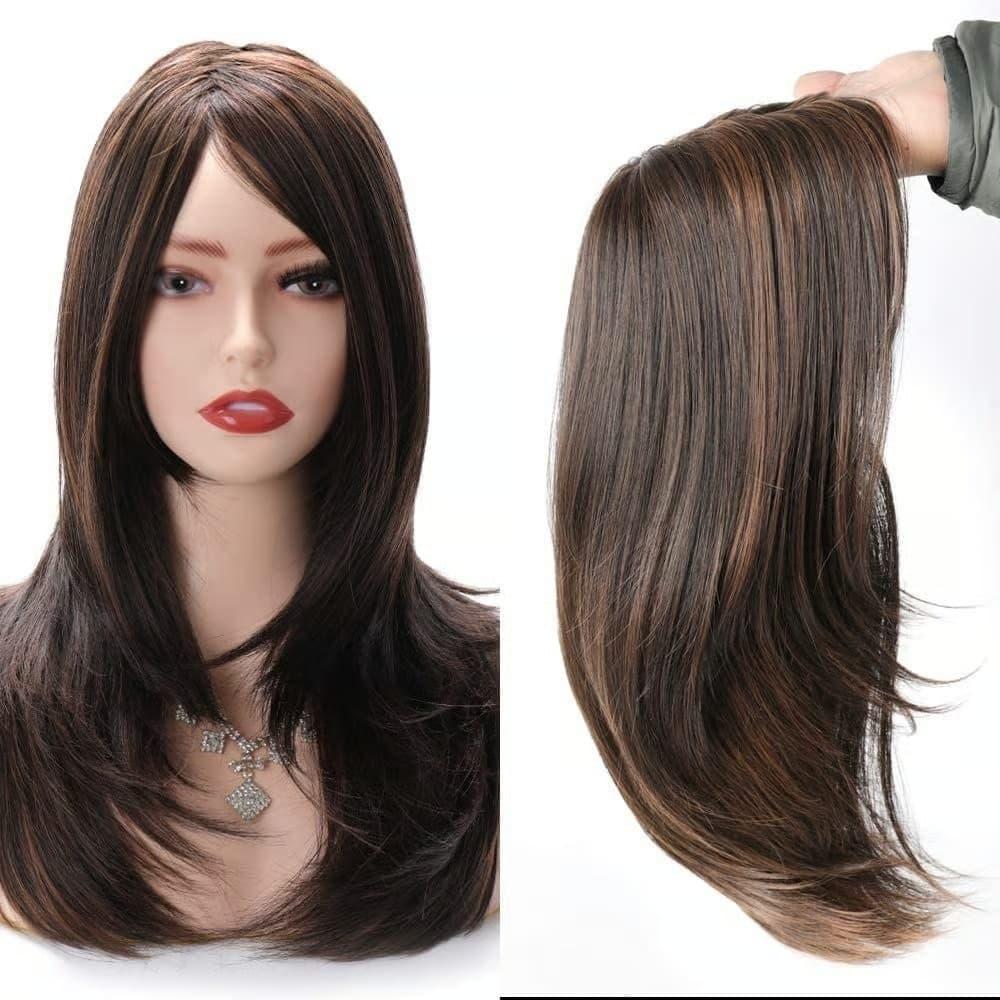 If your wig has lace or baby hair, use a small toothbrush or edge brush and a light gel to lay baby hairs over the headband for a seamless blend. Avoid heavy products that stiffen the hair.
To make the look convincing, consider these styling cues: pluck a few hairs from the frontal lace to soften a dense hairline, bleach or tint knots on lace for lighter scalp illusion, and create wispy baby hairs. When learning how to use headband on wig, subtlety often wins; avoid overstyling and focus on soft blending.
Headbands can be functional and fashionable — switch between casual and dressed-up looks by varying width, color, and texture. Examples include boho scarf wraps, velvet bands for elegant evenings, sporty elastic bands for workouts, or a rhinestone band for events. Try placing the headband higher on the crown to create a half-up effect, or lower for a vintage look. Layer thin headbands for dimension or add a decorative clip at the temple for focal interest.
Lace front wigs require slightly different handling. If your lace is long, trim carefully along an arc following the natural hairline before applying the headband. Preserve some baby hair to mask the edge. For very short hairlines, position the headband slightly further back and style the front of the wig forward using light hold products to create the appearance of natural growth. When practicing how to use headband on wig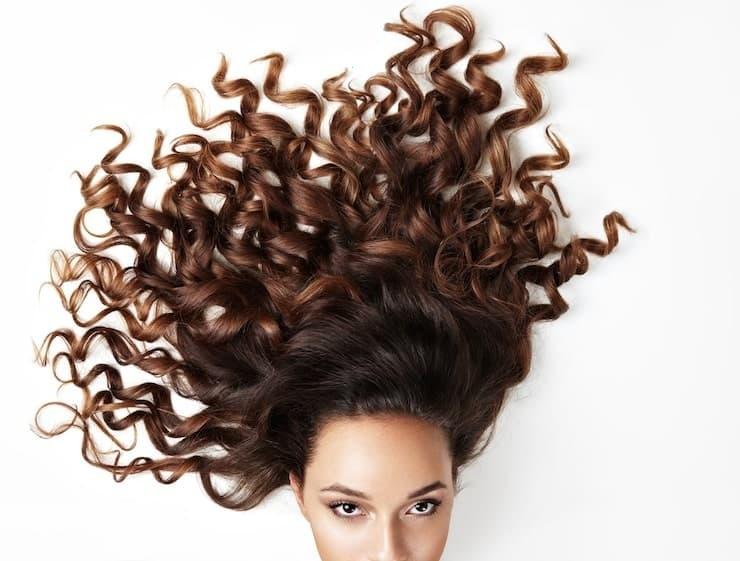 , test small adjustments until the silhouette looks balanced.
If you're active or wear your wig to the gym, prioritize non-slip headbands and additional anchoring: use silicone-lined bands, discreet bobby pins at the temple, and consider a lightweight adhesive strip at the nape of the neck for extra hold. For runs or intense workouts, a snug wig cap under the wig can minimize movement. Remember to choose breathable fabrics to avoid sweat buildup.
Many beginners ask how to use headband on wig without experiencing slippage or an unnatural look. Common errors include choosing the wrong band (too thin or slippery), failing to flatten natural hair properly, and placing the band too far forward so the wig loses depth. Fix these by selecting the right headband, prepping your cap properly, and placing the band slightly behind the front edge for a natural transition.
To keep both wig and headband in top condition, follow a regular maintenance routine: gently wash wigs per manufacturer instructions, use sulfate-free cleansers on human hair wigs, and avoid heat on most synthetic fibers unless rated for heat styling. Store wigs on a stand to maintain shape and keep headbands in a dry place. Rotate multiple headbands to minimize wear and stretch on one band. Proper care increases longevity and keeps your styling options fresh.
You can convert a regular wig into a headband wig by sewing a headband onto the front edge or by temporarily attaching a removable band with small, unobtrusive clips. For sew-on installation, attach a strip of elastic or fabric to the inner front cap and sew securely; ensure the band is evenly tensioned to avoid pulling. If you prefer reversibility, use wig clips sewn onto the band and snapped into the wig for a non-permanent solution.
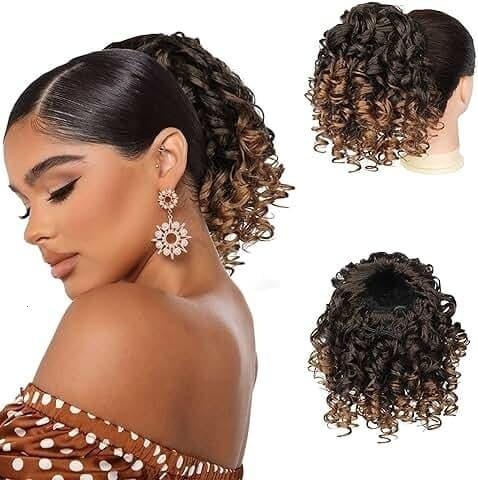
Short bobs: Apply the headband low for a polished, retro finish. Medium lengths: Create volume at the crown and use the band to anchor a half-up style. Long hair: Use the headband to frame the face, or braid hair behind the band for a bohemian look. Curly textures: Choose soft, wide fabric bands to avoid defining creases, and smooth edges with a damp brush. Each texture benefits from different band fabrics and placement; testing is the fastest route to discovering your best look.
Pack a spare headband and a small travel-size setting spray for quick touch-ups. Use bobby pins to temporarily reposition the band if it slips, and carry a headband that matches your most-used outfit for emergency restyling. Knowing how to use headband on wig efficiently reduces fuss during travel and keeps you camera-ready.
Headband methods are often more sustainable than frequent adhesive-based applications because they reduce product waste and prolong wig life. Budget-friendly headbands can be rotated and replaced inexpensively, making this approach accessible without sacrificing style.
how to use headband on wig is both a technique and a creative tool — practice each step slowly the first few times and make small adjustments until the placement, fit and look feel natural. With time you'll have a mental checklist and move through the steps quickly for a polished finish every day.
Professional stylists can incorporate headband wigs into client services by pre-fitting headbands to match face shapes, customizing colors and textures that complement the client's wardrobe, and teaching clients the proper home-care routine. For theatrical or editorial work, use multiple bands layered or strategically decorated to create dramatic silhouettes. Photographers appreciate headband wigs because they offer consistent hairlines under lighting with minimal retouches.
While headbands are versatile, they may not be ideal for ultra-formal gowns requiring lace-sheer hairlines without visible bands, or for certain vintage looks where hairlines must be entirely unobstructed. In those cases, consider safe adhesive alternatives or professionally ventilated lace fronts.
The best guideline when learning how to use headband on wig is comfort and confidence. If the fit is comfortable and your silhouette reads naturally in the mirror, you’ve succeeded. Don’t be afraid to change the band, try new placements, and adapt the method for different wigs. Anecdotal reports suggest that a quick daily five-minute routine becomes a dependable part of personal grooming for many who adopt headband wigs.
Practice the sequence, upgrade headbands as needed, and keep maintenance simple. Over time you'll develop a handful of favorite bands and looks that make styling fast and adaptable to every occasion.
Yes, many people wear headband wigs daily. Rotate headbands, maintain the wig per care instructions, and give your scalp periodic breaks if you experience any irritation.
A correctly placed headband can conceal minor lace edges, but large imperfections are better fixed by trimming, bleaching knots, or repositioning the wig with professional adjustment.
Absolutely. The headband technique can provide a flattering illusion of density at the hairline and protect sensitive areas from adhesive stress.