
2025 Guide to Buying Human Hair Wigs: Price Breakdown, Value, and Smart Tips
Understanding the core question: how much does a human hair wig cost and why it varies
Deciding to invest in a human hair wig raises an obvious question: how much does a human hair wig cost? The straightforward answer is: it depends. This comprehensive guide breaks down the numbers, explains the factors that change prices, and offers practical buying tips so you can get the best value for your budget in 2025. Whether you are comparing lace front vs full lace, virgin vs processed hair, or stock vs bespoke pieces, understanding the value drivers helps you plan and avoid surprises.
Quick overview: average price ranges in 2025
For a concise comparison, here are typical averages (USD) you can expect across popular categories.
Budget synthetic alternatives: $30 - $150 (not human hair but useful for price context).
Machine-made human hair wigs: $150 - $400 (basic cap construction, often remy treated).
Lace front human hair wigs: $250 - $1,000 (quality, lace type, and length matter).
Full lace human hair wigs: $600 - $2,500+ (hand-tied units with highest styling versatility).
Raw or virgin human hair wigs: $500 - $4,000+ (unprocessed hair, origin and collection method matter).
Custom or couture wigs: $1,200 - $6,000+ (hand tied, bespoke cap, color matched, extended length).
Why these ranges are broad
The same length and style can cost $300 at one shop and $2,000 at another. The primary variables that influence the answer to how much does a human hair wig cost include hair origin, processing level, cap construction, labor, length, density, coloring, and brand reputation. Below we explain each factor so you can make informed trade-offs based on your priorities: natural look, longevity, styling flexibility, or budget.
Factor 1 — Hair origin and quality
Origin is one of the most important determinants. Popular sources include Indian, Malaysian, Brazilian, and Vietnamese hair. Each source has distinct fiber qualities: texture, cuticle alignment, and resilience.
- Indian hair: versatile, often used for remy collections; pricing is mid-range.
- Brazilian hair: prized for fullness and strength; often used in higher-end units and raw collections.
- Malaysian and Vietnamese hair: known for silkier or straighter textures; prices vary depending on processing.
Factor 2 — Processing: virgin vs processed
Processed hair has been bleached, dyed, or chemically treated to create color ranges and to remove variability. Processed units are cheaper to produce but may have shorter lifespans. Virgin hair retains natural color and cuticles, which increases longevity and styling versatility. For buyers who want longevity and premium styling, virgin hair answers the question how much does a human hair wig cost on the higher end.
Factor 3 — Cap construction
Cap design impacts both cost and comfort. Common constructions include full lace, lace front, monofilament top, 360 lace, and basic wefted caps. Hand-tied caps, where each strand is knotted by hand, offer the most natural movement and scalp-like appearance—these are pricier due to labor intensity.
Examples of cap impact on price: a standard wefted cap with processed hair will be at the lower end of the price spectrum, while a hand-tied full lace cap using virgin hair will sit at the top end. This directly affects the practical answer to how much does a human hair wig cost in tangible terms.
Factor 4 — Length, density, and style
Length and density dramatically influence cost because longer hair requires more raw material and time to construct. Standard benchmarks:
- 10–14 inches: economical
- 16–22 inches: mid-range
- 24 inches and longer: premium
Factor 5 — Color and customization

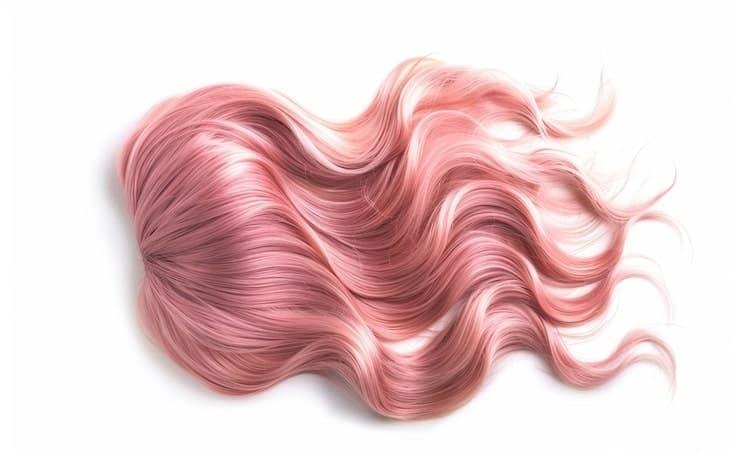
Coloring and custom shading add labor and chemistry costs. Pre-colored units might be cheaper if mass-produced, but custom color matching and hand-painted highlights for a seamless transition raise the price. When you search for how much does a human hair wig cost with a request for exact color matching or balayage, expect additional fees for professional dyeing and blending.
Factor 6 — Brand, retailer, and geographic considerations
Retail markups, brand positioning, and shipping influence final cost. A boutique in a major city may charge more due to overhead and in-store services like fittings, while reputable online retailers might offer lower base prices but charge for returns and fittings. Also consider currency and regional pricing: a wig made in one country and sold in another will include import costs and VAT, which pushes the final sticker price upwards.
How to interpret the price: value vs sticker price
Price alone doesn’t always mean better value. Evaluate the expected lifespan, styling flexibility, and included services. For example, a $900 full lace virgin wig with a 12–18 month expected lifespan (with proper care) and free styling consultation can be better value than a $300 processed wig that needs replacement in 3–6 months. When asking how much does a human hair wig cost, always contextualize price with expected durability and service.
Maintenance and ongoing costs
Owning a human hair wig involves recurring expenses: professional styling and coloring, cleaning products, heat protectants, storage solutions, and possible repairs. Budget around 10–30% of the wig’s purchase price annually for upkeep if you want to preserve premium wigs long term. This extended cost should be included when answering how much does a human hair wig cost in a lifecycle sense.
Smart buying checklist
When comparing options, use this checklist to quantify value:
- Origin and cuticle status (virgin/raw vs processed).
- Cap construction and how it affects comfort & styling.
- Length, density, and texture matching your lifestyle.
- Return policy, warranty, and aftercare support.
- Included accessories—wig caps, stands, brushes, and storage.
- Third-party reviews and before/after photos.
Where to buy: pros and cons
Online retailers: Wide selection, competitive prices, customer reviews. Downsides: you can’t try before buying and returns might be costly.
Brick-and-mortar boutiques: Personalized fittings, immediate adjustments, in-person color matching. Downsides: higher overhead may increase price.
Direct-from-supplier marketplaces: Sometimes cheaper but riskier in terms of quality assurance. Use verified seller badges and samples if possible.
Cost-saving strategies
If budget is the main concern but you still want natural hair, consider these tactics:
- Buy mid-range remy hair with a reputable cap construction rather than the cheapest wefted units.
- Purchase a stock piece and get it professionally styled instead of ordering a custom build.
- Look for seasonal sales and verified refurbished options from trusted sellers.
- Invest in a high-quality shorter wig (less raw material) and use extensions for occasional length variation.
How to vet sellers and verify quality
Ask direct questions: where is the hair sourced? Is it cuticle-aligned? Are knots bleached? Request clear photos and videos of the cap construction and hair under natural light. Verified user reviews and third-party certifications (like ethical sourcing proofs) are important. A trustworthy vendor will transparently explain why their prices are set where they are and will answer how long the product should last with normal care.
Common pricing examples with explanations
Examples to illustrate the range and rationale for pricing:
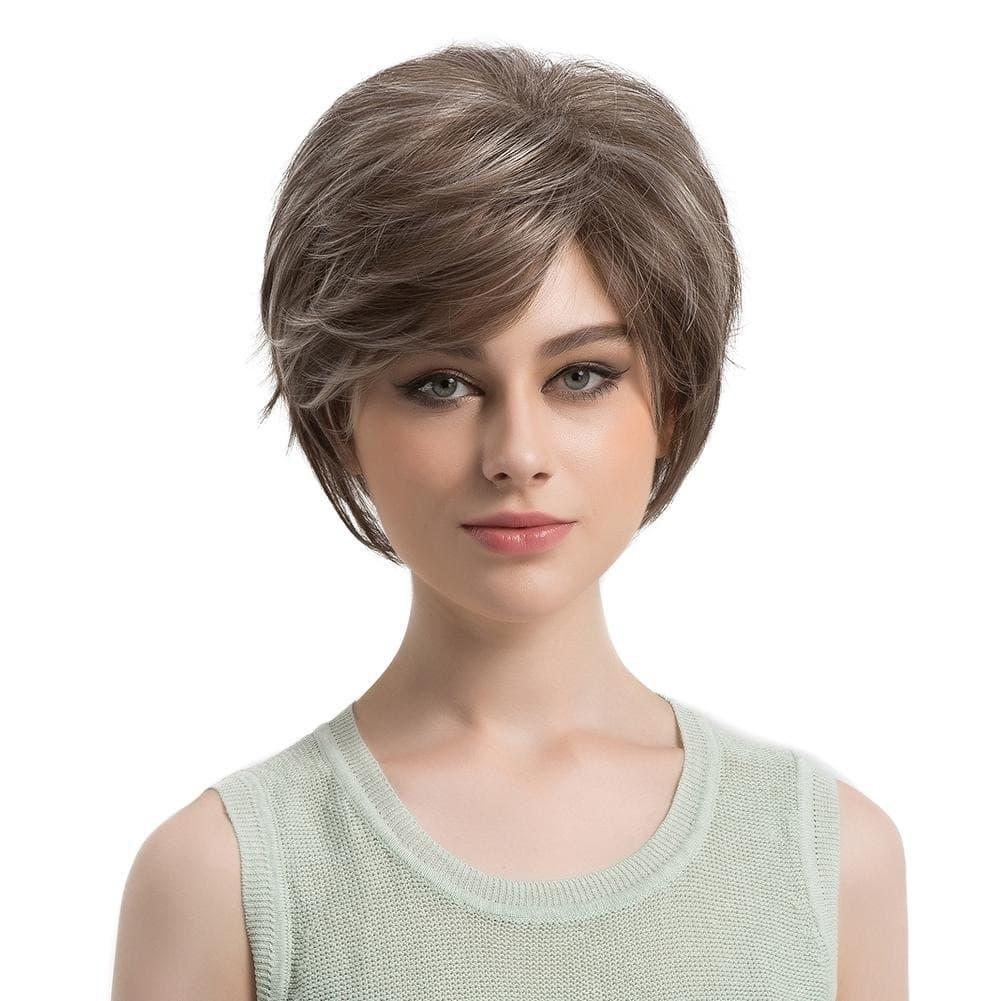
- Example A: $299 Lace front, 14", 130% density, processed remy hair—fast-fashion option with good initial appearance but moderate lifespan.
- Example B: $849 Full lace, 18", 150% density, virgin Brazilian hair—higher cost reflects raw hair origin, hand-tied construction, and styling versatility.
- Example C: $1,900 Custom-made, 22", raw hair, bespoke color blending—highest price due to custom labor and unprocessed hair supply constraints.
Red flags and what to avoid
Beware of these warning signs:
- Unclear origin or generic statements like "European hair" without proof.
- Prices that seem too good to be true for so-called virgin hair—these may be a blend or heavily processed.
- Vague return policies and no warranty for cap defects.
Styling and longevity tips
To maximize life span:
- Use sulfate-free shampoos and specialized wig conditioners.
- Minimize daily heat styling and use heat protectants when needed.
- Store on a stand and sleep with a silk scarf when wearing long term.
- Schedule periodic professional deep condition and trims.
Insurance and replacement planning
High-end units may be insurable under personal property or specialized coverage in some regions. Plan a replacement timeline: if a premium wig costs $1,200 and lasts three years with good care, your annual cost is $400 before maintenance. This longer view helps you budget and answer the practical question of how much does a human hair wig cost in yearly terms rather than sticker price only.
Top questions buyers ask about price and value
Buyers often ask: "Is a more expensive wig noticeably better?" The answer: yes in many cases, particularly for raw hair and hand-tied caps. But price is not a guarantee—always verify construction and origin. Another common question: "Are there synthetic wigs that look like human hair?" Modern premium synthetics can mimic human hair for aesthetics at a much lower price, which should factor into your decision if cost is the priority.
Decision flowchart: how to choose based on budget and goals
Use this quick decision flow to determine the likely cost tier for your needs:
- If budget < $200: consider synthetic or low-end processed human hair with basic cap.
- If $200–$600: good mid-range lace front or remy units suited for everyday wear with moderate longevity.
- If $600–$1,500: high-quality full lace or virgin hair options offering longevity and styling flexibility.
- If $1,500+: custom, raw, and couture units with the longest lifespans and bespoke features.
Trends in 2025 affecting cost
Emerging 2025 trends that influence price include higher demand for ethically sourced raw hair, increased artisan labor costs for hand-tied caps, and greater consumer appetite for personalized fit and advanced color techniques. Supply chain constraints and ethical sourcing standards can push raw hair prices up, making the premium segment more expensive compared to previous years.
Checklist before checkout
Before purchasing, confirm these items to avoid buyer’s remorse:
- Clear photographs of the actual wig you will receive.
- Return window and restocking fee details.
- Warranty on cap integrity and workmanship.
- Shipping and customs estimates if buying internationally.
- Available aftercare services and styling support.
Summary and final considerations
So, how much does a human hair wig cost? The short summary: anywhere from under $200 for basic options to several thousand dollars for couture, raw, or custom units. The precise number depends on origin, processing, cap type, length, density, and customization. Always weigh sticker price against longevity, styling needs, and aftercare costs to arrive at the best value for your circumstances.
Expert buying tips
Tip 1: Prioritize cap construction for a natural hairline and comfort.
Tip 2: Request returnable samples or swatches to evaluate texture and color under natural light.
Tip 3: Factor in maintenance over the life span—buying slightly more quality often lowers cost per wear.
Tip 4: When possible, start with a mid-range piece and upgrade after real-world wear testing.
Practical examples and math
Example calculation: a $1,000 wig that lasts 2 years with quarterly professional treatments costing $50 each results in total ownership cost of $1,200 ($1,000 + $200), or $600 per year. If a $300 wig lasts 6 months with minimal care, annualized cost is $600 as well. This demonstrates why looking at lifecycle costs is essential to answer how much does a human hair wig cost in a meaningful way.
FAQ
- How do I know if a wig is worth the price?
- Look for transparent information about origin, cap construction, and photos/videos. Check how long the vendor expects the wig to last and whether any warranty or aftercare is included. Compare these details rather than focusing on sticker price alone.
- Can a cheaper wig still look natural?
- Yes—if you choose the right cap construction and have it professionally styled. Basic wefted wigs with good remy hair can look convincing, but they may not offer the same durability or styling flexibility as higher-end units.
- Is it better to buy online or in-store?
- Both have pros and cons. Online offers variety and competitive pricing; in-store offers fittings and immediate adjustments. If you can, combine both: research online and test in-store when possible.
Final note: budgeting for a wig is about prioritizing the features that matter most to you. When you ask how much does a human hair wig cost, remember to consider lifecycle costs, aftercare, and the trade-offs between up-front expense and long-term value. Use this guide to plan a purchase that aligns with your budget and style goals.