Learning to style a wig can transform your look quickly and confidently. This comprehensive guide breaks down practical steps, tools, and product recommendations so newcomers can master wig styling with calm and clarity.
Wigs let you change hair length, texture, and color without long-term commitment. For beginners, understanding basics like fit, fiber type, and maintenance prevents damage and extends the life of your unit. This article focuses on friendly, actionable instructions so readers searching for how to style a wig for beginners find reliable, easy-to-follow strategies.
Not all wigs react the same way to heat, products, or brushing. Identifying your wig type is step one:
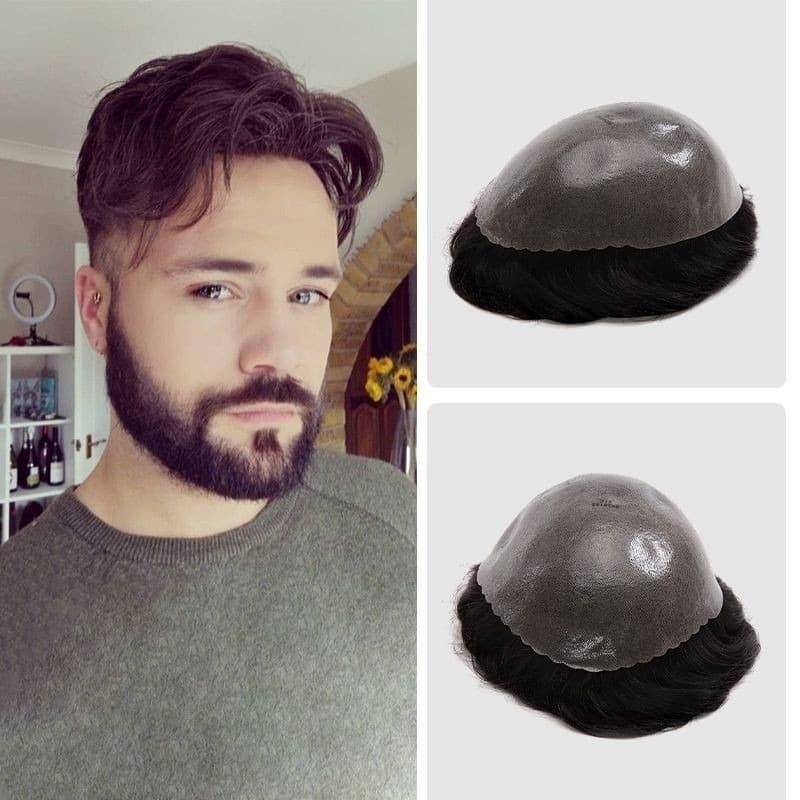
Cap construction affects comfort and styling options. Lace front wigs create a natural hairline that can be customized; full lace allows parting anywhere; glued or machine-made caps are durable and lower-cost but may limit styling. For beginners aiming to learn how to style a wig for beginners, lace front or basic full lace with a secure fit is recommended so you can practice parting, baby hairs, and updos.
Having the right kit simplifies styling and protects the wig fibers. Keep these items on hand:
Even new wigs benefit from a gentle wash to remove manufacturing residue. Use a wig shampoo and conditioner; soak the wig briefly, rinse with cool water, and pat dry. Never wring. Place on a wig stand to air dry away from direct sunlight.
Use the adjustable stand or wig head to anchor the cap. When styling on your own head, secure the wig using pins or clips and make sure the adjustable straps are set for a snug but comfortable fit. Properly securing the wig helps practice real-world wear and improves precision when trimming or shaping the hairline.
Trimming a wig can personalize it, but take conservative steps. Start with dry cuts so you see the finished length immediately. Use professional shears and cut in small vertical snips to thin heavy sections. If you're practicing how to style a wig for beginners, begin with minimal shaping like layering the ends or creating slight face-framing pieces rather than dramatic chops.
For lace front wigs, pluck sparingly along the part to soften density. Use tweezers and remove a few hairs at a time; avoid over-plucking. Add baby-hair wisps by trimming tiny strands around the temple and styling them with gel or a small brush for a realistic finish.
Brush gently with a wig brush or wide-tooth comb. Apply a heat protectant if your wig allows heat styling. Use a flat iron on the lowest effective temperature in slow passes. Finish with a small amount of shine serum applied lightly to ends—avoid the roots to prevent greasiness.
For human hair or heat-safe synthetic wigs, use a curling iron or flat iron to create loose waves. Wrap medium sections around the barrel, hold briefly, and release. For non-heat synthetics, try foam rollers or steam curlers. After styling, finger-comb or use a wide-tooth comb to break up uniform curls into soft waves.
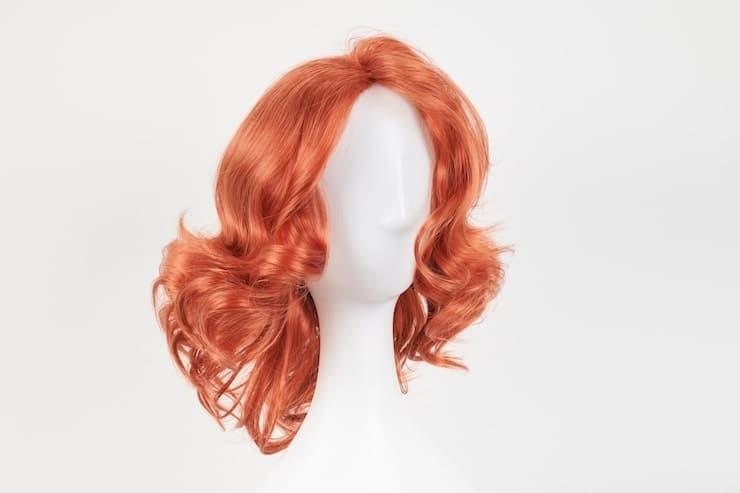
On a mannequin, blow-dry with a round brush to add lift. Use low heat and medium tension to build volume at the roots, then smooth with the brush through to the ends. Finish with a light-hold hairspray developed for wigs.
Secure the wig first to avoid slippage. For sleek ponytails, smooth hair back with a paddle brush and a small amount of styling gel on the crown. For messy buns, tease the mid-lengths lightly, gather into a ponytail, twist, and pin into place with bobby pins designed for wigs. Add hair accessories to hide pins or to enhance the look.
One of the most useful skills is changing a wig’s part. Use a tail comb to create a fresh part and gently comb hair to create clean lines. On lace fronts, apply a small amount of concealer to the lace under the part for a more natural scalp appearance. Remember not to force fibers against their natural fall; gentle repositioning works best.
Add lightweight styling mousse to create separation and hold. Texturizing sprays give movement and definition—ideal for layered styles and beach waves. Spritz from mid-lengths to ends, then scrunch lightly with your fingers.
Extend curl life with gentle steam or use curling rods overnight to reset synthetic fibers. For human hair wigs, use a small amount of leave-in conditioner and re-curl with a low-heat iron if needed. Always test on a hidden section first to confirm heat tolerance.
If your wig is colored, use sulfate-free, color-protecting formulas. Avoid excessive sun exposure and store in a cool, dark place when not in use to reduce fading.
Proper care preserves style and fiber integrity. After styling, gently detangle starting from the ends and working up. Wash only when necessary—overwashing shortens lifespan. When storing, place the wig on a stand or in a breathable silk bag to maintain shape and prevent tangling.
Carry a travel-sized wig brush, mini detangler spray, and a few bobby pins for on-the-go adjustments. For flyaways, a toothbrush with a bit of styling gel applied gently at the hairline tames new growth without damaging the wig.
Products vary by fiber type; here are general recommendations to start with:
 Leave-in spray formulated for wigs to prevent excess friction
Beginners often make similar errors that can be easily avoided:
Follow this simple routine to practice daily styling: secure the wig, detangle, apply a small amount of leave-in detangler, choose a simple style (straighten, soft waves, or low ponytail), make minor trims for face framing if needed, and finish with a light-hold spray. Repeating this sequence builds confidence and skill when learning how to style a wig for beginners.
- Secure cap and adjust straps
- Brush gently and detangle
- Apply appropriate products (protectant or detangler)
- Style using suitable tools or rollers
- Set the style with wig-friendly hairspray
- Store on a stand or in a breathable bag
Always test new tools or products on a small hidden section. Avoid sleeping with most wigs on unless the manufacturer states it's safe. Limit exposure to ocean salt and chlorine; if exposed, rinse immediately with fresh water and treat with a deep conditioning product. Investing a little time in these habits prolongs style life and keeps fibers looking fresh.
If you want extensive restyling, color adjustment, or cap reconstruction, consult a certified wig stylist. Professional services can help convert a standard unit to a custom-fitted piece, add hand-tied sections, or recolor human hair wigs safely.
Mastering wig styling starts with knowing your fiber, using the right tools, and practicing gentle techniques. The phrase how to style a wig for beginners encompasses many small skills—cutting, heat use, parting, updos, and maintenance—that become intuitive over time. Start simple, protect your investment with appropriate care, and gradually try more advanced looks as confidence grows.
Look for tutorials from reputable wig specialists, join wig-care communities, and practice on lower-cost units before altering high-end pieces. Hands-on repetition is the fastest route to skill.
Styling wigs is part technique, part creativity. Embrace trial and error and document your successful combinations of tools and products to build a personal styling playbook. With patience and the right approach, anyone can learn straightforward methods for polished, wearable styles.
Thank you for reading—practice regularly and enjoy exploring new looks!