If you've ever wondered what is permatease in a wig and why stylists and wig wearers talk about it so often, this guide unpacks the technique, its purpose, and practical tips for volume, styling, and care. Perma-teasing (commonly written as permatease or perma tease) is a controlled backcombing process applied at the base or crown of a wig to create long-lasting lift and density without resorting to heavy products or bulky inserts. This article explores the technique, the differences between permatease and other volume methods, best practices, styling approaches, maintenance routines, and shopper considerations to help you choose and care for wigs with confidence.
what is permatease in a wig in simple terms: it's a method of teasing wig hair fibers—often synthetic or heat-resistant synthetic and sometimes human hair—near the roots using a backcombing technique and light fixation to create structure. Instead of messy, temporary teasing that collapses after a few hours, permatease is executed in layers so the teased section behaves like a scaffold that supports the outer layers of hair, producing sustained volume. The key is controlled texture: not frizzy damage, but purposeful, subtle knots and interlocked fibers that hold shape.
The technique varies depending on the wig base, fiber type, and desired result. Partial permatease focuses on the crown and part lines to add subtle lift where it's most visible. Full permatease scaffolds entire caps to transform thin-looking wigs into fuller styles. Celebrity wig stylists often use permatease to support elaborate updos, while everyday wearers may opt for light permatease under layers for a natural-looking rounded shape.
what is permatease in a wig isn't just a technical curiosity—it's a volume strategy. When done correctly, permatease increases hair density at the roots without adding weight. This is essential because simply piling on more hair or using heavy volumizing products can make a wig look artificial or feel heavy on the scalp. Perma-tease creates internal structure so that hair sits away from the cap, producing visible lift and a natural silhouette that holds throughout the day.
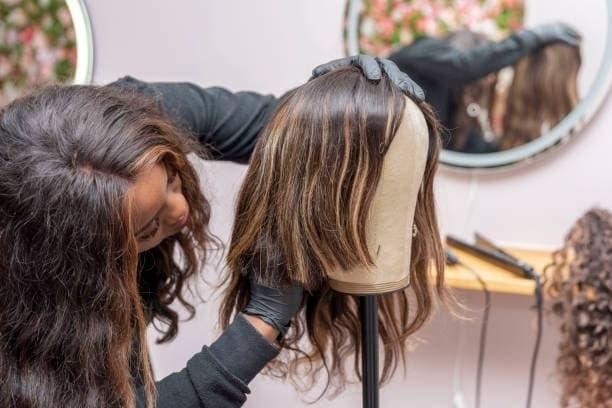

Knowing what is permatease in a wig opens creative styling opportunities. Stylists can rely on permatease to craft elevated crowns, retro bouffants, voluminous ponytails, or structured short styles. Updos benefit particularly: the internal scaffold keeps pins and clips in place. For lace-front wigs, permatease applied strategically at the front and crown gives a believable, airy lift that mimics natural hair growth.
Pro tip: For a lived-in look, permatease at the crown paired with gentle smoothing of the top layer creates natural lift without a “helmet” appearance.
One major concern after learning what is permatease in a wig is how to preserve it. Maintenance focuses on gentle handling, appropriate washing methods, and minimal manipulation of the teased zones.

While permatease offers many benefits, it isn't universally ideal. If you value ultra-soft, flowy hair without any internal texture, permatease may appear slightly textured from the inside. In lower-quality synthetic fibers, aggressive teasing can cause permanent frizz or fiber breakage. For human-hair wigs, improper teasing combined with harsh chemicals or heat can cause damage that’s harder to reverse.
When shopping, you might find wigs sold as "pre-permateased" or consult a stylist to permatease a custom piece. Evaluate your lifestyle: if you need all-day lift with minimal styling, a pre-permateased or professionally teased wig is a smart option. If you prefer to change styles frequently, ask if the permatease can be undone or softened.
If you need to reduce permatease, a professional can carefully loosen the internal knots with steam, low-heat tools, and detangling solutions appropriate for the fiber type. Complete removal may require partial reconditioning or even fiber replacement in severe cases; therefore, consult an experienced wig technician.
Recommended tools include a soft-bristle wig brush, wide-tooth comb, sponge brush for styling, and a wig stand that supports the crown. Light texturizing powders and flexible-hold sprays preserve movement while supporting the teased base. Avoid heavy waxes or strong-hold gels that can weigh the wig down and flatten the structure.
Professional stylists may combine permatease with discreet padding (like foam inserts) for extreme volume or use partial-permatease combined with lace ventilation techniques to blend the front hairline. Custom approaches ensure the permatease matches the client’s head shape, parting preference, and desired maintenance level.
Inspect the wig cap and ask to see the interior. Hold the crown and feel for internal texture—proper permatease feels structured but not brittle. Try on and move around; a well-done permatease will maintain lift without feeling scratchy through the outer layers. If buying online, request close-up photos of the cap interior and styling videos that show volume retention over time.
Unlike adding wefts or using heavy volumizers, permatease relies on manipulation of existing fibers. This makes it more discreet and often more comfortable. Compared to clip-in extenders or bulkers, permatease integrates into the cap and doesn't add extra weight. Each method has its place: permatease excels at shaping and internal support, while insertions and extenders increase overall hair mass.
Weekly: gentle reshaping with fingers and light spray. Monthly: deep spot-clean and inspection of teased areas. Quarterly: professional checkup if the wig is high-use or exposed to strong styling. Long-term: consider re-permateasing after significant wear if you want to restore original volume.
Understanding what is permatease in a wig helps you make informed choices about wig purchase, styling, and upkeep. It offers a way to achieve lasting lift and professional shapes without bulky inserts or heavy products. When matched to the right fiber type and cared for correctly, permatease enhances the appearance, comfort, and styling versatility of wigs in both everyday and formal contexts.
No. Despite the name, permatease is not chemically permanent in most cases; it is a long-lasting physical teasing method that can be softened or altered by a professional if needed. The longevity depends on fiber quality, care, and the depth of the teasing.
When performed by an experienced stylist and combined with proper care, permatease should not significantly damage high-quality fibers. However, aggressive teasing on poor-quality synthetic fibers or repeated heat exposure can cause frizz and breakage.
For light permatease, careful home techniques can work, but for major structural teasing, seek a professional to avoid irreversible damage or unsatisfactory results. Always follow fiber-specific guidance and use the right tools.
