If you're exploring ways to keep your unit stable without using adhesive, this in-depth guide focuses on realistic, repeatable techniques and styling approaches so you can confidently wear your piece. Readers searching for "how to secure a wig without glue" will find clear, step-by-step solutions, pro tips and maintenance advice to help the wig feel natural, safe and comfortable for extended wear.
There are many reasons people prefer alternatives to glue: skin sensitivities, allergies, scalp irritation, environmental considerations, or the desire for an easier daily routine. Fortunately, modern wig-making and styling tools provide numerous ways to secure wigs without relying on sticky substances. Throughout this guide we repeat the phrase how to secure a wig without glue to keep the focus tight and to help readers target relevant techniques.
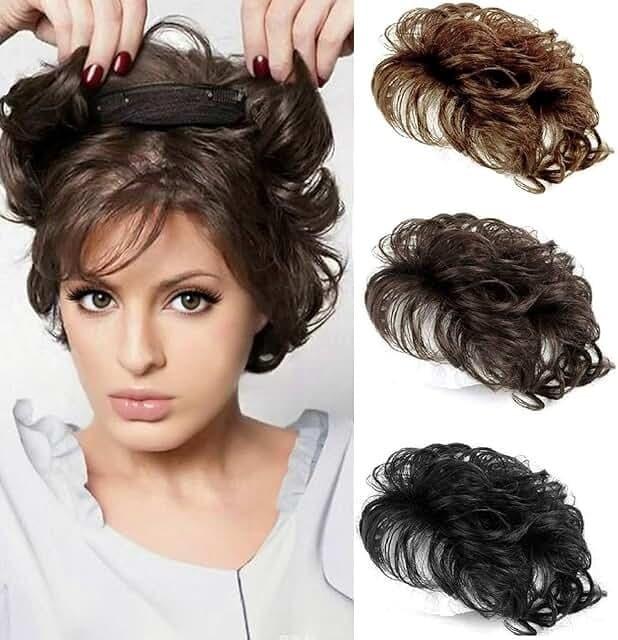
 — discreet stitching or elastic threading for longevity.
Start by measuring your head correctly. A well-fitted cap reduces slippage dramatically. Stretchy caps with elastic bands hold better than overly large or stiff caps. If your wig feels loose, try moving to a size down or using an adjustable cap. When learning how to secure a wig without glue, investing time in accurate sizing is the single most important step.
Wig grips are soft, adjustable bands that sit around your hairline under the wig. They are breathable, washable and designed specifically to stop movement. Many grips have a suede-like finish or silicone lining to increase friction against the scalp. For those exploring how to secure a wig without glue, a wig grip offers a low-cost, high-impact solution. For thin hair or slick scalps, choose a grip with silicone dots or textured fabric.
Most quality wigs include extra security features: adjustable straps at the nape, sewn-in combs and internal clips that latch to your hair or undercap. If your wig lacks these, you can sew in small wig clips or snap-combs along the perimeter or at the temples. Combining these internal hardware options will dramatically increase stability without any adhesive.
A flexible option is to sew a narrow elastic band from temple to temple across the wig’s inside. This "chin-strap" or "silicone-lined band" pulls the wig snugly to the shape of the head. When teaching yourself how to secure a wig without glue, learning a few simple stitches or asking a stylist to do this customization can transform fit and comfort. Use clear or black elastic to match the wig's color for invisibility.
Bobby pins are a classic, immediate fix. For lace-front units, carefully slide pins through the edge of the wig cap (not the lace) into your natural hair or the wig grip. Place pins at the temples, behind the ears and at the nape for balanced hold. U-pins and long hairpins are excellent for thicker wigs and updos. Remember to distribute pins symmetrically to avoid tension on one area.
Undercaps protect your natural hair, wick sweat and create a textured surface that prevents slipping. Caps made of cotton, mesh or silicone each offer slightly different benefits: cotton for breathability, mesh for ventilation, silicone for grip. If you struggle with how to secure a wig without glue, experiment with different undercap styles and layering — a thin silicone liner plus a cotton cap can offer both grip and comfort.
Accessories double as fashion statements and functional anchors. Cinch a wide headband across the front hairline or tie a silk scarf securely around your perimeter — this keeps lace in place and hides edge details. For active days, a sport-style headband over the wig will secure the front and absorb sweat. These styling tricks are subtle yet effective answers to how to secure a wig without glue.
For longer-term wearers, consider professionally sewing the wig to a netted undercap attached to your hair (if you have hair) or to micro-wefts. This is commonly called a partial sew-in or anchor sew. It allows the wig to stay put during heavy activity while remaining removable by a skilled stylist. This method is a robust solution for those who need to know exactly how to secure a wig without glue for sports or daily demanding conditions.
Sometimes movement comes from the wig being too heavy at one area. Thinning excess bulk, reshaping the nape and trimming lace for a clean hairline reduce drag and weight. A balanced, well-shaped wig will sit better and stay in place during the day. When modifying the unit yourself, proceed conservatively or seek a professional to avoid irreversible changes.
Comfort matters as much as security. If the wig rubs or creates pressure points, pad sensitive areas with foam strips or breathable silicone pads. Many wearers add small sewn-in cushions at the temples to remove sharpness from clips and combs. Always test adjustments for short periods before committing to all-day wear.
Regular cleaning prevents slippage caused by oil and product buildup. Wash and condition synthetic or human-hair wigs following manufacturer instructions. Re-tighten adjustable straps as the unit naturally relaxes with wear. Store wigs on stands to preserve shape and avoid stretching. Proper care is a key part of mastering how to secure a wig without glue, because a fresh, well-maintained wig fits better.
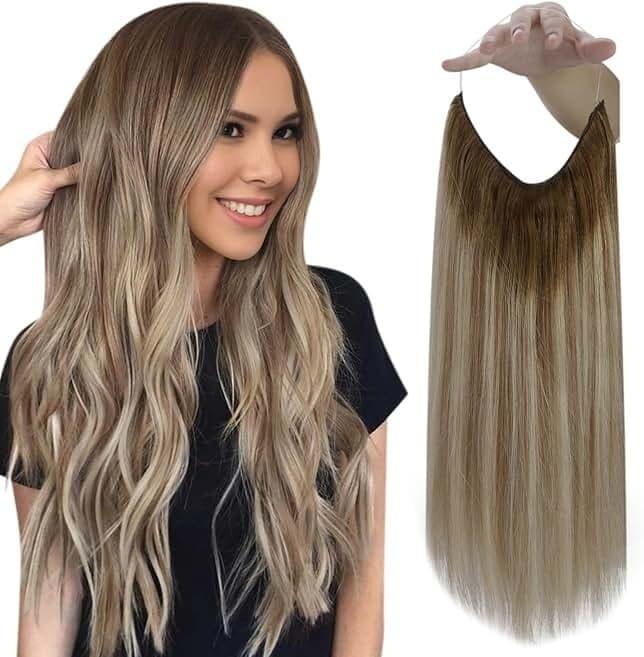
Following these steps will help you consistently answer the question how to secure a wig without glue in a practical, repeatable way.
For athletic activities, double up: a snug undercap, sewn-in elastic and a snug headband are preferred. For windy conditions, add more anchoring at the nape and temples. Test your chosen combination during a practice run — jogging in place, head turns and jumping — before committing to longer events.
If you have sensitive skin, pick natural fibers like cotton undercaps and avoid silicone if it causes heat buildup. Hypoallergenic wig grips and soft cotton bands are available. Keep the skin clean, moisturized and protected with barrier creams designed for scalp use (apply lightly and in accordance with product instructions). These precautions make learning how to secure a wig without glue more comfortable and sustainable.
If you are unsure about sewing, customizing the cap, or making alterations that might damage an expensive unit, consult a professional wig stylist. A qualified technician can attach discreet clips, adjust wefts and recommend materials tailored to your hair type and lifestyle. Professionals can show you multiple combinations for how to secure a wig without glue that match your goals: seamless everyday wear, sporty performance or special-event reliability.
Many effective measures cost little: bobby pins, elastic bands, and headscarves are all inexpensive. Wig grips and undercaps are affordable and reusable. Even basic sewing skills transform a standard wig by adding a few clips or an elastic band. For budget-conscious wearers, focusing on fit and friction often yields the best value for long-term stability.
Hairstyles like low buns, half-up looks and side parts shift the weight of the wig and reduce forward drag. Tucking bulk into the nape or creating a secure updo distributes tension evenly. When experimenting with style, keep testing for movement and tighten attachments as needed.
These practical steps answer the central concern of many readers: how to secure a wig without glue in a way that is safe, repeatable and tailored to daily life.
Common errors include relying on a single thin pin, ignoring adjustable straps, and failing to re-tie or re-tighten after prolonged wear. Quick fixes: add an extra pin, swap to a grippy undercap, or re-align the hairline and tighten straps. Simple corrections often produce dramatic improvements.
When buying products, look for non-slip textures, breathable fabrics and adjustable features. Avoid caps that are excessively shiny or slippery. Prioritize items with good reviews from users with similar lifestyles. If possible, test multiple materials to find the best combination that answers your question of how to secure a wig without glue for your specific scalp and activity level.
There are many practical, stylish ways to keep a unit stable and comfortable without adhesives. Whether you prefer a quick pin-and-headband routine, a professionally sewn anchor, or a multi-layered approach with a wig grip and elastic band, options exist for every budget and lifestyle. By understanding the principles of fit, friction and balanced tension, you can confidently adopt methods that make the wig feel natural and secure all day long. Repeat the key phrase how to secure a wig without glue as you test methods, because repeated practice and incremental adjustments lead to the most reliable results.