Preparing your hair before installing a wig is an essential step that influences comfort, longevity, and the realism of the final look. Whether you're new to wigs or refining your routine, this guide explores practical steps, pro tips, and troubleshooting techniques so you can consistently achieve a seamless, natural hairline and a secure fit. Throughout this long-form guide you'll find a balanced blend of technical instruction and styling strategy, and you'll see the target phrase how to prep hair for wig used strategically to support search relevance and help readers quickly identify core sections.
Before diving into the procedural steps, understand why preparation is critical. A properly prepared base ensures:
Gathering the right supplies before you begin saves time and avoids mistakes. Typical tools include:
Start with a dry, clean scalp. Oils, dirt, and product buildup interfere with adhesives and can cause slippage or irritation. Use a gentle, pH-balanced cleanser or witch hazel to remove oils around the hairline if you will use tape or glue. If your scalp is sensitive, perform a patch test with any adhesive several days before installation. For hair that is naturally dry or flaky, apply a lightweight, non-greasy moisturizer a day prior — avoid heavy creams or oils immediately before applying a wig.
There are several base options depending on hair length, texture, and the wig type (lace front, full lace, or machine-made):
How you secure your hair influences how natural the wig will sit. For long, thick, or coily hair, cornrowing with tight, even braids is often best. Braid sizes should be small enough to lie flat but not so tight that they cause scalp pain. Use elastic bands on braid ends if needed, tucking loose ends under the braid to avoid lumps. For medium-length hair, lay it flat with a smoothing gel and twist it tightly, then wrap and pin it to create a flat surface. For thin or short hair, a wig cap may be sufficient; use bobby pins to anchor stray pieces.
A well-chosen wig cap color that matches your scalp tone helps with realistic parting and hides braid lines. Stretch the cap carefully over your hairline, smoothing any creases. If you plan to use adhesive, ensure the cap is thin and breathable. Some prefer a double cap method — a thin cap closest to the scalp and a top cap to protect hair and reduce friction. For a natural look, cut the cap carefully at the front if you intend to leave a small amount of hair out for blending (leave-out). Always test the cap's fit: it should be snug without cutting into the skin or compressing the braids.
Decide whether you want a full lace or lace front that allows for a natural hairline, or a wig with a defined seam. If you plan to leave out hair to blend, carefully measure and leave a thin strip along the perimeter that matches your natural hair density. For a seamless finish, trim and style the leave-out so that it blends into the wig's lace and hairline. If you prefer a fully covered look, ensure braids and cap edges are invisible by creating extremely flat braids and smoothing gel along the perimeter.
For glued or taped installations, prep the perimeter by removing oils using isopropyl alcohol on a cotton pad. Allow the area to dry completely. Use skin-safe adhesives and always follow manufacturer instructions. Apply a thin bead of adhesive along the hairline, wait until it becomes tacky, then press the lace gently into place. For tape, cut small strips, place them along the perimeter, remove the backing, and press the wig down. Pro tip: avoid heavy-handed application; less is more. Always have a quality adhesive remover on standby and plan removal before sleep if adhesives aren't rated for overnight wear.
Center the wig from ear to ear and from forehead to crown. Use the adjustable straps inside the wig cap to tighten the fit. Check symmetry by aligning the center part with the middle of your nose and ensuring ear tabs line up with your natural ears. If the wig shifts after a few minutes, remove and readjust rather than forcing it to sit in an unnatural position — repeated shifting causes lace tears and premature wear.
For a natural finish, strategically style baby hairs using an edge control gel and a small toothbrush or edge brush. Trim the lace carefully to follow the contours of your brow — cutting in small increments reduces the risk of overcutting. Use a concealer or foundation along the part line (applied sparingly and blended well) to mimic scalp color and enhance realism. Feathering the front of the lace with thinning shears can reduce thickness and create a more delicate hairline.
If your wig is heat-safe, you can apply steam or a low-heat iron to remove manufacturing bumps or to set a part. Use a heat protector and adjust styling tools to the hair fiber's tolerance. Professional stylists often use steam instead of direct heat to relax lace and make it sit more naturally. Be mindful: excessive heat or incorrect styling can change the texture or cause shedding.
To prolong the look and security of your wig, adopt a consistent maintenance routine: store the wig on a mannequin head between wears to maintain shape, wash the wig and breathable cap according to manufacturer guidance, and reapply adhesive only when necessary. For nightly wear, either remove the wig to let your scalp rest or wrap with a silk or satin bonnet to prevent friction and preserve edges. Avoid sleeping in heavy glued installations unless adhesives specify overnight use.
how to prep hair for wig at a pro level includes subtle details that distinguish a great install from an amateur one. Consider these professional recommendations:

Even experienced wearers encounter issues. Below are troubleshooting tips:
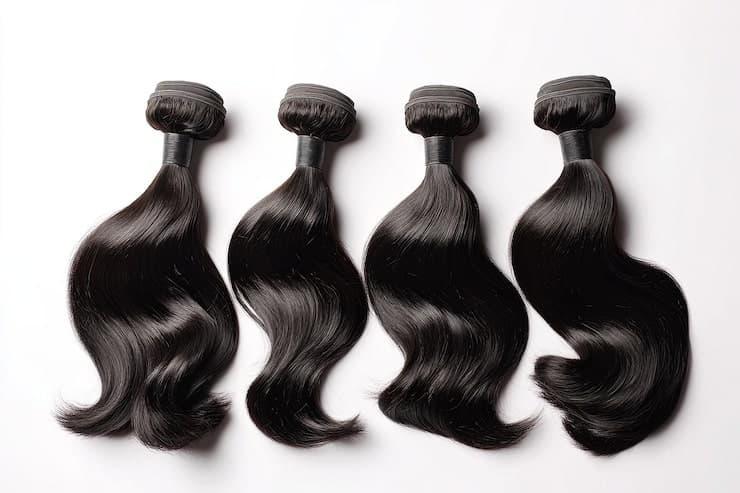
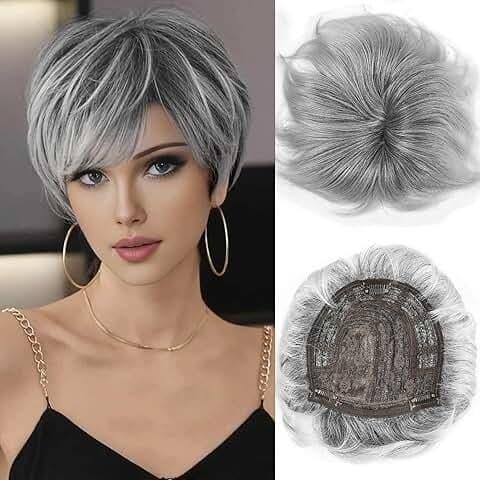
A wig becomes uniquely natural when personalized. Trim bangs, reshape the perimeter, or bleach knots to match your scalp tone. When bleaching lace knots, proceed with caution and follow safety steps—over-bleaching weakens the fiber and may create visible damage. Consider route-mapping the part by creating a deeper part that matches your natural growth pattern and using a small amount of concealer to create depth at the root.
Short hair: smooth with a snug cap and use lightweight mousse to flatten any tufts. Medium-length hair: braid or pancake into a low, flat bun. Long or thick hair: cornrow and secure the ends under the cap, or create two flat braids that run parallel and tuck them tightly. For curly or coily textures, moisturizing and protective braiding is essential; avoid over-tightening to prevent traction alopecia. The how to prep hair for wig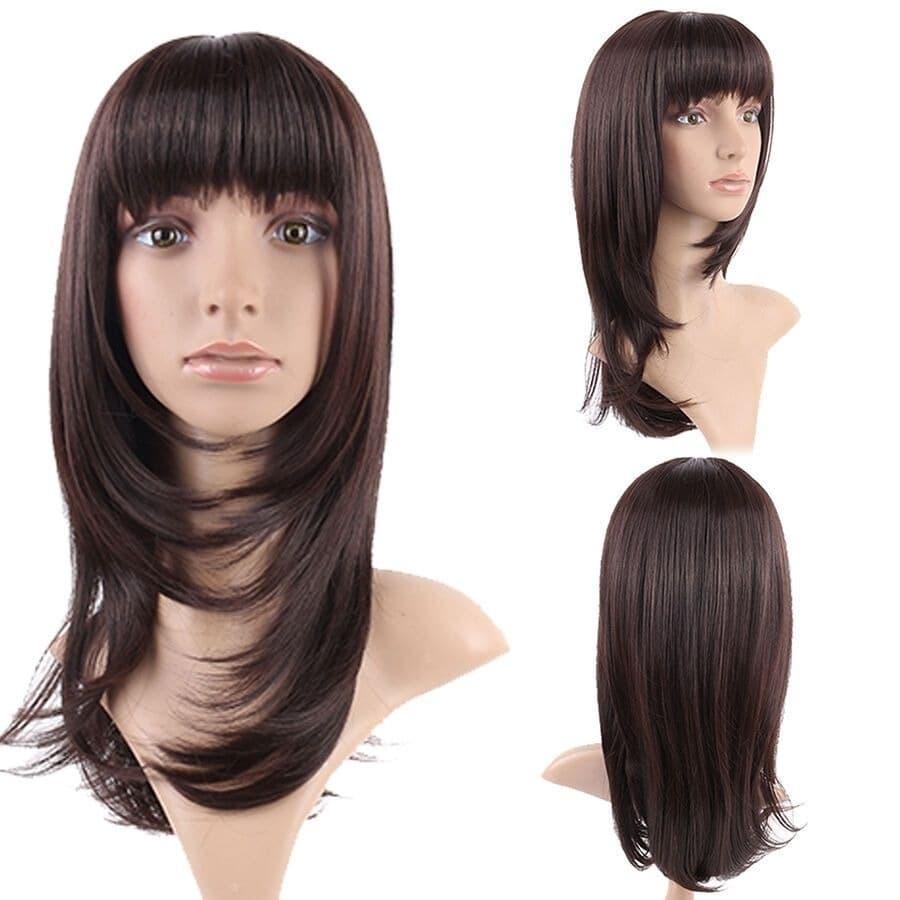 process adapts based on density and elasticity—adjust methods to minimize tension and preserve natural hair health.
Use this quick checklist to ensure nothing is overlooked:
Consistent care extends lifespan and maintains a natural look. Wash or refresh the wig every 10–15 wears (less frequently for high-quality human hair wigs). Deep condition human-hair units monthly, and detangle synthetic wigs gently with a wide-tooth comb. Replace adhesive regularly and replace old, stretched-out caps when they lose elasticity. Track a maintenance calendar to avoid neglect — your wig will look better and stay secure longer.
For special events, sports, or humid climates, add redundancy: use a combination of adjustable straps, a thin cap with adhesive tucks, and a discreet wig grip. Some stylists sew a row of small, soft combs inside the ear tabs for extra anchoring; if you choose this method, ensure combs are padded and won't irritate the scalp. For maximum realism, tuck and glue a small amount of lace under the skin with minimal adhesive and conceal with makeup — only attempt advanced glue work if you have experience or professional assistance.
Removal should be as careful as application. Never rip lace off forcibly—use the appropriate adhesive remover, apply to the edge until the glue dissolves, and gently lift the lace. Wash residual adhesive with a soothing, sulfate-free cleanser and follow with a light scalp moisturizer. If you experience irritation, discontinue adhesive use and consult a dermatologist if symptoms persist. Store the unit on a form or satin pillow and avoid folding lace repeatedly to prevent damage.
Choosing products wisely accounts for both safety and aesthetics. Invest in skin-safe adhesives, alcohol-free lace sealers if you have sensitive skin, and breathable caps. Low-cost adhesives often contain harsh chemicals; paying more for reputable brands reduces risk of allergic reaction and typically yields better hold. For daily wearers, consider a professional wig cap system with adjustable bands and breathable mesh to balance comfort and longevity.
In summary, mastering how to prep hair for wig involves cleaning and protecting the scalp, choosing a flat and comfortable base, securing hair in a low-profile manner, selecting the right cap, applying adhesives safely, and finishing with precise blending and styling. Attention to detail—from the braid tension to the exact placement of tapes—will dramatically improve the natural appearance and security of any wig installation. With practice and a consistent routine, you can streamline these steps and achieve salon-grade results at home.
