If you've ever worn a wig and felt the urge to scratch, you are not alone. Scalp itching while wearing a wig can come from multiple sources — friction, synthetic fibers, sweat, adhesives, or sensitivity to materials. This comprehensive guide explains practical, dermatologist-friendly and stylist-approved methods centered on how to make wigs less itchy so you can enjoy full-day confidence and comfort. Throughout this long-form resource you'll find step-by-step care routines, product suggestions, and tips for scalp health that keep the emphasis on reducing itch without sacrificing style.
Understanding the root causes is the first step in solving the problem. Common triggers include mechanical friction between wig cap and skin, trapped sweat and oil, allergic reactions to lace, adhesive glues or synthetic fibers, and poor hygiene. If you address the underlying cause, remedies for how to make wigs less itchy become more effective and longer lasting.
Wig caps made from coarse wefting or rough lace can rub the scalp. Synthetic wigs sometimes have heat-sealed wefts and monofilament bases that feel abrasive. When focusing on how to make wigs less itchy, choose softer cap constructions like silk top, hand-tied lace, or velvet-lined caps which reduce friction and pressure points.
Trapped sweat and oils mix with dead skin cells and bacteria, creating an environment that intensifies itch. Regular cleansing of both your scalp and wig is essential. A clean routine helps immensely when you search for reliable steps on how to make wigs less itchy.
Some people react to adhesives, tapes, or the dyes used in lace and fibers. Patch testing products and choosing hypoallergenic options is a proactive approach to how to make wigs less itchy — it prevents reactions before they start.
Getting the base right avoids many problems. Follow these habit-forming steps to reduce the chance of itch from the moment you secure your wig.
Material choice drastically affects comfort. Human hair wigs typically breathe better than many synthetic fibers, and premium lace or silk tops recreate a scalp-like feel. For frequent wear, look for caps with soft lining or velvet edges to reduce abrasion and anchor irritation as you apply knowledge about how to make wigs less itchy.
 Excellent for sensitive scalps — velvet reduces friction dramatically and is a top tip for how to make wigs less itchy.
Using the right products before and after wig wear protects your skin and reduces itch. Prioritize non-comedogenic, fragrance-free formulations recommended for sensitive skin.
Anti-itch scalp sprays, medicated powders, or cornstarch-based powders can absorb sweat and reduce rubbing noise between cap and scalp. Applying a small amount of lightweight powder along the hairline and part can offer immediate relief and long-term benefits as you learn how to make wigs less itchy.
For ongoing sensitivity, incorporate a gentle scalp treatment into your nightly routine: aloe vera gel, chamomile-infused sprays, or 1% hydrocortisone cream for flares (use only occasionally and consult a healthcare professional for frequent issues). This kind of maintenance is a key element in strategies for how to make wigs less itchy.
How you secure a wig contributes to comfort. Below are attachment tips that reduce the need for strong adhesives and repeated skin contact.
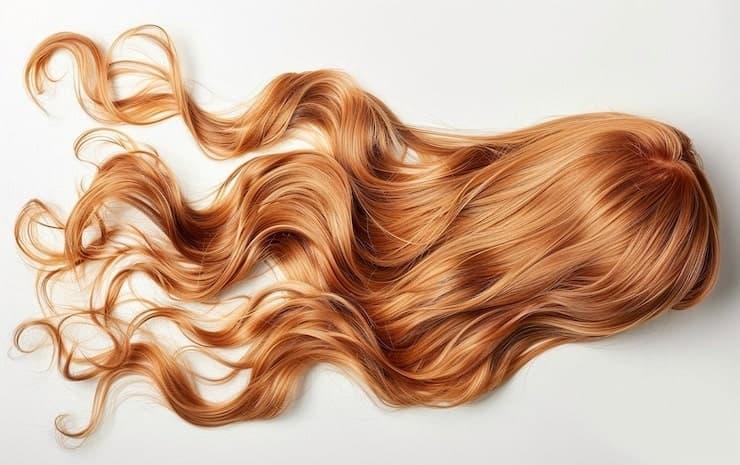


Regular care prolongs wig life and reduces itch. How you wash and dry a wig matters. Use lukewarm water, a gentle sulfate-free shampoo, and a conditioner formulated for wigs or human hair. Let wigs air dry on a stand to avoid heat damage. Cleaning frequency depends on use — once every 7-10 wears is typical for daily users; more frequent cleaning may be needed if you sweat heavily.
Occasionally use a mild vinegar rinse or a specialized wig clarifying shampoo to remove build-up that causes itch. Rinse thoroughly to remove residues that could continue to irritate the scalp — an overlooked but important tip for how to make wigs less itchy.
Small, personal tweaks often make the biggest difference and are cost-effective.
If itching persists despite best practices, consult a dermatologist to rule out infections or allergic dermatitis. Wig specialists can also recommend cap conversions or custom bases that dramatically improve comfort and address deeper questions about how to make wigs less itchy.
When itch strikes while you are out, quick strategies include removing the wig (if possible) to let the scalp breathe, applying a cooling facial mist or aloe vera wipe to the affected area, and using a paper-thin breathable headscarf until you can perform a full care routine. These short-term moves keep you comfortable and reduce the risk of worsening irritation while you continue implementing long-term solutions for how to make wigs less itchy.
Choose products labeled hypoallergenic and fragrance-free. Seek out wig liners in silk or bamboo, medical-grade adhesive removers, and gentle clarifying shampoos. When reading reviews, filter by users who indicate sensitivity and long wear — their feedback aligns closely with strategies on how to make wigs less itchy.
By combining appropriate product choices, regular maintenance, and thoughtful attachment methods you can significantly reduce—and often eliminate—the distraction of itch. Consider creating a personal comfort routine that you follow each day you wear a wig; consistency matters more than perfection. Revisit the core suggestions above when you want to deepen your knowledge about how to make wigs less itchy.
Comfortable wig wear requires attention to fit, materials, scalp care, and gentle products. Whether you're experimenting with DIY liners, switching to softer cap types, or consulting professionals for a custom fit, the tools to reduce itch are within reach. Focus on prevention, adopt a scalp-friendly cleaning ritual, and prioritize breathable, hypoallergenic materials to transform your wig experience and answer the persistent search of how to make wigs less itchy.