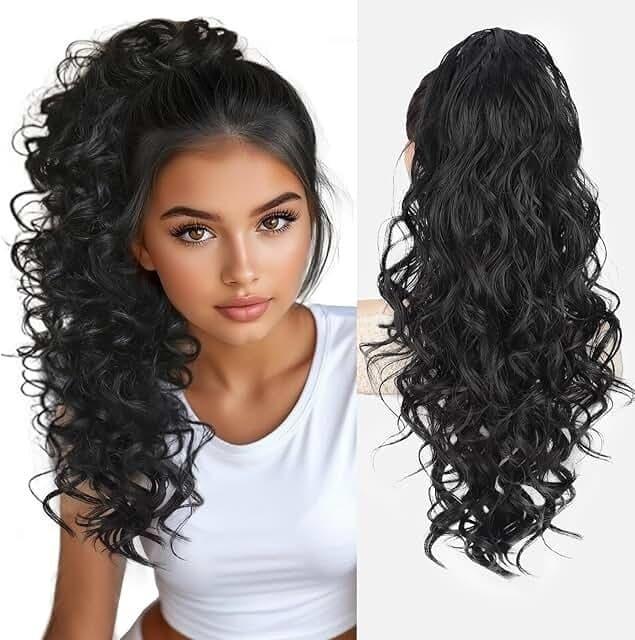
Comprehensive Guide to Braided Hairpieces and Effortless Styling
When searchers want a natural protective style that is low-maintenance yet striking, many discover the versatility and instant beauty of braid wigs. This long-form guide dives into how these braided hairpieces can recreate authentic textured looks, the types available, styling techniques, and upkeep strategies so you can achieve salon-quality results at home. Throughout the piece you'll find practical tips, buying checklists, and styling ideas designed to boost your confidence when selecting or caring for braid wigs.
Why Choose Braided Hairpieces?
Braided hairpieces offer an instant transformation: they provide the aesthetic of meticulously plaited hair without the hours spent in a salon chair. Whether you're aiming for box braids, goddess braids, or micro braids, braid wigs allow you to switch looks quickly, protect your natural strands, and sample colors or lengths before committing. They are ideal for busy lifestyles, travel, special events, and for protective styling during hair growth phases.
Core Advantages
- Time savings: Ready-made braid wigs save hours compared to hand-braiding.
- Hair health: Wigs reduce manipulation and protect natural hair from frequent styling damage.
- Versatility: Swap between partings, densities, and lengths without altering your natural hair.
- Experimentation: Try ombré, bold colors, or mixed textures safely.
Types of Braid Hairpieces
Understanding variants helps you pick the best option for your lifestyle. Common forms include pre-braided wigs with lace fronts for realistic hairlines, braided units with wefted bases for volume, and handmade custom units that mimic scalp patterns. Each construction affects installation method, breathability, and finished look.
Popular Styles
- Box braid wigs – Classic, medium-to-large plaits with uniform sections for a timeless look.
- Goddess braid wigs – Larger, curved braids that create dramatic, sculptural styles.
- Micro braid wigs – Finer braids that provide a delicate, natural finish but may require lighter-weight units.
- Knotless braided wigs – A smoother root appearance that reduces tension and looks more natural at the scalp.
Materials and Construction
Materials can make or break the realism and longevity of a braid wig. Synthetic fibers are lightweight and colorfast, while human hair or high-grade heat-resistant fibers offer styling flexibility and a more natural sheen. The base can be full lace, lace front, or machine weft; lace front units often deliver the most natural parting, whereas hand-tied lace sections create a convincing scalp illusion.
Comparing Materials
- Synthetic: Affordable, pre-styled, limited heat-styling options.
- Heat-resistant synthetic: Better for occasional styling with hot tools at lower temperatures.
- Human hair: Highest realism, can be colored and heat-styled like your own hair, requires higher maintenance.
When searching online, include terms such as braid wigs, lace front braids, or knotless braided wigs to refine results and compare construction details.
Choosing the Right Fit and Density
Fit affects comfort, mobility, and realism. Measure your head circumference to select an appropriate cap size. Density determines how full the unit will appear—lighter densities can mimic natural hair growth, while heavier densities create dramatic, voluminous styles. Consider where you’ll wear the wig and how long you plan to keep it: lightweight options are better for hotter climates or daily wear.
Quick Fit Checklist
- Measure head circumference accurately.
- Decide on cap style: adjustable straps vs. elastic bands vs. wig grips.
- Test the parting depth and hairline type in product images or videos.
Installation Techniques for a Natural Finish
Installation ranges from temporary (clip-ins and wig grips) to semi-permanent (glue or sewing onto a braided base). For the most natural look, align the lace front with your natural hairline, trim excess lace carefully, and blend edges with light baby hairs or edge control. If you prefer non-adhesive methods, sew the unit onto a braided cap or use adjustable combs and elastic bands.
Step-by-Step Basic Install
- Prep your natural hair: cornrow into a flat base or wear a wig cap.
- Secure the wig with adjustable straps or t-pins to check placement.
- Trim the lace slowly; cut in small increments to avoid over-trimming.
- Apply edge styling or small braids at the hairline for seamless blending.
Styling Tips to Enhance Realism
Once installed, you can style braid wigs in ways that mirror natural braids. Lightweight oils or serums can reduce flyaways and add subtle shine. To craft partings and scalp-like spaces between braids, gently pull a few braids apart at the base or create smaller, customized sections near the part. Accessories such as beads, cuffs, ribbons, or headwraps can personalize the look without damaging the unit.
Heat and Versatility
Most synthetic braided units do not tolerate high heat; check fiber specifications. Human hair options can be curled or straightened but maintain heat protection to prolong the lifespan of braids. For protective styles like buns or ponytails, secure with soft bands that won't fray the braids.
Maintaining and Extending the Lifespan
Maintenance is straightforward but essential. Clean the scalp area and unit gently to remove oils, product buildup, and environmental residues. Use sulfate-free shampoos and diluted cleansing methods to avoid tangling. When drying, pat down or air-dry and avoid rubbing the braids together. Store units on a mannequin head or in a breathable bag to preserve shape and prevent dust accumulation.
Maintenance Routine
- Weekly: scalp cleanse with a gentle, diluted cleanser; spot-clean braids as needed.
- Monthly: deep condition if human hair; for synthetic, use a fabric softener soak to refresh texture.
- Daily: smooth flyaways with a lightweight oil, avoid heavy products that attract dust.
Well-cared-for braid wigs can last many months depending on wear frequency and fiber choice.
Protective Styling and Scalp Health
While braid units are protective in that they reduce direct manipulation of your natural hair, correct installation and periodic breaks are important to prevent tension-related damage. Ensure your natural scalp breathes and that the unit is not too tight. Consider alternating lengths and densities to reduce constant weight pull on the roots. If you experience soreness or prolonged tenderness, remove the unit and give your scalp a recovery period.
DIY Options vs Pre-made Units
For DIY enthusiasts, creating a custom braided cap or braiding onto a mesh base offers personalization: you control parting placement, braid size, and hair color. However, handmade units are time-consuming and require technical skill. Pre-made braid wigs offer convenience and consistent quality—look for vendors who provide clear photos of the hairline, inside cap, and high-resolution close-ups of the braids.
Navigating the Market: Shopping Tips
When buying online, prioritize vendors with detailed product descriptions, customer reviews, and clear return policies. Ask about fiber type, cap construction, and whether the wig is pre-stretched (some braided units are pre-stretched to avoid excess bulk at the ends). Compare prices across sellers but be wary of deals that sacrifice quality—realistic lace fronts and hand-tied knots often come at a premium.
Checklist Before Purchase
- Confirm fiber type and heat tolerance.
- Request clear photos of the lace and hairline.
- Check cap size and adjustability options.
- Review shipping, returns, and any restocking fees.
Customization and Aftercare Services
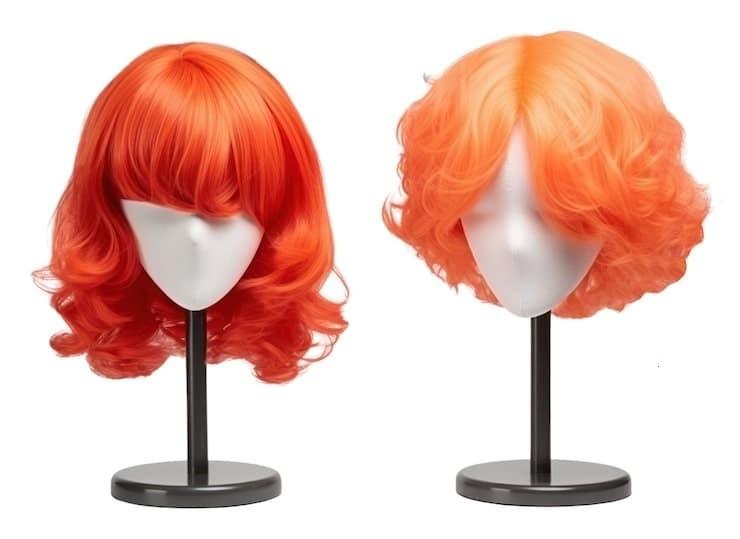
Many salons provide wig customization services like plucking the hairline, adding baby hairs, or trimming layers for face-framing. Investing in professional customization often elevates the realism of braid wigs. Aftercare services can include re-tightening, steam refreshing to reduce frizz, or re-braiding sections to extend the unit’s life.
Troubleshooting Common Issues
Issue: Visible lace or unnatural parting. Solution: Lightly tint the lace with a compatible foundation or tea staining method, and pluck tiny sections along the part for a gradual density. Issue: Excessive frizz. Solution: Trim loose ends and apply a small amount of serum along the lengths, avoid heavy waxes that stiffen the fiber. Issue: Uncomfortable fit. Solution: Use a wig grip or go to a professional to alter cap tension or add adjustable bands.
Styling Inspiration and Longevity Hacks
For long-term style variety, rotate accessories and experiment with updo conversions such as braided buns, half-up half-down looks, and side-swept designs. To extend the lifespan of lighter fibers, sleep with a satin scarf and store units away from direct sunlight which can fade colors.
Eco and Ethical Considerations
More shoppers seek ethically sourced human hair and recyclable packaging. When possible, choose vendors that provide transparency about sourcing practices and fair labor. High-quality synthetic fibers that are recyclable or designed for reuse may also be a greener alternative if human hair sourcing is a concern.
Summary: Making the Most of Braid Hairpieces
Whether you prioritize realism, convenience, or protective benefits, braid wigs deliver a flexible approach to textured styling. Key takeaways: know your cap and fiber types, measure for fit, choose the braid size that flatter your face shape, and maintain gently to preserve the unit. Investing time in proper installation and routine care will maximize life expectancy and natural appearance.
Quick Tips Roundup
- Measure your head and read return policies before buying.
- Select lace front or hand-tied caps for realistic hairlines.
- Use gentle cleansers and lightweight oils—less is more.
- Customize at the edge to create baby hairs and a softer front.
- Rotate styles and give your scalp periodic rest.
Where to Find Reputable Units
Look for specialty vendors that focus on braided units, read gallery photos, and examine user-submitted images. Social proof in the form of videos demonstrating movement and close-ups of the parting are invaluable. Ask sellers about cap construction, density options, and whether units are pre-braided with synthetic or human hair fibers.
Final Thought
With thoughtful selection, installation, and maintenance, braid wigs become a long-term, beautiful, and protective addition to your styling toolkit. They balance convenience with creativity, allowing repeated reinvention without ongoing commitment to permanent braids.
FAQ
- How long can a typical braid unit last?
- With appropriate care, human-hair braided wigs can last several months to a year; synthetic units commonly last a few months depending on wear frequency.
- Can I swim or shower with a braid wig?
- Swimming in salt or chlorinated water is not recommended without protective measures; brief exposure can be managed by rinsing, but frequent submersion shortens lifespan—consider a swim cap.
- Are braid wigs suitable for all hair textures?
- Yes, there are braided units that mimic a wide range of textures—choose the fiber and braid size that best match your natural curl pattern or desired aesthetic.