This comprehensive tutorial focuses on practical, artistic, and SEO-friendly advice for artists and illustrators who want to master techniques for realistic hairpieces. Whether you are drawing stylized costume wigs or aiming for lifelike, scalp-attached hairstyles, the steps below will guide your eye, hand, and shading choices. The phrase how to draw a wig appears throughout as a focus keyword to help readers and search engines identify the core topic while the content itself expands on texture, movement, and rendering tips.
Before you touch pencil or digital brush, shift your thinking from individual hairs to masses and volumes. A wig is a constructed form that sits on a skull shape; treat it like a 3D object. Visualize the cap, the parting, and the way strands fall and overlap. This volume-first strategy will instantly make attempts at how to draw a wig look more convincing because edges, shadows, and highlights will follow consistent shapes.
Break the process down and follow through: plan the cap, mark the hairline and part, block out major hair masses, refine flow and strands, and finish with texture, shine, and background contrast. When you practice how to draw a wig, repeat these stages slowly—rushing typically leads to flat results.
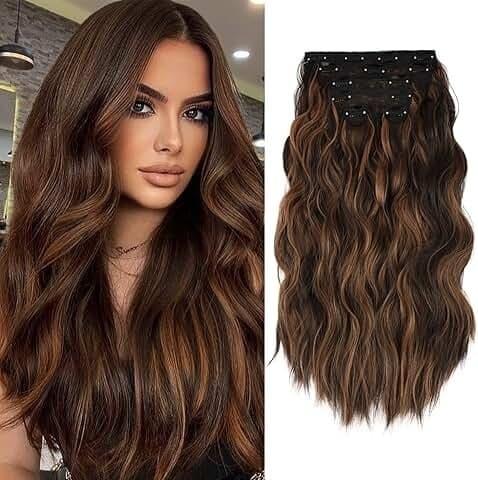
Texture turns mass into believable hair. Use a combination of short tapered strokes, varying pressure, and layered values. For synthetic wigs that reflect light sharply, create linear highlights following the hair flow; for natural hair, break highlights with micro-variations and softer edges. The same principle applies to density: tighter strokes create thickness, while intermittent short strokes and visible scalp areas create thinner regions.
The root area and the part are where many artists stumble when learning how to draw a wig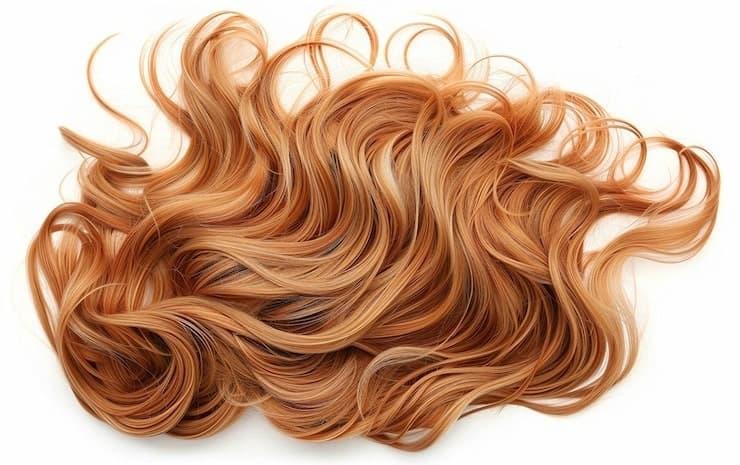 . The part typically has a tiny channel of lighter value that follows the scalp curve. Add a faint shadow near the sides of the part and a few short, subtle strokes to suggest the direction hair is glued or sewn into the wig cap. For lace-front wigs, mimic the lace edge by softening the boundary and placing delicate, semi-transparent strokes.
Balance local shading (small area detail) and global shading (overall shape). Local shading establishes texture, while global shading emphasizes volume. If you keep too much local detail without a supporting global value plan, the wig will appear flat. Conversely, strong global shading without texture will look generic. Combine both: block in global shadows, interpolate values, and then pick areas for tighter local strokes.
Cross-hatching can work for dense or stylized wig representations. Use hatch sets that follow hair flow; otherwise cross-hatching will fight the form. Directional strokes are preferable when aiming for fluid, glossy hair.
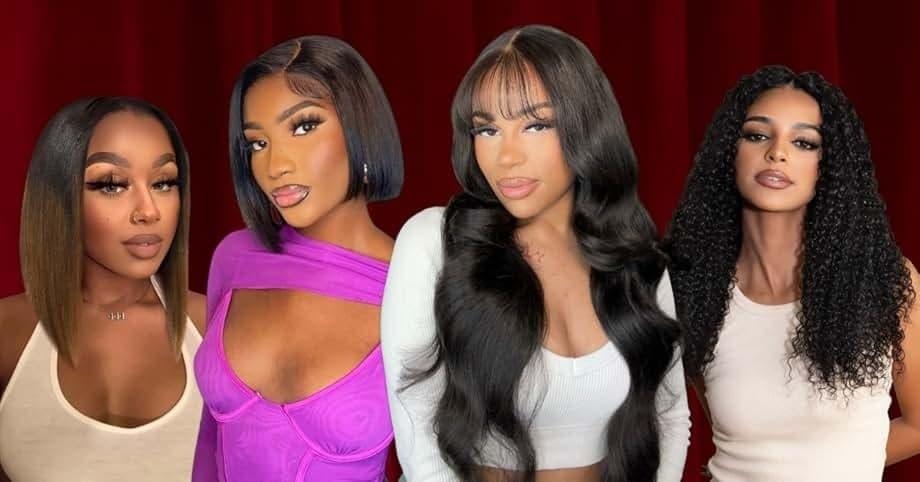
Mistake: Drawing each hair individually. Fix: Start with masses, then refine selectively. Mistake: Uniform value across the wig. Fix: Map out light source and vary tones by planes. Mistake: Hard, unnaturally straight outlines. Fix: Add flyaways and soften edges with blending or an eraser lift to break the silhouette.
For high realism, learn to render reflected light on hair. Light bouncing from a collar or environment will tint hair subtly. Use warm or cool mid-tones in shadow areas depending on environment and hair color. Combine thin highlights with slightly blurred softer highlights to imitate multiple reflective layers—this makes the wig appear three-dimensional and rich.
In digital work, use low-opacity soft brushes to glaze color, and textured brushes for hair grain. Smudge along the hair flow sparingly to unify strokes. Add a noise layer or subtle grain to reduce overly smooth areas and increase believability.
Time estimates vary by medium and desired level of detail. When practicing how to draw a wig, do multiple quick studies focusing each time on a single challenge: parting, shine, flyaways, or curl pattern.
Color choice influences perception of texture. Warmer highlight tones often imply glossy treated fibers; cooler tones can give a natural matte impression. For multi-tone wigs use subtle gradation from root to tip and occasional stray strands of different shades to add complexity. When painting, avoid uniform saturation—desaturation in shadow areas helps focus highlights.
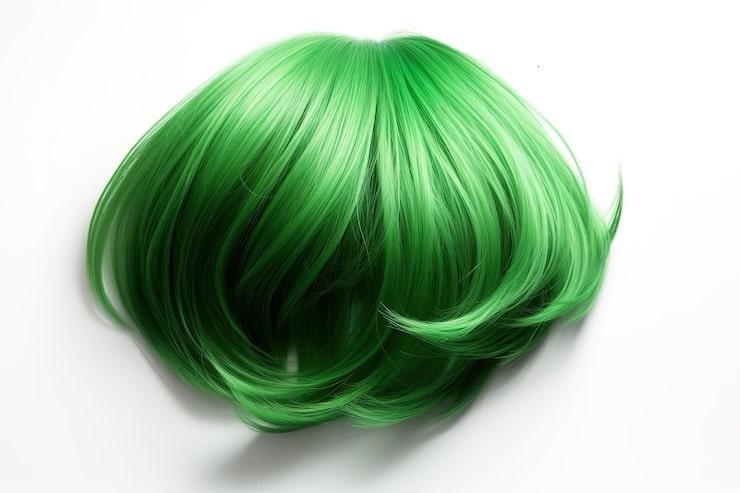
Present the wig on a simple head or mannequin to let the hair be the focal point. Use a neutral background and ensure lighting is consistent. Cropping tightly around hairlines communicates detail and makes small textures visible to viewers.
Using the phrase how to draw a wig in critical headings and within the first 150 words helps readers and search engines immediately understand the topic. This article intentionally repeats and wraps the target phrase with semantic tags to emphasize relevance without compromising readability.
Imagine a shoulder-length, layered wig with a side part. Sketch the head, mark the side part, block three overlapping layers: crown, mid-length, and ends. Subdivide each layer with directional strokes that curve with the head. Add darker shading near seams and where layers overlap. Introduce highlights along the topmost curves and taper strokes toward ends. Add sparse flyaways at the crown and near the neck. Finalize by deepening contrast near the nape and adding a soft shadow beneath the hair to anchor it.
Develop a small library of brush presets or pencil stroke patterns that replicate hair types you draw often. Use reference photos but avoid tracing; instead, study the flow and transfer that knowledge to your own simplified forms. Maintain a clean, consistent naming for layers or passes if working digitally, so you can adjust highlights, mid-tones, and shadows independently.
Learning how to draw a wig is about combining volume thinking, directional strokes, value control, and texture layering. Focus on mass first, refine flow, and then invest in varied shading and highlights. Practice targeted drills to improve weak spots, and always compare with references. Over time, consistent attention to roots, parting, and material-specific shine will produce wigs that read naturally and convincingly.
For further study, combine these techniques into timed sketches and full renderings, and keep iterating. This focused workflow will help you master how to draw a wig with natural-looking hair, texture, and convincing shading.
