If you've ever wondered how long does a wig last on your head, you're not alone. This comprehensive guide explains realistic life spans for different wig types, the factors that influence longevity, and a wide range of simple, actionable care tips to extend the usable life of your wig. Whether you wear a synthetic unit, heat-friendly fiber, human hair wig, or a lace front attached with adhesive, understanding maintenance and daily handling will help you protect your investment and keep your style looking fresh.
Wig durability depends on material, usage pattern, and how you care for it. Below is a concise expectation chart to help you plan:
Several key variables affect longevity. Focus on these to push the upper limits of your wig's wearable life:
Small daily adjustments prevent long-term damage. Use the checklist below to reduce stress on the fibers and base:
Washing frequency varies by use: weekly for active daily wearers, every 10–14 days for casual wear, and less frequently for display or occasional units. Proper technique matters more than over-washing:
Fill a basin with cool water, add a wig-formulated shampoo, submerge gently, and swirl without rubbing. Rinse thoroughly in cool water. Do not wring or twist. Pat with a towel to absorb excess water.
Human hair wigs benefit from salon-grade conditioners and deep treatments—apply mid-length to ends and avoid saturating the cap to preserve knots. For synthetics, use specially formulated conditioners or sprays to restore softness and reduce static.
Air-dry on a wig stand for best shape retention. Use a low-heat blow dryer only on heat-friendly fibers and with a heat protectant. Never dry on a high-heat setting unless the wig is explicitly rated for it.
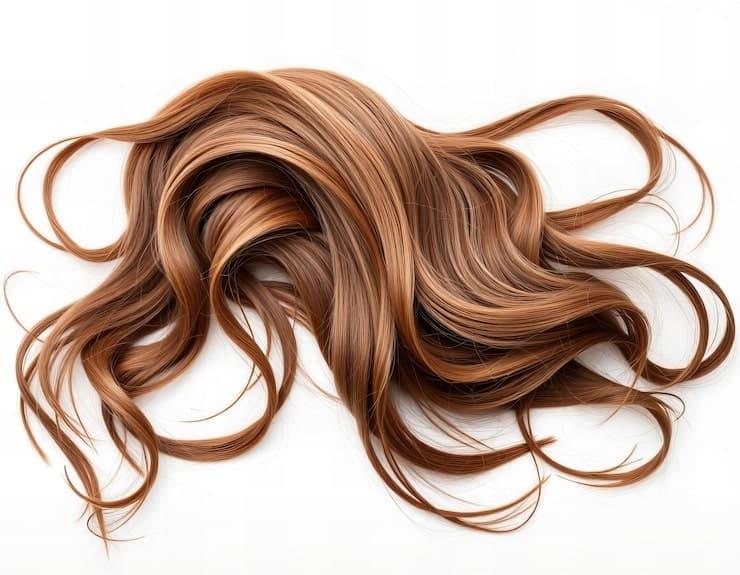
Proper storage prevents deformation and tangling. Store wigs on a breathable wig stand or mannequin head to maintain shape. If you must fold, use a satin bag with a protective net. Avoid direct sunlight, humid bathrooms, and cramped spaces. Long-term storage in a cool, dry place with minimal dust exposure increases lifespan.
Understand cap construction: lace-fronts and monofilament tops are delicate and need gentle handling around the hairline. When putting on or taking off a lace unit, support the front and stretch the cap slowly and evenly to avoid tearing.
To keep your wig looking newer longer, prefer heatless styling techniques when possible. For human hair wigs, use thermal tools sparingly and always on lower heat settings. For synthetic wigs, use steam or low-heat tools only if the fiber is labeled as heat-resistant. Use roller sets, pin curls, and overnight braids for volume without stress.
Small repairs—like re-securing loose knots, reattaching combs, and refreshing the cap—can be handled by a qualified wig technician. Periodic professional deep cleanings, trims, and reconditioning restore shape and remove buildup. Investing in professional maintenance extends usable life significantly, especially for high-quality human hair wigs.
Adhesives and tapes keep wigs secure but can shorten cap life if overused or improperly removed. Use recommended adhesive removers, follow manufacturer rules on application intervals, and alternate attachment points if possible. Lace front areas are particularly vulnerable—clean adhesive residue carefully and avoid excessive scraping.
Recognize the red flags early to avoid a visibly worn appearance:
Minor cap fixes and reconditioning often restore usability. Replace the wig when material fatigue compromises cut, style, or fit to the point that natural appearance is gone or the cap fails to secure safely.
Plan an annual budget for maintenance and eventual replacement. If a human hair wig costs significantly more, allocate for occasional salon services and a reserve fund for a replacement every few years. For synthetic units, expect more frequent replacement but lower per-unit cost—rotate with backup pieces to prolong each item's service life.
Follow these practical steps daily and seasonally to make a meaningful difference:

Below are practical timelines that reflect real-world usage scenarios:
These examples demonstrate that the question of how long does a wig last on your head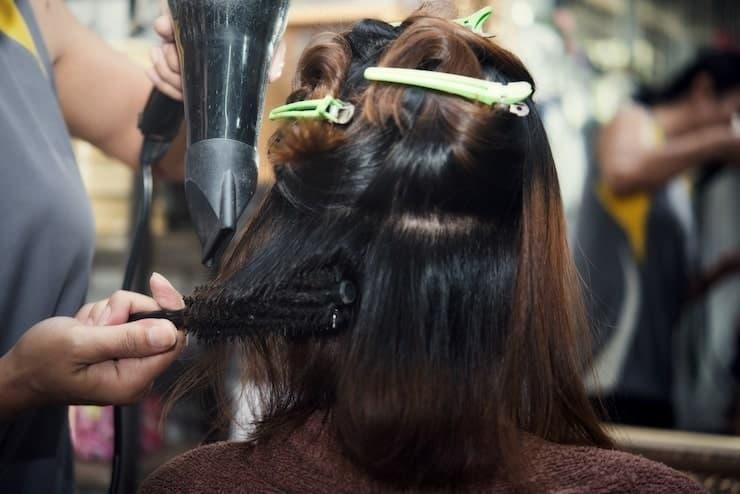 has no single answer—but good care extends life significantly.
Invest in a few essential tools: a wig stand, a wide-tooth comb, a soft-bristle brush for human hair, wig-specific shampoo and conditioner, a spray leave-in detangler, a sealed box or satin bag for storage, and a quality adhesive remover if you use glue. These items are low-cost relative to replacement and improve longevity.
When traveling, bring a compact wig stand, a small bottle of wig shampoo, and a satin scarf to protect a wig in a suitcase. For daily touch-ups, use water or a light leave-in spray and gentle finger styling rather than aggressive brushing.

There are many myths about wig life. Common misconceptions include "synthetic wigs always look fake" (many modern synthetics are natural-looking and durable) and "human hair wigs never tangle" (they do if not conditioned and protected). Educate yourself about realistic expectations for each fiber type.
Final note: balancing cost, style, and care
Deciding how often to replace a wig comes down to balancing appearance, comfort, and budget. Regular maintenance costs are small compared to the price of frequent replacements, and gentle habits can make one high-quality wig last far longer than many cheaper alternatives.
Understanding the variables that answer how long does a wig last on your head empowers you to make smart choices: choose the right fiber for your lifestyle, adopt simple care routines, and use professional services when necessary. With reasonable maintenance, human hair wigs can last years while synthetics can serve beautifully for months to a couple of years depending on use—your daily habits and storage methods are the single biggest determinant of lifespan.
