Choosing a hairpiece that reads as authentic is about more than appearances — it's about how you feel when you look in the mirror. For many, the term highline wigs evokes premium quality, realistic hairlines, and superior comfort. This guide is designed to walk you through the most important considerations when selecting a natural-looking hairpiece, explain construction and material differences, and provide practical styling and care tips so your purchase enhances both style and self-esteem.
To achieve a convincing, lived-in look, a hairpiece must successfully replicate three core elements: the hairline, scalp appearance, and movement. When manufacturers and stylists focus on these, the result is a product that will wear invisibly in most everyday situations. Components to evaluate include lace quality, ventilation (how hair is attached), base materials, and hair fiber characteristics. The keyword highline wigs appears throughout this piece because many consumers searching for lifelike solutions are specifically looking for premium options associated with that term.
One of the first choices you’ll make is between 100% human hair and high-quality synthetic fibers. Human hair offers unmatched versatility — it can be colored, heat-styled, and generally behaves like your own hair. High-grade synthetics are improving rapidly, offering heat-resistant fibers and realistic texture at a lower price. A decision tree helps: if longevity and natural movement are top priorities, human hair usually wins; if budget and low maintenance are more important, choose a modern synthetic option.
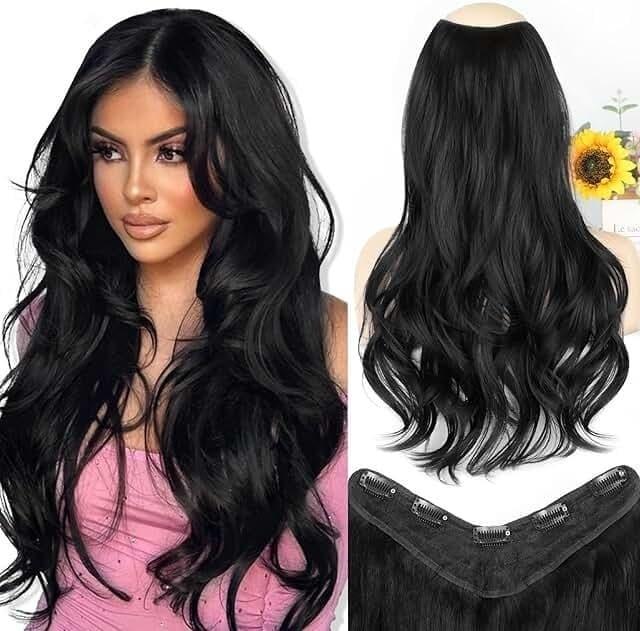
Pay close attention to how the hair is rooted into the base. Cap designs include monofilament tops, lace fronts, full lace, and machine-tied caps. For the most realistic hairline and parting, look for: lace-front or hand-tied monofilament constructions. These options allow each strand to move independently, creating the appearance of hair growing directly from your scalp.
Specifics:
Natural hair rarely consists of a single flat color. Strategic shading, multi-tonal highlights, and subtle lowlights create depth and movement. When searching for highline wigs, consider options that offer blended tones rather than a single dye. If you have existing color preferences, consult a stylist to match root shadowing and balayage patterns — these small details drastically improve the illusion of natural growth.
Density affects how heavy or volumized the hairpiece appears. Too much density can look unnatural and obvious, while too little may appear thin or fragile. Natural hair density varies by age and ethnicity, so aim to match your own hair density when purchasing. The hairline should be soft and graduated — not a straight, dense band. Many highline wigs feature pre-plucked hairlines or can be customized by a stylist to reduce bulk at the front.
Choosing the right silhouette for your face enhances naturalness and harmony. For round faces, medium to long layers with added height at the crown work well; for longer faces, select styles with width and movement; for angular faces, soft layers and waves can soften edges. Browsing images or virtual try-on tools from reputable sellers that specialize in highline wigs can help you visualize options. A professional consultation — even virtual — will provide tailored recommendations.
Even premium hairpieces may benefit from professional customization. A stylist who understands wig cutting and styling can thin, layer, or texturize the piece for a personalized result. If color adjustments are necessary, test small sections first. Many wearers choose to have root shading or highlights added to match their natural gradation. The goal of customization is to create a seamless transition between your hairline (if you have hair) and the hairpiece.
Attachment options include tape, medical-grade adhesive, combs, clips, clips with elastics, and headbands. Your lifestyle influences the best choice: active wearers may prefer adhesive or secure clip systems, while everyday users might favor lighter, less invasive options. Choose methods and products that preserve both the piece and your skin health. For example, hypoallergenic tapes and adhesives reduce irritation. Regular cleaning of the base where adhesives touch ensures longevity.
Proper maintenance extends the life of your hairpiece and keeps it looking realistic. Human hair pieces require a similar regimen to natural hair: sulfate-free shampoos, deep conditioning, and heat protectants when styling. Synthetics need detangling sprays formulated for fibers and should be washed less frequently to retain shape. Store the hairpiece on a mannequin head or stand to maintain the cap shape and avoid tangling. Always follow manufacturer care charts — many highline wigs include specific recommendations for their fiber and construction.
Subtlety is the secret. Use texturizing sprays to break up a uniform surface and create a lived-in look. Avoid heavy shine serums that create an artificial gloss. When heat-styling, work in small sections and keep temperatures moderate to protect fiber integrity. For lace fronts, a tiny amount of concealer or a scalp-colored powder applied to the part can enhance the illusion of skin under the hair. Trimming the nape and softening blunt ends also contributes to a natural silhouette.
Blending techniques depend on how much of your hair remains. For those with partial hair loss, strategically leaving a small amount of real hair at the front can mask the lace edge. Integrating your own bangs or sideburns into the hairpiece can also aid transition. Professional integration services exist where stylists sew or fuse small amounts of natural hair into the cap edge for a seamless join.
When shopping, evaluate multiple sources: specialty boutiques, certified online retailers, and custom wig makers. Important indicators of trustworthy sellers include high-resolution photos, detailed construction descriptions, customer reviews with photos, and clear return/exchange policies. Look for vendors that use the phrase highline wigs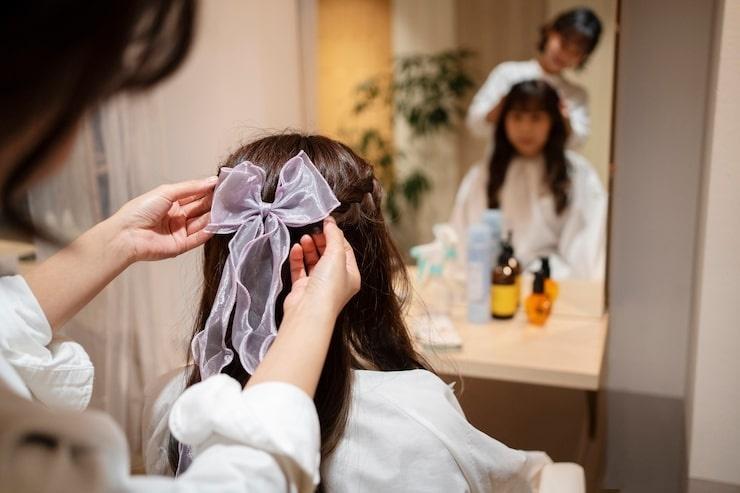 in product descriptions as a sign they focus on elevated, realistic designs, but always verify craftsmanship through specification details and user testimonials.
Higher cost often reflects better materials and more intricate handwork, but not always. A mid-priced human-hair wig from a reputable manufacturer may offer better value than a high-priced product with unknown sourcing. Evaluate warranty length, repair services, and whether the seller provides professional styling support. These add to long-term value and satisfaction.
Consider your daily routine: how often you will wear the piece, activities (sports, frequent outdoor sun exposure), and time available for maintenance. If you need a no-fuss everyday option, a quality synthetic with heat-friendly fibers might be preferable. For occasional wear with the desire for maximum realism and styling flexibility, a human-hair highline wigs option is worth the investment.
When traveling with a hairpiece, pack it in a breathable bag or place on a travel stand. Bring a basic maintenance kit: brush, detangling spray, small container of adhesive or tape, and a microfiber towel. For longer trips, arrange local salon contacts for emergency adjustments — reputable wig salons often offer drop-in or appointment-based services for visitors.
Avoid impulse purchasing based solely on images. Low-resolution photos or lab-like studio lighting can misrepresent texture and color. Request multiple angles and, when possible, videos showing movement. Beware of sellers who cannot provide detailed cap construction specs or that refuse third-party verification. Finally, avoid heavy-handed styling techniques that compromise the hairline — when in doubt, seek a stylist experienced in wig customization.
Secure attachment enhances natural appearance and prevents accidental slippage. Follow manufacturer guidelines for adhesives, and always remove adhesives gently with recommended removers to prevent tearing the lace or damaging the base. Wash both scalp and hairpiece regularly to remove adhesive buildup and oils, which can degrade materials over time. Keep a maintenance log: note how often adhesives are used, when the piece is deep-cleaned, and any repairs performed.
Consider periodic refresh services such as re-lacing hairlines, re-rooting, or reshaping the cap to maintain a lifelike appearance. These services extend lifespan and are more cost-effective than full replacement. Many owners find that a yearly refresh keeps a high-quality piece looking new for several years.
Authenticity indicators include close-up images of the hairline and part, video demonstrations of movement, customer-submitted photos, and detailed specifications of fiber origin and cap construction. If a listing claims to be a high-end or “hand-tied” piece, the seller should be transparent about the process. When in doubt, ask for a short video of the piece being moved by hand so you can see how the hair and lace interact with light and motion.
Better vendors will provide robust return policies and customer service channels to address sizing or color mismatches.
Use soft bristle brushes, wide-tooth combs, breathable heat protectants, and light texturizing sprays. Matte powders for the part and hairline conceal shine and mimic scalp texture. Lace-safe adhesives and skin-colored concealers for the part can significantly increase realism. Avoid heavy oils and silicone-laden products that leave a synthetic sheen.
Factor in recurring expenses such as adhesives, maintenance services, and periodic styling. High initial cost for a high-quality highline wigs piece can be offset by lower maintenance needs and longer lifespan; cheaper options may require replacement more frequently.
Ultimately, the best hairpiece is one that fits both your aesthetic goals and lifestyle. A well-chosen and well-maintained piece can restore a sense of normalcy, complement your features, and provide a subtle confidence boost. Small choices — the right color blend, a softened hairline, or a natural density — compound into an unmistakably realistic outcome.
Selecting a natural-looking hairpiece is a combination of informed choices and personal preference. Whether you prioritize a ready-to-wear solution or a fully customized, hand-crafted item, focusing on realism, comfort, and longevity will help you find an option that enhances your personal style and confidence. Reliable sellers who specialize in highline wigs often provide excellent resources and support to guide you through selection, fitting, and aftercare.
Many wearers report a transformational effect after choosing a hairpiece that matches their lifestyle and personal taste. Stylists emphasize that the extra step of professional customization — such as pre-plucking, root shadowing, and subtle layering — turns a good piece into a great one. If you are uncertain, invest in a short consultation with an experienced wig stylist who can recommend specific products, attachment methods, and styling tricks tailored to your needs.
Educational resources include manufacturer guides, independent bloggers who post real-life photos and videos, and online communities where wearers share unedited experiences. These resources are particularly useful when vetting new brands or trying emerging synthetic fiber technologies that mimic natural hair movement.
As the market grows, more brands are disclosing sourcing practices and offering ethically sourced human hair options. If responsible sourcing is important to you, inquire about traceability, fair compensation to donors, and environmental impact. Some companies provide recycled or regenerated synthetic fibers as a sustainable alternative.
The best path to a natural-looking result balances material quality, cap construction, color realism, and professional customization. Prioritize vendors who offer transparency about their products and support for aftercare. Remember that the keyword highline wigs often points to higher attention to detail — but always verify construction and service quality before deciding. With the right information, you can select a hairpiece that looks natural, feels comfortable, and enhances your everyday confidence.
A1: Lace-front pieces provide a very natural hairline and are great for styles that expose the forehead or for people who want a realistic off-the-face look. If you are very active or need a low-maintenance option, discuss secure attachment systems with your stylist to ensure the lace front remains comfortable and reliable during daily activities.
A2: Modern high-quality synthetics can mimic natural hair movement and texture impressively, especially when they’re heat-friendly and multi-tonal. However, human hair still offers the best versatility for coloring and long-term restyling. Choose based on whether convenience or styling freedom is more important for you.
A3: Replacement frequency depends on material, usage, and maintenance. With careful care, a human-hair piece can last several years, while a synthetic option might last 6-18 months with regular use. Periodic refreshing and repairs can extend lifespan and maintain realism.
