
Practical Guide to Wearing a Wig Securely Without a Cap
Wearing a wig without an inner cap is not only possible but can be done comfortably and securely with the right preparation, tools, and techniques. This comprehensive guide describes multiple methods, professional tips, and troubleshooting strategies so that you can achieve a natural, long-lasting result whether you are new to wigs or refining your routine.
how to put on wig without wig cap — core concept and safety first
Before diving into step-by-step instructions, it’s important to understand why someone might choose to wear a wig without a cap and what precautions to take. Caps provide a barrier between the wig and your scalp, helping with sweat management, grip, and protecting fragile hair. Without a cap, extra attention to cleanliness, secure attachment, and scalp protection is required. This article explains safe alternatives and pro-level techniques for a natural fit and long-term comfort.
Who benefits from cap-free wear?
- People seeking a smoother, closer-to-scalp look without the slight bulk of a cap.
- Those who find caps uncomfortable due to scalp sensitivity or medical conditions.
- Performers and models needing quick changes and minimal visible edges.
Safety checklist (quick glance)
- Clean, dry scalp and natural hair.
- Hypoallergenic adhesive or tape if using glue/tape methods.
- Micro-comb clips or wigs with sewn-in combs for non-adhesive anchoring.
- Scalp barrier products if you have sensitive skin.
Preparation: getting your real hair and scalp ready
Good preparation equals a better result. Start with a scalp that is free of heavy oils, hair products, or lotions. A gentle clarifying wash or alcohol wipe can remove residues that interfere with adhesive strength. For natural or textured hair, braid or slick down the hair as flat as possible to create a low-profile base. If your hair is very short, finger-combing it flat or using a styling gel to smooth down stray hairs helps the wig sit closer to the scalp.
Tools and materials you may need
- Fine-tooth brush and smoothing gel.
- Hair pins, long curved bobby pins, or hairpins.
- Wig grip bands, adjustable velvet headbands, or silicone wig strips.
- Tape or wig glue (medical grade, skin-safe), adhesive remover, cotton swabs.
- Scissors for trimming lace and customizing the hairline.
Tip: Keeping a small travel kit with extra pins, a spare piece of silicone strip, and a mini bottle of adhesive remover is useful for long days or events.
Step-by-step pro method: secure and natural without a wig cap
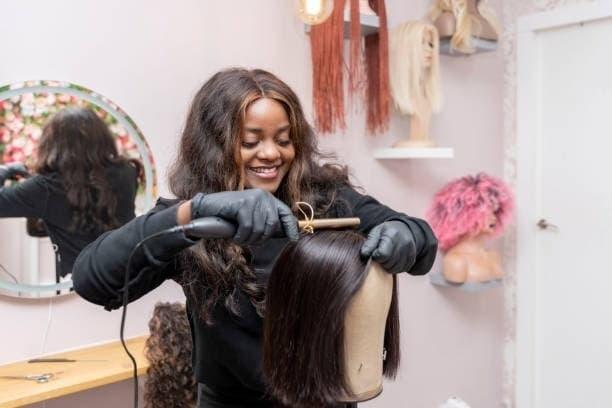
Below is a practical workflow that many stylists use when a cap is not an option. These steps assume a lace-front or full-lace wig but can be adapted for other constructions.
- Clean and prep — Wash your scalp or wipe with alcohol-free toner. Ensure hair is as flat as possible. Use a light gel to smooth if needed.
- Section and flatten — For longer hair, create flat braids or twist small sections and pin them close to the scalp. Use flat pins to minimize bulk.
- Apply scalp protection — If you use adhesive, apply a thin protective skin barrier or adhesive primer. This reduces irritation and boosts tack for pressure-sensitive skin.
- Position the wig — Hold the wig at the temples and align the front lace to your natural hairline. Gently place the wig on the forehead and slide back until the front is exactly where you want it.
- Anchor with clips — If the wig has built-in combs, insert them under your natural hair or along the flat braids. If not, sew or clip on micro-combs along the perimeter for reinforcement.
- Use silicone or grip strips — A thin silicone wig strip along the hairline provides non-adhesive hold and prevents slipping. These strips are particularly effective when a cap is not present to hold the wig in place.
- Optional adhesive step — For long wear and wind resistance, use small spots of skin-safe wig glue on the nasal bridge and temples. Press the lace gently to the adhesive until secure. Always do a patch test before full use.
- Secure perimeter — Add bobby pins along the edges to keep the wig snug. Criss-cross the pins under the hairline direction for extra stability.
- Blend and trim — Customize the hairline by trimming excess lace and using thinning shears to create baby hairs. Apply a small amount of foundation or powder to the lace for color match.
- Final styling — Use heat tools or your fingers to style. Avoid heavy products right at the root to maintain adhesion and airflow.
Each step can be adapted based on the wig type, hairline preference, and duration you intend to wear the wig. For special occasions or vigorous activity, combining adhesive with mechanical anchors (pins/clips) gives the most secure result.
Alternative secure methods without adhesive
Not everyone wants to use glue or tape. Here are reliable non-adhesive options:
Wig grips and headbands
Velvet or silicone-lined wig grips are designed to hold a wig in place by friction. They sit under the wig and around the perimeter of your head, creating a non-slip surface that grips both your hair and the wig cap interior. When you skip a cap, position the grip directly against the scalp and adjust tension for comfort.
Combs and sewn-in clips
Sewing combs at strategic points (temple, nape) anchors the wig in place. Use hairpins to weave through the combs into your natural hair or flat braids. Micro-combs are less visible and work well for women with medium to long hair.
Headwraps and fashion scarves
As a style choice, headwraps and scarves can hide the wig base and add extra hold. Wraps are particularly useful when you need a quick change or want a protective, stylish look that also secures edges.
Styling and finishing tricks for a natural hairline
Blending the edge where the wig meets the skin is what sells a natural look. Techniques below help camouflage any visible edge and create soft, realistic baby hair.
Transition and tint
Use a light dusting of pressed powder or foundation that matches your skin tone along the lace edge. This reduces the appearance of the lace and helps it disappear into your skin. For darker or lighter complexions, select a finely milled product to avoid cakey buildup.
Create baby hairs
Trim small sections of the wig front and lay them with styling gel to create delicate baby hairs. Softly brush them forward and blend with a toothbrush or small brush. This step masks the straight lace edge and softens the hairline.
Contour and dimension
style layers around the face to draw attention away from the edges and emphasize natural movement. Soft waves or curls often look more natural than a completely flat, straight front.
Maintenance and care when you skip the cap
Skipping a cap changes how you should care for your wig and scalp. Here are maintenance pointers to protect both your natural hair and the wig.
Daily care
- Gently remove the wig using adhesive remover if glue was used. Never pull it off quickly.
- Brush the wig starting from tips to roots to avoid knots.
- Allow adhesives to fully clear from lace before storing.
Scalp health
Without a cap, sweat and oils transfer more directly between your scalp and the wig. Wash your scalp regularly; use oil control products if needed and alternate days to let the skin breathe. If irritation occurs, discontinue adhesives and consult a dermatologist.
Wig cleaning
Wash wigs less frequently than natural hair; typically every 7-14 wears depending on product buildup. Use gentle wig shampoo and cool water. Let lace air-dry on a wig stand to maintain shape and prevent glue residue from warping the lace.
Common mistakes and how to avoid them
- Poor preparation: Not flattening hair or cleaning the scalp can cause slips. Take time to prep.
- Overusing adhesive: Too much glue makes lace stiff and can damage both wig and skin. Use just enough for the areas that need hold.
- Neglecting comfort: Tight attachments or too many pins cause headaches. Balance security with comfort by testing tension before setting out.
- Skipping patch tests: Always test new adhesives or barrier products on a small skin patch 24 hours before full use.
Advanced pro tips and variations
For active lifestyles
If you need to wear a wig during sports or performances, combine a front adhesive with a snug back strap or wig grip. Consider additional security points such as sewn-in elastics or tiny pressure-sensitive snaps that anchor to a discreet headband.
For thin or fine hair
Fine hair benefits from lightweight wigs with thin lace fronts and low-density caps. When skipping a cap, ensure extra scalp protection and use minimal adhesive only at the front to avoid undue tension on fragile hairs.
Layered security
Stylists often use a layered approach: a thin layer of silicone strip for everyday hold, micro-combs sewn to the wig, and a few discreet pins for long-term wear. This multi-point anchoring distributes tension and reduces the need for heavy adhesive.
Checklist before you step out
Use this quick checklist to make sure your look is secure and natural: hairline blended, adhesive applied correctly and removed only with remover, pins secured, wig density and part realistic, and comfort checked by moving your head and lightly shaking to confirm hold.
Troubleshooting & expert fixes
If the wig slips during wear: check tension of anchors and add a small silicone strip or extra pin at the temple. If adhesive fails: remove residual oils and reapply primer, then a thin recoat of glue. If irritation occurs: stop using products immediately and seek hypoallergenic alternatives or professional advice.
When to seek professional help
If you experience repeated slippage, persistent scalp irritation, or you need a highly customized hairline or styling for performance work, consult a wig specialist. Stylists can sew-in custom combs, reconfigure cap construction for no-cap wear, or create bespoke lacefront adjustments tailored to your head shape.
Every head and wig is different — be patient and allow time to test methods that work best for you. The blend of mechanical anchors, silicone grips, and minimal adhesive often delivers the best balance of natural appearance and reliable hold without a traditional wig cap.
FAQ
- Can I wear a wig without a cap every day?
- Yes, but it requires careful scalp hygiene and alternating styles to prevent irritation. Use skin-friendly products and avoid continuous adhesive use; give your scalp days to recover.
- Will skipping the cap damage my natural hair?
- Not necessarily. The risk depends on how you secure the wig and how well you flatten and protect your hair. Avoid excessive tension and use gentle methods to anchor the wig.
- How long can a no-cap attachment last?
- With a combination of adhesive and mechanical anchors, a secure attachment can last from one full day to several days. Adhesive longevity varies by product and activity level.