This long-form guide explores one concise search query that many readers type into browsers: do the british still wear wigs in court? The short answer is nuanced: in many parts of the United Kingdom wigs and traditional robes remain in use, but their role has changed significantly over recent decades. This article explains where and why wigs persist, how dress codes differ across jurisdictions, and what cultural, legal and practical factors shape ongoing reform. We will also offer suggestions for further reading, practical examples from other common law systems, and considerations for anyone writing about or researching courtroom attire.
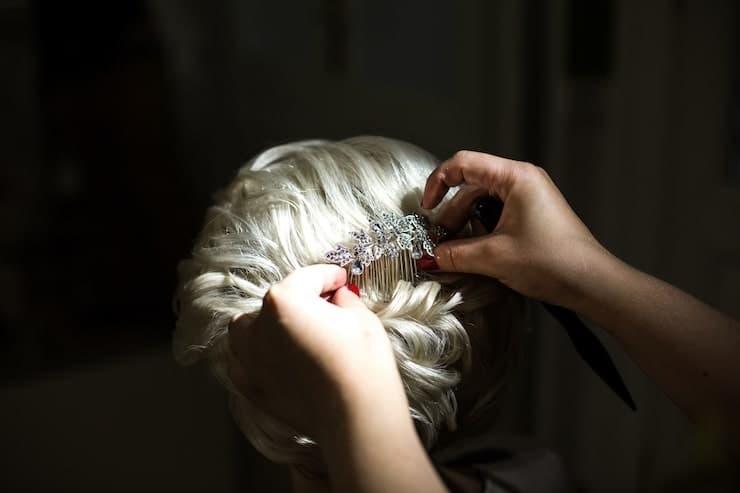
The origin of powdered wigs in English law dates back to the 17th and 18th centuries when wigs were an established symbol of social status and professional uniform. Judges and advocates adopted wigs for reasons that combined fashion, anonymity and ritual: wigs signalled authority, created a uniform professional image, and helped separate the office from the individual. Over time those functional and symbolic meanings became part of the institutional fabric of the courts.
In England and Wales, the rules governing court dress vary by level of court and by type of hearing. Historically almost all judges and advocates wore wigs and gowns; since reforms introduced in the early 2000s and consolidated in practice, usage has become more selective. For criminal trials in the Crown Court, the short horsehair wig for barristers and the judicial bench wig for judges are still commonly worn, along with robes. In contrast, since procedural revisions many civil and family hearings dispense with wigs and in some civil contexts the robe-only approach or business dress is now standard.
Across the UK the picture is not uniform. Scotland has its own legal traditions: advocates traditionally wear gowns and wigs less often than their English counterparts, and in practice Scottish court dress has always differed. Northern Ireland broadly mirrors English practice but with local variations set by judicial leadership. Crown dependencies and overseas territories often adopt a variant of British dress rules; some islands and smaller jurisdictions maintain wigs for ceremonial and higher court use.
When people ask do the british still wear wigs in court they are usually imagining the full powdered wig stereotype. The reality is that modern wigs are typically smaller and less ostentatious than historical perukes, made from horsehair and styled in standard forms for bench (judges) and bar (advocates). Wigs today are less commonly powdered, and many advocates choose not to wear them in non-criminal matters. Some solicitors who acquire higher rights of audience may wear wigs when acting as advocates in higher courts; rules differ by jurisdiction and by the type of proceeding.
There are several recognizable varieties of wigs used in court: the full-bottomed wig (historic, largely ceremonial), the bench wig (worn by judges), and the barrister's wig (shorter, curled). Each has evolved with particular symbolic meaning: full-bottomed wigs signal seniority and ceremony, bench wigs denote judicial office, and barrister wigs mark the advocate's role in litigation. Materials and maintenance are specialized: traditional wigs are made from horsehair and cared for by trained wig-makers who understand styling and cleaning.
Advocates of keeping wigs emphasize continuity, dignity and the separation of individual identity from judicial office. Proponents claim that court attire fosters formality, commands respect, and creates a consistent visual language that tells participants and observers they are in a space of law and order. For some communities and legal professionals, wigs remain a meaningful tradition that connects present practice to centuries of legal history.
Opponents of wigs argue they are archaic, alienating to litigants, and at odds with a modern, accessible justice system. Critics point out that wigs can be costly, uncomfortable, and potentially off-putting to jurors and the public. Debates also include fairness and gendered history: wigs have cultural baggage and for some undermining modern equalities standards. These critiques have driven incremental reforms in dress codes, especially in family and civil courts where personal engagement and sensitivity are important.
Many common-law jurisdictions inherited British dress traditions but adapted them differently. Examples include:
 Most states removed or reduced wig use in the later 20th century; some jurisdictions retain robes for judges and advocates for ceremonial sittings.
Wigs are specialized articles produced by a small number of craftspeople. A quality horsehair wig represents both an investment and a piece of legal paraphernalia. The cost, cleaning routines and occasional repairs are part of the logistical reality for practitioners who continue to wear them. In some jurisdictions wigs are supplied or subsidised by bar associations; in others, individual barristers manage their own wardrobes.
Court dress rules are typically set by judicial authorities, procedural rules committees, or sometimes by statute. Changes often follow consultation between judges, the bar and solicitors, and reflect shifting priorities in access to justice, public perception and the judiciary's sense of propriety. Because of that layered governance, dress reform tends to be gradual, implemented in stages rather than by abrupt decree.
The popular image of wigs can obscure the practical ways courtrooms operate. Media portrayals often exaggerate uniformity or timelessness. In reality many courts balance tradition with a desire to be less intimidating for litigants. When people ask do the british still wear wigs in court, the best answer explains the conditional nature: yes, but primarily in criminal and ceremonial contexts. The visual shorthand of wig-and-robe persists because it communicates authority to the public and supports the performative aspects of adjudication.
Modern discussions about court attire intersect with broader equality and diversity objectives. Some critics argue traditional dress codes were developed in predominantly white, male professions and that modern systems should adopt flexible standards that respect cultural or religious clothing. Court administrations have responded in different ways: some have updated rules to allow religious head coverings, others permit modifications to gowns and accessories to respect gender identity and cultural backgrounds.
Remote hearings and increased use of video have prompted new dress questions. Should judges and advocates wear robes or wigs on camera? Many courts have issued guidance asking participants to maintain professional appearance, with robes optional in remote hearings. The tension between on-screen informality and the need to communicate gravitas remains an active area of policy development.
If you plan to attend a hearing in the UK and wonder do the british still wear wigs in court, check the court's local guidance. For a Crown Court criminal trial expect to see wigs and robes; for a family or civil hearing you are less likely to encounter full wigs. When in doubt, dress respectfully and follow directions from court staff. Observers should be aware that courtroom etiquette focuses on silence, punctuality and the proper addressing of the judge, not on assessing individual attire choices.
For writers and editors addressing this topic, keep the focus on clarity and nuance. Use the keyword do the british still wear wigs in court naturally within headings and early paragraphs, and support it with related terms such as "court dress", "Crown Court", "barrister wig", "judicial robe", "legal tradition" and "court reform" to build semantic depth. Structured HTML headings (
Over the past few decades several jurisdictions have implemented pilot changes or new guidance. The most visible shifts occurred when civil and family courts began to adopt robe-only or business dress options; these changes were prompted by a desire to reduce formality that could intimidate vulnerable parties. Criminal courts largely retained wigs because of tradition and perceived usefulness in maintaining ritual and perceived impartiality.
To return to the central search phrase do the british still wear wigs in court, the best summary is: yes, in some courts and for specific roles, but not universally. Wigs survive where ritual, tradition and perceived authority remain priorities, especially in criminal and ceremonial contexts. Elsewhere, practical reforms have pared back compulsory wig-wearing to reflect modern priorities of access to justice, comfort, and inclusivity.
Researchers wanting to dive deeper should consult official court websites for dress codes, scholarly articles on legal rituals, and comparative law studies examining how former British colonies adapted or abandoned wig traditions. Legal history texts provide rich context on how wigs and robes became symbols of legal personhood and why reform debates often carry symbolic as well as practical weight.
Tip: If you are covering this topic online, mix factual reporting with visual examples (photographs from open hearings, diagrams of wig types) and link to primary sources such as judicial guidance to boost trust signals.
Wig-wearing in British courts is an evolving practice rather than a static rule. When answering or optimizing for the query do the british still wear wigs in court, emphasize conditional usage, historical roots, jurisdictional diversity, and the practical factors influencing change. That balanced approach serves both readers and search engines seeking precise, authoritative, and contemporary information.