Powdered wigs were more than a visual affectation; they were a complex cultural phenomenon that entwined fashion, social signaling, hygiene practices, and aesthetic ideals. This article explores why powdered wigs were worn, how they influenced 18th-century dress codes, and the cultural and practical logic that sustained the practice for decades. The keyword why were powdered wigs worn appears throughout this analysis to aid discoverability and to ensure the content stays focused on the core question.
The practice of wearing and powdering wigs rose to prominence in the late 17th and early 18th centuries. Several converging factors explain this trend: status signaling, practical responses to public health issues, and trends originating from royal and court fashion. When exploring why were powdered wigs worn, it's important to separate myth from social reality: wigs were not merely decorative—they were a versatile response to changing tastes and requirements of polite society.
Fashion often trickles down from the court. When monarchs and high-ranking nobles adopted particular silhouettes or accessories, courtiers and aspirants followed suit to display proximity to power. Powdered hair and wigs, introduced into mainstream elite style by influential figures, functioned as visible marks of status. Thus the elite adoption drove broader demand for wigs among professionals, military officers, and wealthy merchants.
One practical reason for the adoption of wigs was to conceal hair loss and scalp problems, which were common due to disease, poor nutrition, or the prevalence of lice. The question why were powdered wigs worn has a hygienic component: shaving the head and wearing a wig reduced lice infestation and allowed infrequent laundering. Powder—made from starches, flour, or scented mixtures—helped to mask odors and absorb oils, creating a perceived improvement in cleanliness even when the underlying hygiene was limited by period practices.
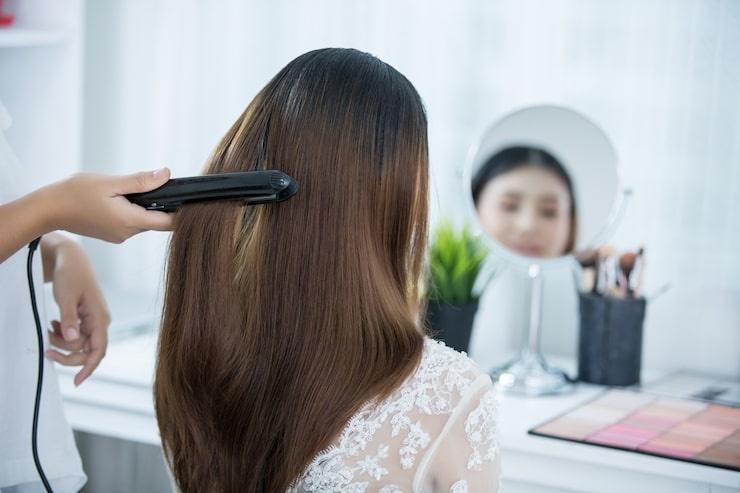
Wigs were crafted from human hair, horsehair, or wool; the finishing touches involved carefully applying powders that could be white, off-white, or tinted. The powders often included fragrances such as lavender or orange flower to counteract odors. Hairdressers and wigmakers developed specialized techniques: setting the hair on blocks, sizing, curling, and finally dusting with powder. This ritualized process made wig-wearing a semi-public performance tied to social ritual.
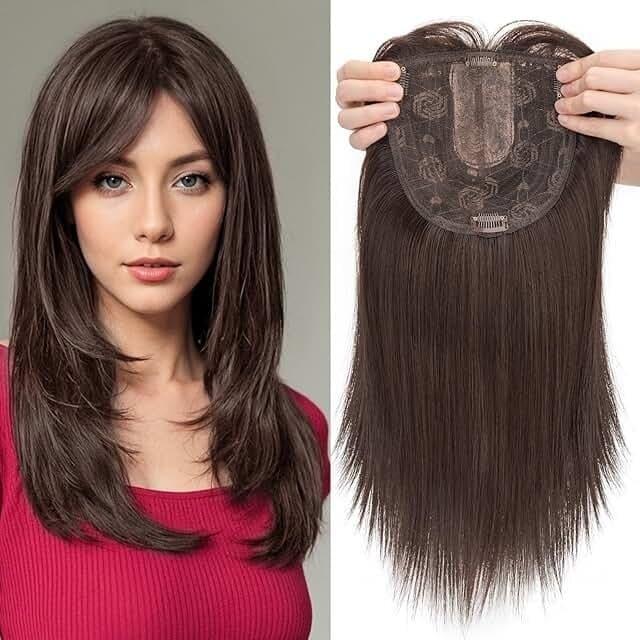
Throughout the 18th century, wig shapes changed in response to fashions. Full-bottomed, cascading styles of the early period gave way to simpler, more restrained perukes and queues for daywear. Military and professional contexts favored particular shapes—queues for officers, poufs and high styles for court. These shifting silhouettes contributed to how fashions for coats, hats, and neckwear evolved in parallel, underscoring the integrative role wigs played in male and female dress.
Beyond sanitation and convenience, wigs and their powdering operated as semiotic objects. They communicated age, class, profession, and respectability. A powdered wig could signify official capacity (judges, lawyers, and magistrates), or could mark one as a person of leisure who could afford maintenance and custom. In cities and colonies, wigs played into visual hierarchies that helped maintain social order—making the question why were powdered wigs worn as much about symbolism as utility.
Wig culture also intersected with gendered expectations and imperial power. Elite European styles were exported to colonies and adapted or resisted according to local customs and power relationships. For women, hairpieces and powdering were part of a larger set of cosmetic practices that reinforced ideals of refinement and femininity. For men, a powdered head signaled civic dignity and professional identity.
The demand for wigs influenced other elements of dress. Hats were designed to accommodate tall styles or to be removable for indoor settings; collars and neckcloths were fashioned to balance a powdered silhouette; makeup and fragrance industries grew to complement powdered hair. Since why were powdered wigs worn ties to visible status markers, tailors, milliners, and perfumers all adapted products to the aesthetic and social needs created by wig culture.
Wig wearing sustained entire trades—wigmakers, powder merchants, hairdressers, and traveling stylists. The costs associated with wigs (commissioned hair, maintenance, powders, starches, and fragrances) created economic barriers that reinforced class distinctions. In this way, wigs functioned as conspicuous consumption that signaled access to networks and patronage.
Although powdering was sometimes justified as hygienic, medical understanding was limited. Powder could absorb oils and conceal odor, yet it did not eliminate the causes of scalp conditions. Some medical writers advocated cleanliness and combing rather than heavy powdering. Nonetheless, in the absence of modern sanitation, shaving and wearing wigs did reduce lice transmission in certain contexts, offering a partial public-health rationale to the practice.
Wigs and powders were not without hazards. Fine powders could create dust and respiratory irritation for hairdressers and frequent wearers; scented compounds occasionally contained harmful additives. Critics in the late 18th century associated wigs with decadence or foreign affectation. Revolutionary and reform movements later linked unadorned dress with political virtue, accelerating the decline of elaborate powdering practices.
By the early 19th century, political, economic, and aesthetic shifts reduced the appeal of powdered wigs. Revolutionary ideals promoted simpler, more natural appearances and the Industrial Revolution made mass-produced clothing and new grooming habits more accessible. Nevertheless, the visual language of wigs persisted in professional dress: court wigs, clerical hairpieces, and theatrical costuming kept vestiges of 18th-century taste alive.

Elements of wig culture survive today in ceremonial garments and legal dress in some jurisdictions. The continued presence of judicial wigs in certain legal systems is a reminder of how sartorial markers can bind modern institutions to historical forms of authority. When people ask why were powdered wigs worn today, part of the answer is that they established enduring conventions for how public office and dignity are performed visually.
For students, curators, and enthusiasts seeking to interpret period portraits or records, note these guidelines: consider the sitter's rank, profession, and the portrait's intended audience; examine wig shape and powdering level as indicators of fashion moment; and cross-reference inventories and tailors' bills for economic evidence of wig use. Understanding why were powdered wigs worn requires attention to both material culture and symbolic language.
Primary sources—letters, tailors’ accounts, guild records, and newspapers—reveal how contemporaries discussed wigs. Secondary literature in social history, fashion studies, and medical history provides interpretive frameworks for the phenomenon. Museum collections with documented provenance are excellent places to study wig construction and materials.
In sum, powdered wigs were worn for intertwined reasons: to signal rank and taste, to cope with health and hygiene realities, and to participate in a broader aesthetic economy that shaped dress, grooming, and material culture. The question why were powdered wigs worn opens pathways into understanding how fashion operates as both practical adaptation and symbolic communication. Powdered wigs left a durable imprint on 18th-century life—affecting professional identity, consumer markets, and even public health debates—and their legacy continues to inform how we read historical appearances.
This article has been optimized to include and emphasize the search phrase why were powdered wigs worn in headings and body copy to support search visibility while remaining informative for readers interested in cultural history, fashion, and hygiene practices of the 18th century.
