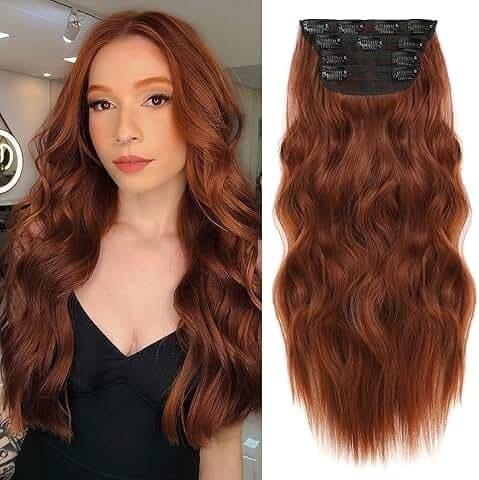
If you've ever wondered "how to straighten synthetic wig" and achieve a sleek, natural finish without damaging fibers, this comprehensive, SEO-focused guide walks you through both heat and no-heat approaches step by step. Whether you're styling a short bob or long lace-front synthetic hair, mastering the correct prep, tools, and techniques will make a major difference. Below you'll find clear sections, detailed procedures, troubleshooting tips, and long-term care advice designed to keep synthetic hair looking smooth, shiny, and realistic.
Before attempting to alter the texture of a synthetic wig, keep in mind these fundamentals: synthetic fibers are manufactured to resist heat (most are heat-friendly only up to certain temperatures), they can melt or frizz under excessive direct heat, and many styling changes are reversible only with careful care. Always read the manufacturer’s label. If the tag or packaging mentions "heat resistant" or "heat friendly," you can use heat tools at recommended temperatures. If not, prioritize no-heat methods.
Good results start with preparation. Proper cleansing, detangling, and securing the wig on a stand ensures consistent outcomes and prevents further damage. A well-prepped wig also responds more predictably to straightening, whether using a flat iron or a saturation-and-brush method.
When the label allows heat, follow these professional steps carefully to minimize damage and maximize smoothness.
Set your flat iron to the lowest effective temperature. For heat-friendly synthetic wigs, temperatures between 250°F and 300°F (120°C–150°C) are often sufficient. If you're unsure, start at the lowest setting and test on a hidden inner section.
Spritz a light layer of heat protectant formulated for synthetic fibers across each section. Do not saturate—less is more. Divide the wig into thin layers using clips; smaller sections provide more control and better results.
Clamp the flat iron briefly over a small section and glide slowly toward the ends. Avoid holding the iron in one place for more than 1–2 seconds. Repeat if necessary, but always use the fewest passes possible to reduce cumulative heat exposure.
After straightening, seal the style with a small amount of synthetic-safe smoothing serum or sheen spray. Apply sparingly—too much product will weigh the hair and make it look unnatural.
No-heat methods are essential for non-heat-resistant synthetics or when you prefer gentler care. These approaches can take longer but often give surprisingly natural, long-lasting results.
Tension straightening relies on steady pulling while the wig is damp to encourage fibers to relax in a straight pattern. Secure wig on a stand, hold a section taut and brush downward repeatedly until dry. This method is slower but avoids heat completely and is excellent for synthetic wigs that tolerate moisture.
There are specialized straightening brushes with teeth and controlled friction that smooth fibers without heat. Pair these with a small amount of synthetic-safe serum for best results.
| Aspect | Heat Method | No-Heat Method |
|---|---|---|
| Speed | Fast—minutes | Slow—hours to overnight |
| Damage risk | Higher if misused | Low |
| Natural finish | Sleek, sometimes too uniform | Soft, natural movement |
| Longevity | Short-term; reverts in humidity | Medium; lasts until next wash |
Surface frizz often comes from over-drying or too much product. Use a minimal amount of silicone-free smoothing serum and brush gently. For heat methods, lower the temperature and make only one pass per section next time.
If fibers become sticky or melted, stop all heat immediately. Trim the damaged ends if localized; otherwise consider replacing the wig if damage is extensive. Always test heat on a concealed area first.
Uneven results usually stem from working on sections that are too thick or inconsistent heat distribution. Work in smaller sections and use multiple thin passes at lower temperatures.
Experienced stylists prioritize movement and texture over a completely glass-like look. Slight bends near ends, subtle layering, and a light shine usually read as more natural than an overly flat, reflective surface. Consider a leave-in conditioner that adds texture while maintaining straightness to achieve this balance.
Deciding between heat and no-heat comes down to three factors: the wig’s fiber type, your patience level, and how often you plan to restyle. If the wig is labeled heat-resistant and you need a quick transformation, the controlled heat method is appropriate. If the wig is not heat-friendly or you want to preserve longevity, no-heat techniques are recommended, accepting the longer setting time.
Confirm that the wig is cool to the touch, that no sections have been overheated, and that the hairline and part look natural. Do a final comb-through with a soft brush and a touch of styling product, then set the wig on a stand to settle before wearing.
In summary, whether you choose heat or no-heat methods, always prioritize fiber health: read care labels, test tools on hidden sections, use sectioning and the fewest passes possible, and rely on specially formulated products for synthetic hair. By following these steps for preparation, controlled styling, and maintenance, you can achieve beautifully straight, natural-looking synthetic hair that lasts longer and looks more realistic.
Look for flat irons with adjustable temperature dials, silicone-free smoothing serums made for synthetics, wig shampoos that preserve synthetic integrity, and breathable wig stands. Consider community forums and wig-care blogs for product reviews tailored to your fiber type.
Straightening a synthetic wig successfully comes down to knowledge and technique: understanding fiber limits, choosing the appropriate method, and committing to consistent care. Whether you repeat the phrase how to straighten synthetic wig as a search query or follow this full routine step by step, you’ll be better equipped to produce smooth, natural results without unnecessary damage.
No. Only use flat irons on heat-resistant synthetic wigs and always test on a small hidden section first. If in doubt, use no-heat methods.
It depends on the method: heat-straightened looks can revert in high humidity and after washing, often lasting a few days to a week between touch-ups; no-heat methods like wrapping can last until the next wash.
Wash sparingly—every 6–10 wears is common, but frequency depends on product buildup and exposure. Use synthetic-specific shampoos and conditioners.
If you'd like targeted guidance for a particular type of synthetic fiber or a step tailored to your wig cap and style, mention your wig type and the look you want and we can refine the process further.