what is wig density and why it matters A practical guide to choosing the perfect fullness for a natural looking wig
Time:2025-11-28 Click:
Understanding Fullness: A Practical Overview of what is wig density and Why It Matters
When people ask what is wig density, they are usually trying to understand a key characteristic that determines how full or thin a wig will look. In plain terms, wig density refers to the amount of hair attached to a wig cap compared to a reference or "standard" amount. This concept influences appearance, weight, movement, and styling options, and it is a central consideration when choosing a wig that looks natural and suits your lifestyle.
What the term means in practice
To answer what is wig density in a practical way: imagine two wigs with identical cap size, same length, and same hair type. The wig with more hair per square inch — the one that looks fuller and feels heavier — has higher density. Density is often described as a percentage (for example, 100%, 130%, 150%) or in qualitative terms (light, medium, full, extra full). When you know how brands or vendors define density, you can compare options and predict how the wig will look once worn.
How manufacturers describe density: percentages and descriptors
Commonly, sellers will use either numeric percentages or descriptive labels to communicate density. Typical ranges you will see:
Sheer/light (40%–60%): minimal coverage, often used for a scalp-favorite, thin or delicate look.
Natural/regular (100%): designed to mimic typical human hair volume; this is the baseline reference many manufacturers use.
Medium/Filled (130%): slightly fuller than natural, good for soft, noticeable volume without looking theatrical.
Full (150%): visibly thick and voluminous; popular for layered cuts, styles with lots of bounce, and glam looks.
Extra full (180%–200%+): dramatic fullness, best for statement styles, deep curls, or heavy layering.
Why exact numbers vary
Because there is no single global standard across all wig makers, a "100%" from one brand may feel slightly thinner or thicker than another brand's "100%." Also, hair texture (straight vs curly) affects perceived volume: curly fibers create more apparent fullness than straight fibers at the same density. For this reason, relying on photos, videos, and detailed descriptions matters when you evaluate density.
Visual cues: How density affects realism
Knowing what is wig density helps you predict how natural a wig will appear. Too little density and the scalp might show unnaturally through the hair, particularly around part lines or crown areas. Too much density and the hairline or perimeter may look bulky, causing an unnatural silhouette. A well-chosen density creates a balanced look where the part, hairline, and hair movement mimic natural growth patterns.
Cap construction and density: the connection
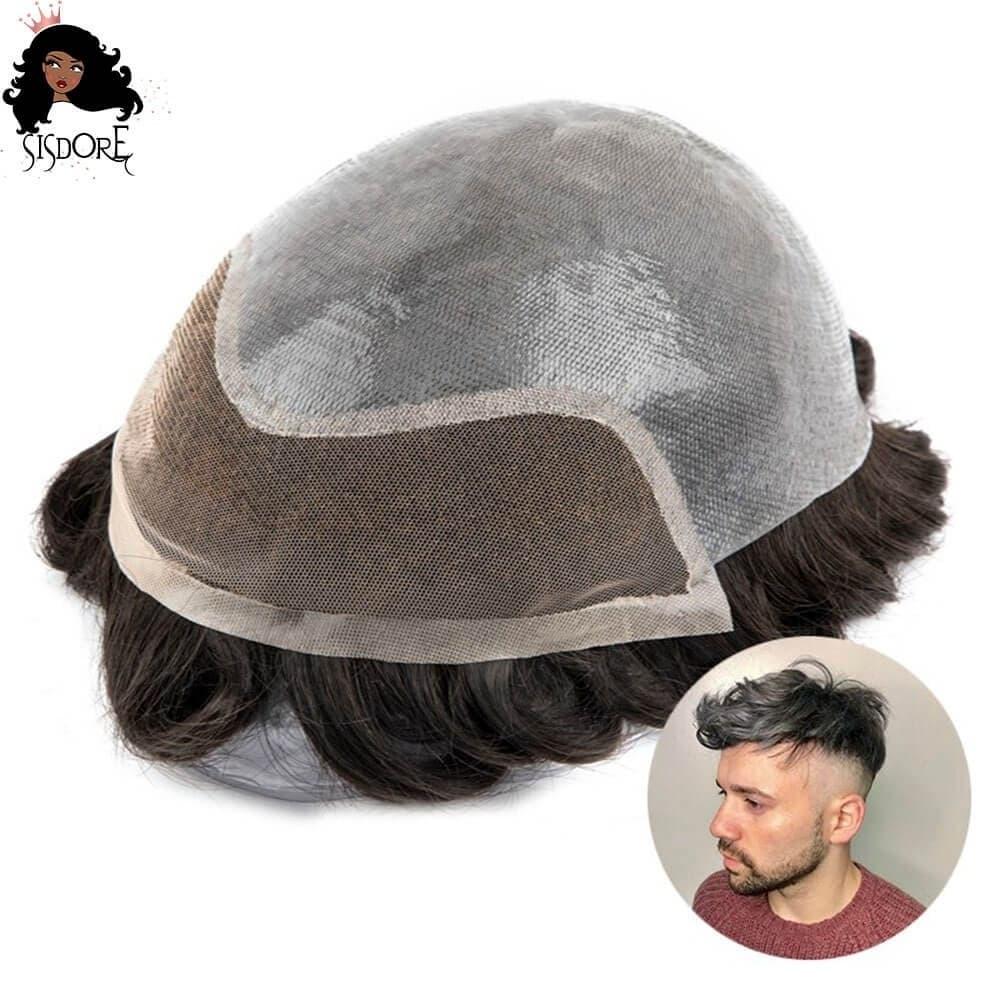
Density cannot be looked at in isolation; cap type and lace plays a major role. Lace fronts with hand-tied knots allow for realistic parting even with medium densities, while wefted caps may require higher density to avoid visible mesh. Monofilament tops can simulate hair emergence from the scalp, so a lower density may still look realistic if the cap creates a convincing scalp illusion. Therefore, when thinking about what is wig density, also consider whether you are choosing lace front, full lace, monofilament, or machine-tied construction.
Choosing density for different hair lengths and styles
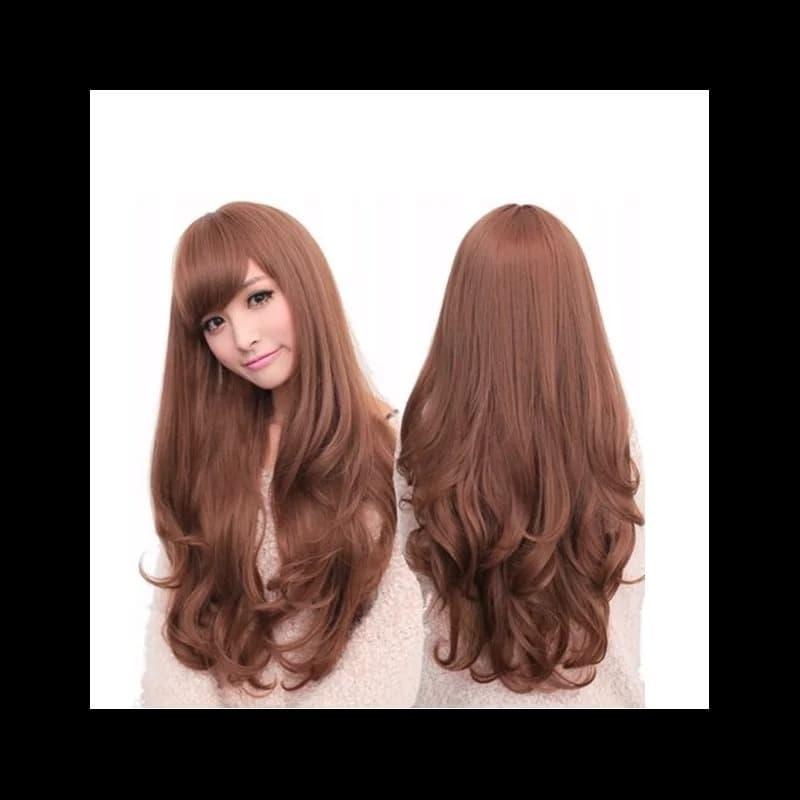
Length amplifies the visual impact of density. For shorter wigs (pixie, bob), a lower to medium density often looks natural and reduces weight. For mid-length and long wigs, medium to full densities help prevent a sparse look, especially if you plan to style with curls or waves which add volume. If your aim is long, silky straight hair that looks lifelike, consider 100% to 130% density depending on texture; if you want voluminous layered waves or big curls, aim for 150% or higher.
How to choose based on face shape and personal style
Understanding what is wig density supports intentional style choices. For instance, if you have a narrow face and prefer a softer look, moderate density with layered styles creates balance. For round faces, volume at the crown but less fullness at the sides can elongate appearance—opt for wigs where density can be redistributed. If your lifestyle demands lightweight, low-maintenance options (for example, everyday wear or an active schedule), lower densities reduce weight and drying time.
Consider your natural hair (if any) and scalp visibility
If you are blending a wig with your own hair, consider how dense your natural hair is. Matching density helps create a cohesive silhouette. Also, scalp visibility matters: if you want a natural-looking part and scalp show through, choose lace tops or monofilament with appropriate density. If you would like less scalp visibility for full coverage, choose a higher density combined with a cap that conceals the base effectively.
Material differences: synthetic vs human hair
Density perceptions differ between synthetic fibers and human hair. Synthetic fibers can hold volume well, often requiring slightly lower density to achieve the same perceived fullness as human hair. Human hair tends to lie flatter and may need higher densities to achieve the same visual bulk. When asking what is wig density, specify the material so you can compare like-for-like.
Practical measurement and testing before purchase
While brands provide numerical density guides, you can take practical steps: request close-up photos of the hairline, ask for video showing movement, and if buying in-store, try various densities to see how they look under natural light. Use these checkpoints to answer your own question of what is wig density for the particular wig construction and styling you want.
Budget and durability trade-offs
Higher density often increases cost because more hair or fiber is used and the wig can weigh more. Additionally, dense wigs may take longer to dry and require more care and product, which affects long-term maintenance costs. If you have budget or time constraints, a medium density with a realistic cap may be the best compromise between appearance and practicality.
Maintenance considerations tied to density
Density influences care routines. Dense wigs collect product and oils faster, need more thorough detangling, and can be heavier on wig caps which may shorten cap longevity if not properly cared for. Conversely, low-density wigs are easier to manage but may require frequent adjustments to maintain a natural look. Your choice answers both what is wig density and how it will affect daily wear.
Common misconceptions
Several myths surround density. One is "higher density always looks better." In truth, higher density can look unnatural if the hairline, part, and cap don't blend realistically. Another misconception is that "one density fits all faces"—face shape, style goals, and hair texture all influence the ideal choice. Educated buyers learn to combine density with cap type and styling technique rather than picking density as the sole deciding factor.
How to talk to sellers about density
When communicating with a seller or stylist, use concrete language: ask for the percentage or descriptive label, request photos/videos with the wig worn and styled, ask what cap type is used, and specify the fiber type. Asking explicitly "what is wig density for this model?" helps reveal how that seller defines their baseline and supports a confident purchase.
Checklist for selecting an ideal density
Use this short checklist to guide selection:
Decide the desired final look: natural, full, or dramatic.
Consider length and texture—long straight hair may need more density to avoid looking sparse.
Match density to cap type—monofilament and lace tops can create realism at lower densities.
Review photos and videos showing the parting, hairline, and movement.
Factor in maintenance, weight, and budget.
If unsure, start with a medium density (around 100%–130%) and customize through thinning or professional adjustments.
Real-life examples and recommendations
Example scenarios to make the concept of what is wig density concrete:
If you want a daily wig that passes as undetectable in bright light, choose 100%–130% with a lace front or monofilament top.
If you're aiming for glossy, runway-ready curls, pick 150%–180% to keep curls full and lively.
For short, chic cuts, 80%–100% often looks polished and light.
For theatrical or period styles demanding heavy volume, densities above 180% can be appropriate.
DIY adjustments: How to modify density after purchase
Not satisfied with a wig's density? You can:
Thin excess bulk using thinning shears or seek a professional stylist for controlled thinning near the hairline and crown.
Add wefts or additional hair to increase density—this is easier with human-hair wigs and requires a skilled technician.
Change styling techniques (e.g., adding waves or teasing strategically) to increase visual volume without changing the wig’s actual density.
Final thoughts on balancing realism and style
Answering what is wig density is more than a technical definition; it's about choosing how you want your wig to look, feel, and behave. The right density harmonizes with cap construction, hair length, texture, and your personal aesthetic, creating an outcome that looks effortless and natural. Investing time to understand density, request clear images, and consider professional customization will help you get a wig that feels like it was made for you.
FAQ
Q: How do I know if a wig's density is too high?
A: Signs include an overly thick hairline, a heavy feel, unnatural silhouette, or difficulty creating realistic parting. If the top looks bulky or the hairline doesn't blend, consider thinning or choosing a lower density next time.
Q: Can I change a wig's density at home?
A: Minor thinning is possible with thinning shears, but be cautious—over-thinning can ruin density permanently. For adding density, professional interventions are recommended.
Q: Does hair type affect perceived density?
A: Yes. Curly and textured hair appears fuller at lower densities compared to straight hair. When choosing, always consider texture alongside numeric density.
Q: What density is best for natural everyday wear?
A: Many people prefer 100%–130% for an everyday, natural appearance, often combined with a lace front or monofilament top for realistic parting.